Support Coordinators & Referrers

A Clear Referral Path for the Participants You Support

Finding the right provider should not create more work for participants or the people supporting them.

Support Coordinators & Referrers

National Disability Service Provider welcomes referrals from Support Coordinators, health professionals, allied health professionals, hospitals, community organisations, families and other authorised referrers across Australia.

Tell us what the participant needs, where they are located and what support you are trying to arrange.

Our team will review the referral, identify any additional information required and discuss whether we can appropriately meet the participant's needs.

Referrals welcome Australia-wide.

Phone: 1800 896 599

Email: services@ndsprovider.com.au

Tell Us What You Need to Arrange

Tell Us What You Need to Arrange

You do not need to complete a lengthy explanation before contacting us.

Start with the key information:

  • Who the participant is
  • Where they live
  • What service is required
  • What support they need
  • When support is needed
  • Their preferred schedule
  • Relevant funding information
  • Important risks or clinical needs
  • Who should be involved in communication

We can then identify what additional information is required for the particular service.

We Welcome Referrals From a Range of Sources

We Welcome Referrals From a Range of Sources

Referrals may come from:

  • NDIS participants
  • Support Coordinators
  • Specialist Support Coordinators
  • Families
  • Carers
  • Nominees
  • Guardians
  • Advocates
  • Plan Managers
  • Allied health professionals
  • Community nurses
  • General practitioners
  • Medical specialists
  • Hospitals
  • Discharge teams
  • Social workers
  • Behaviour Support Practitioners
  • Early childhood professionals
  • Schools or education professionals where appropriate
  • Community organisations
  • Other disability providers
  • Other authorised professionals or representatives

Participant consent, authority and privacy requirements still apply.

Working Together Around Participant Goals

Working Together Around Participant Goals

Support Coordinators play an important role in helping participants understand their plans, connect with services and build confidence coordinating their supports.

When you refer a participant to NDSP, we aim to make it easy to understand:

  • Whether we provide the requested service
  • Whether the service is currently available
  • What information we require
  • Whether assessment is needed
  • What risks need to be considered
  • What workforce or professional skills are required
  • What the next steps are
  • Who to contact about the referral

With appropriate participant consent, we can communicate with you throughout the referral and commencement process.
The Person Remains at the Centre

The Person Remains at the Centre

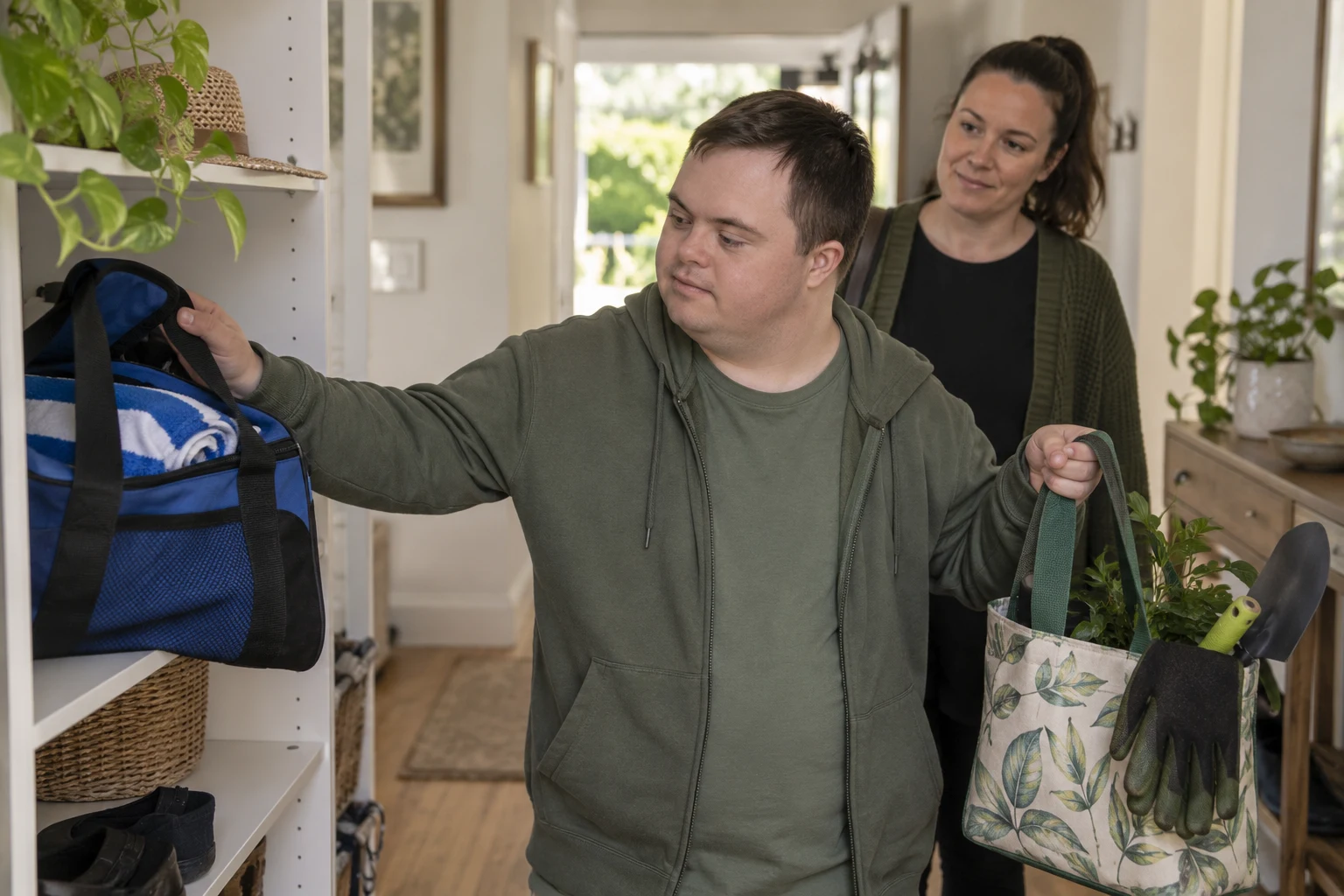
A referral may come from a professional, but the participant is still the person receiving the support.

Where appropriate, we want to understand:

  • What the participant wants
  • Their goals
  • Their preferences
  • How they communicate
  • What matters to them
  • What is currently working
  • What is not working
  • Their preferred routines
  • Who they want involved
  • Any concerns they have about the proposed service

Professional recommendations are important, but participant choice and involvement remain central.

A Broad Range of NDIS Supports

A Broad Range of NDIS Supports

Referrers can enquire about the following NDSP services:

Plan & Coordination

  • Support Coordination
  • Plan Management

Home & Daily Living

  • Supported Independent Living (SIL)
  • Daily Personal Activities
  • High Intensity Daily Personal Activities
  • Daily Tasks & Shared Living
  • Household Tasks
  • Assistive Products for Household Tasks

Health & Development

  • Community Nursing Care
  • Therapeutic Supports
  • Early Childhood Supports
  • Development of Daily Living & Life Skills

Community & Independence

  • Assistance with Life Stage & Transitions
  • Community Participation
  • Innovative Community Participation
The More Relevant the Information, the Better

The More Relevant the Information, the Better

Helpful initial referral information may include:

  • Participant name
  • Date of birth
  • Contact details
  • Address or suburb
  • Preferred communication method
  • NDIS number where relevant
  • Plan dates where relevant
  • Funding management type
  • Requested service
  • Participant goals
  • Support needs
  • Preferred days and times
  • Required support ratio
  • Desired commencement date
  • Current providers
  • Support Coordinator details
  • Relevant family or representative contacts
  • Communication requirements
  • Accessibility requirements
  • Relevant health information
  • Known risks
  • Relevant reports or plans

Not every referral requires every document.

We will let you know what is relevant to the requested service.

Share What Is Relevant

Share What Is Relevant

A participant has choice over information shared with providers.

Depending on the service, we may only need relevant information such as:

  • Funding available for the requested support
  • Applicable support category
  • Relevant goals
  • Plan dates
  • Participant details
  • Relevant support information

For some services, additional information may be needed.

We do not require unrelated information simply because a participant has an NDIS plan.

Confirming Who We Can Communicate With

Confirming Who We Can Communicate With

Before discussing private participant information, we may need to understand:

  • Whether the participant has consented to the referral
  • Who we can communicate with
  • What information may be shared
  • Whether a nominee is involved
  • Whether a guardian or other authorised decision-maker is involved
  • Whether consent has limitations
  • Whether particular information should only be shared with certain people

Consent can be specific.

We do not assume that every person involved in a participant's life has authority to access all information.

Requirements Depend on the Service

Requirements Depend on the Service

For some referrals, we may request relevant documents such as:

  • Functional assessments
  • Allied health reports
  • Nursing assessments
  • Hospital discharge summaries
  • Medication information
  • Health management plans
  • Manual handling plans
  • Mealtime management plans
  • Dysphagia plans
  • Continence plans
  • Seizure management plans
  • Behaviour support plans
  • Risk assessments
  • Assistive technology recommendations
  • Occupational therapy reports
  • Physiotherapy reports
  • Speech pathology reports
  • Relevant clinical instructions
  • Other participant-specific care plans

Only documents relevant to safe and appropriate service delivery should be requested.
Participant-Specific Information Is Essential

Participant-Specific Information Is Essential

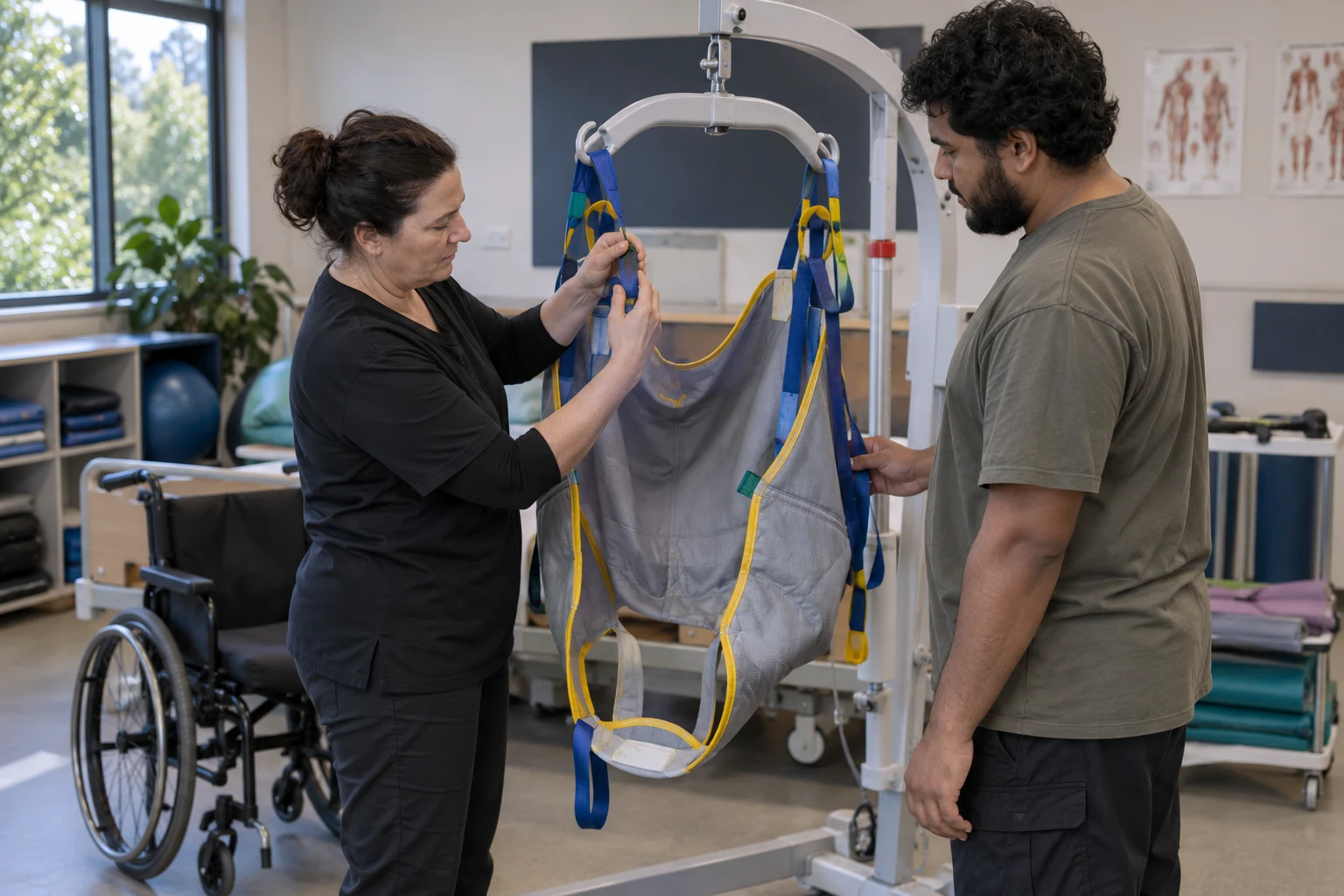
For High Intensity Daily Personal Activities, we may require additional information before confirming service commencement.

Depending on the participant's needs, this may involve:

  • Clinical assessment
  • Current participant-specific plans
  • Professional instructions
  • Required worker competencies
  • Training requirements
  • Emergency procedures
  • Equipment requirements
  • Medication information where relevant
  • Risk information
  • Escalation instructions

We need to determine whether suitably trained and competent workers are available before accepting the support.

Clinical Information Helps Us Plan the Right Care

Clinical Information Helps Us Plan the Right Care

For Community Nursing Care referrals, helpful information may include:

  • Reason for referral
  • Disability-related nursing needs
  • Diagnosis where relevant to the service
  • Current clinical status
  • Nursing tasks required
  • Frequency of care
  • Relevant clinical plans
  • Wound information where applicable
  • Continence requirements
  • Medication information where applicable
  • Treating professionals
  • Risks
  • Desired commencement timeframe

A nursing assessment may be required before ongoing services are confirmed.
Help Us Understand the Functional Goal

Help Us Understand the Functional Goal

When referring for Therapeutic Supports, please tell us:

  • Which professional discipline is being requested
  • The participant's functional goals
  • Reason for referral
  • Current challenges
  • Previous assessments
  • Current therapies
  • Relevant reports
  • Preferred service environment
  • Timeframes
  • Any reporting requirements

Availability of individual professional disciplines depends on current practitioner availability and location.

Understanding the Child in Everyday Life

Understanding the Child in Everyday Life

For Early Childhood Supports, helpful information may include:

  • Child's age
  • Developmental concerns
  • Strengths
  • Family priorities
  • Communication
  • Play
  • Social interaction
  • Daily routines
  • Mobility
  • Participation
  • Current early childhood setting
  • Existing professionals
  • Relevant assessments
  • Family goals

We aim to understand the child within their everyday environments, not only through a diagnosis.

SIL Requires Careful Matching and Planning

SIL Requires Careful Matching and Planning

SIL referrals may require more detailed assessment because the participant's support needs, home environment and staffing arrangements need to be understood.

Helpful information may include:

  • Participant goals
  • Current living arrangement
  • Desired living arrangement
  • Support needs
  • Support ratio
  • Overnight support requirements
  • Personal care requirements
  • Community access needs
  • Health and clinical needs
  • Behaviour support requirements
  • Mobility
  • Communication
  • Current roster of care where relevant
  • Relevant assessments
  • Risks
  • Location
  • Preferred commencement timeframe

A referral does not automatically mean that a suitable SIL arrangement is immediately available.

We will review both participant needs and current service capacity.

Tell Us What the Participant Wants to Achieve

Tell Us What the Participant Wants to Achieve

For supports such as:

  • Daily Personal Activities
  • Daily Tasks & Shared Living
  • Household Tasks
  • Community Participation
  • Innovative Community Participation
  • Development of Daily Living & Life Skills
  • Assistance with Life Stage & Transitions

helpful information may include:

  • Participant goals
  • Tasks requiring support
  • Skills the participant wants to develop
  • Preferred activities
  • Location
  • Schedule
  • Required support ratio
  • Worker preferences
  • Communication needs
  • Mobility
  • Transport requirements where relevant
  • Risks
  • Current level of independence

This helps us distinguish between assistance, capacity building and community participation needs.
Planning for Safe Support After Discharge

Planning for Safe Support After Discharge

We welcome enquiries from hospital and discharge teams where a participant may require disability support following discharge.

Helpful information may include:

  • Planned discharge date
  • Current health status
  • Functional status
  • Mobility
  • Medication information relevant to the support
  • Equipment
  • Nursing needs
  • Personal care needs
  • Clinical plans
  • Manual handling requirements
  • Home environment
  • Required support hours
  • Existing supports
  • New or changed risks
  • Allied health recommendations
  • Follow-up arrangements

We may need to complete our own service suitability assessment before confirming commencement.

Important: A referral should not be treated as confirmation that NDSP has accepted responsibility for post-discharge support.

Service commencement must be confirmed with our team.

Tell Us Clearly When Timing Matters

Tell Us Clearly When Timing Matters

If a referral has a time-sensitive requirement, please identify:

  • Why it is urgent
  • The required commencement date
  • What will happen if support is not arranged
  • Current interim arrangements
  • Relevant safety concerns
  • Whether the participant is in hospital
  • Whether existing support is ending
  • Whether essential supports are at risk of interruption

We will consider urgency when reviewing the referral.

However, we will not commence a service until we are satisfied that appropriate and safe arrangements can be made.

For immediate or life-threatening emergencies, call 000.

Complex Does Not Mean Automatic Rejection

Complex Does Not Mean Automatic Rejection

Some participants have multiple services, risks and professionals involved.

Complexity may relate to:

  • Multiple disabilities
  • High intensity supports
  • Significant health needs
  • Behaviours of concern
  • Housing instability
  • Hospital discharge
  • Multiple providers
  • Communication barriers
  • Limited informal support
  • Significant environmental risks
  • Changing support needs
  • Complex transitions

For complex referrals, early communication is helpful.

We may arrange a more detailed discussion before determining whether we can accept the service.

Need to Discuss a Complex Referral?

Need to Discuss a Complex Referral?

Talk to our team before submitting the full referral.

Phone: 1800 896 599

Email: services@ndsprovider.com.au

Please Tell Us What We Need to Know

Please Tell Us What We Need to Know

Important risk information may relate to:

  • Falls
  • Manual handling
  • Medication
  • Allergies
  • Seizures
  • Swallowing
  • Choking
  • Complex health procedures
  • Behaviour-related risks
  • Self-injury
  • Aggression
  • Absconding or wandering
  • Community access
  • Transport
  • Home environment
  • Pets
  • Smoking
  • Equipment
  • Infection risks
  • Emergency response

Providing relevant information early helps us determine what safeguards, training or professional input may be required.

Relevant Plans and Strategies Matter

Relevant Plans and Strategies Matter

Where a participant has behaviours of concern or a Behaviour Support Plan, please tell us.

Depending on the proposed service, we may need information about:

  • Behaviour Support Practitioner
  • Current Behaviour Support Plan
  • Known triggers
  • Preventative strategies
  • Communication strategies
  • Safety considerations
  • Regulated restrictive practices where applicable
  • Staff training requirements
  • Crisis or escalation procedures
  • Reporting requirements

We need to understand whether we can appropriately implement the relevant support strategies before commencing services.

Good Matching Supports Better Outcomes

Good Matching Supports Better Outcomes

When arranging direct support, we may consider:

  • Required skills
  • Experience
  • Training
  • Qualifications
  • Participant preferences
  • Gender preference where relevant
  • Language
  • Cultural considerations
  • Communication style
  • Personality
  • Location
  • Availability
  • Support complexity

If particular matching requirements are essential, please identify them in the referral.

We cannot guarantee every preference, but understanding them early helps us assess suitability.

One Participant May Need More Than One Type of Support

One Participant May Need More Than One Type of Support

A participant may require several NDSP services.

For example:

Support Coordination

to coordinate the support environment.

Daily Personal Activities

for personal care.

Community Participation

to access the community.

Life Skills

to build independence.

Community Nursing Care

for disability-related nursing needs.

Therapeutic Supports

for functional assessment or intervention.

You can identify multiple requested services in the referral.

Each service will still need to be considered against the participant's goals, funding and support requirements.

Refer. Review. Connect. Support.

Refer. Review. Connect. Support.

A clearer pathway from referral to service commencement.

Our Referral Pathway

Step 1 - Referral Received

Step 1 - Referral Received

We receive the referral and initial information.

Step 2 - Initial Review

Step 2 - Initial Review

We check:

  • Service requested
  • Location
  • Funding information
  • Participant needs
  • Risks
  • Workforce requirements
  • Current availability
Step 3 - Additional Information

Step 3 - Additional Information

If required, we contact the relevant person for additional information or documents.

Step 4 - Participant Discussion

Step 4 - Participant Discussion

Where appropriate, we speak with the participant and/or authorised representative.

Step 5 - Assessment

Step 5 - Assessment

Some services require assessment before commencement.

Step 6 - Service Suitability Confirmed

Step 6 - Service Suitability Confirmed

We determine whether we can appropriately provide the requested service.

Step 7 - Support Arrangements

Step 7 - Support Arrangements

Service details, pricing, responsibilities and schedules are agreed.

Step 8 - Service Agreement

Step 8 - Service Agreement

Relevant arrangements are documented.

Step 9 - Worker or Professional Matching

Step 9 - Worker or Professional Matching

Where required, suitable staff are identified.

Step 10 - Service Commencement

Step 10 - Service Commencement

Support begins once all required arrangements are in place.

Please Wait for Confirmation

Please Wait for Confirmation

Submitting a referral does not automatically confirm that:

  • We have capacity
  • A worker is available
  • A practitioner is available
  • A specific commencement date is confirmed
  • The requested service is suitable
  • All clinical requirements have been met
  • All required information has been received

We will confirm service availability and commencement arrangements directly.

This is particularly important for:

  • Hospital discharge
  • High intensity supports
  • SIL
  • Community Nursing Care
  • Complex support arrangements
  • Therapeutic Supports
We Will Aim to Be Clear About Why

We Will Aim to Be Clear About Why

There may be situations where we cannot proceed.

This may occur if:

  • The requested service is outside our scope
  • We do not have appropriate workforce capacity
  • A required professional is unavailable
  • We cannot safely meet the participant's needs
  • Essential information is unavailable
  • Required competency cannot be established
  • Funding does not support the proposed arrangement
  • The requested support is more appropriately provided through another system
  • The participant chooses another provider

Where possible, we aim to communicate the reason clearly so the referrer and participant can consider alternative arrangements.
Collaboration Where the Participant Wants It

Collaboration Where the Participant Wants It

Participants may already have multiple providers.

With appropriate consent, we can work alongside:

  • Support Coordinators
  • Plan Managers
  • Allied health teams
  • Behaviour Support Practitioners
  • Nurses
  • SIL providers
  • Community access providers
  • Hospitals
  • Medical professionals
  • Early childhood professionals
  • Schools
  • Community services
  • Other NDIS providers

Our aim is to reduce unnecessary duplication and support clearer communication.

Good Information Supports Continuity

Good Information Supports Continuity

When a participant is transferring between providers, a relevant handover can be helpful.

Depending on the service, this may include:

  • Current routines
  • Communication preferences
  • Support strategies
  • Clinical information
  • Behaviour support strategies
  • Risk information
  • Equipment
  • Mobility requirements
  • Emergency procedures
  • Current goals
  • Recent changes
  • Important contacts

Handover should occur with appropriate consent and privacy considerations.

Keeping Referrers Informed Where Appropriate

Keeping Referrers Informed Where Appropriate

Where the participant has consented, ongoing communication may include relevant updates about:

  • Service commencement
  • Significant changes
  • Support issues
  • Barriers
  • Risks
  • Missed or changed services
  • Participant goals
  • Review needs
  • Professional recommendations
  • Service transitions

The level of communication should reflect the participant's preferences, consent and the role of the referrer.

Supporting Participant Choice

Supporting Participant Choice

Where we provide both Support Coordination and other NDSP services, participant choice remains important.

Participants should be supported to understand available provider options and make their own decisions about which organisations provide their supports.

Support Coordination should help participants connect with appropriate services rather than assume all supports must be delivered by the same organisation.

Two Different Roles

Two Different Roles

Support Coordination helps participants understand, organise and connect their supports.

Plan Management focuses on the financial administration of plan-managed NDIS funding, such as:

  • Provider invoices
  • Payments
  • Budget monitoring
  • Financial records
  • Statements

A participant may use both services depending on their plan and preferences.

Clear Costs Before Services Begin

Clear Costs Before Services Begin

Before support commences, relevant pricing arrangements should be clear.

Depending on the service, this may include:

  • Direct support
  • Provider travel
  • Non-face-to-face support where permitted
  • Reports
  • Assessments
  • Cancellations
  • Therapeutic services
  • Nursing services
  • Other applicable charges

Pricing will depend on the service, participant arrangements and applicable NDIS pricing requirements.

Referrers are welcome to ask us for clarification before services begin.

Helping Payments Run Smoothly

Helping Payments Run Smoothly

Where a participant is plan-managed, we can provide relevant service and invoice information required for payment processing.

Where appropriate, communication may relate to:

  • Participant details
  • Service dates
  • Support items
  • Agreed pricing
  • Invoices
  • Payment enquiries
  • Service Agreement information

Participant privacy and consent requirements continue to apply.

Referring Beyond Your Own Discipline

Referring Beyond Your Own Discipline

Allied health and health professionals may identify support needs outside their own role.

You may refer or enquire about:

  • Daily living support
  • Personal care
  • Community participation
  • Life skills
  • Nursing
  • SIL
  • High intensity support
  • Household support
  • Assistive products
  • Early childhood support
  • Therapeutic support

Providing relevant professional recommendations can help us understand the participant's needs.

However, final service arrangements must also consider participant choice, funding and NDSP service suitability.

Start the Conversation Early Where Possible

Start the Conversation Early Where Possible

Where a participant is preparing for discharge, early referral can help identify what information and arrangements will be required.

Please provide, where relevant:

  • Expected discharge date
  • Destination
  • Functional status
  • Support hours required
  • Clinical needs
  • Medication information
  • Equipment
  • Manual handling
  • Personal care
  • Nursing needs
  • Behaviour support
  • Risks
  • Existing providers
  • NDIS funding information
  • Support Coordinator details
  • Relevant discharge recommendations

We will confirm separately whether and when services can commence.

Refer Participants Across Australia

Refer Participants Across Australia

National Disability Service Provider welcomes referrals from:

  • Victoria
  • New South Wales
  • Queensland
  • South Australia
  • Western Australia
  • Tasmania
  • Australian Capital Territory
  • Northern Territory

Actual availability depends on:

  • Participant location
  • Requested service
  • Support complexity
  • Required qualifications
  • Worker availability
  • Practitioner availability
  • Schedule
  • Funding
  • Our ability to appropriately and safely meet the participant's needs

Before You Submit

Participant Details

Participant Details

  • Name
  • Date of birth
  • Contact information
  • Location
  • Preferred communication
NDIS Information

NDIS Information

  • Relevant funding information
  • Plan dates
  • Funding management
  • Relevant goals
Requested Support

Requested Support

  • Service
  • Frequency
  • Schedule
  • Support ratio
  • Start date
Support Needs

Support Needs

  • Personal care
  • Daily living
  • Community access
  • Nursing
  • Therapy
  • Clinical support
  • Capacity building
Safety

Safety

  • Known risks
  • Health requirements
  • Behaviour support
  • Emergency information
  • Worker competency needs
Existing Supports

Existing Supports

  • Support Coordinator
  • Family or authorised representatives
  • Allied health
  • Nursing
  • Other providers
Relevant Documents

Relevant Documents

  • Assessments
  • Care plans
  • Clinical plans
  • Behaviour Support Plan
  • Discharge information
  • Professional reports

You do not need every item for every referral.

Send what is relevant and our team can identify anything further that is required.

Three Ways to Start

Three Ways to Start

Online Referral

Complete the website referral form.

Email

Send relevant referral information to:

services@ndsprovider.com.au

Phone

Call:

1800 896 599

If you are unsure whether the referral is suitable, contact us first for an initial discussion.

Service Addresses

Service Addresses:

Victoria: 113/1510 Pascoe Vale, Coolaroo VIC 3048

South Australia: 97 Sir Donald Bradman Dr, Hilton SA 5033

Phone: 1800 896 599

Email: services@ndsprovider.com.au
FREQUENTLY ASKED QUESTIONS

FREQUENTLY ASKED QUESTIONS

Not necessarily.

Please provide information relevant to the requested service.

We can identify additional information required after reviewing the referral.

Yes.

You can make an initial enquiry or referral with the information currently available.

For some services, further documentation will be required before we can confirm commencement.

Yes.

Please provide the expected discharge timeframe and relevant clinical and functional information.

A referral does not guarantee that services will be available by the discharge date, so commencement must be confirmed separately.

Yes.

Tell us which services are being considered and we can review each requested support.

Yes.

However, participant consent or other authority may need to be confirmed before private information is discussed or formal service arrangements are made.

Yes.

If you are unsure about service suitability, complexity or availability, you can speak with our team before submitting the referral.

We can review complex referrals.

Whether we can accept the service will depend on the participant's needs, risks, required competencies, location and available workforce or professionals.

We can review referrals involving High Intensity Daily Personal Activities.

Participant-specific plans, clinical information, training and worker competency requirements may need to be confirmed before commencement.

We can review Supported Independent Living enquiries and referrals.

Availability depends on the participant's support needs, location, living arrangement and current service capacity.

We welcome referrals Australia-wide.

Actual service commencement depends on location, requested service, workforce or practitioner availability and our ability to safely meet participant needs.

Where the participant has given appropriate consent, we can communicate with the Support Coordinator about relevant referral and service matters.

Clearly identify the timeframe and reason for urgency when submitting the referral.

We will consider the circumstances, but we cannot confirm service commencement until we are satisfied that appropriate arrangements can be made.

Looking for Support for a Participant?

Looking for Support for a Participant?

Tell us what the participant needs and what you are trying to arrange.

Whether you are coordinating everyday support, planning a hospital discharge, looking for nursing or therapy, arranging SIL, or trying to find additional community and daily living supports, our team can review the referral and discuss the next steps.

Phone: 1800 896 599

Email: services@ndsprovider.com.au