Quality & Safety

Safe Support. Respectful Practice. Continuous Improvement.

Quality and safety are central to the way disability supports should be delivered.

Quality & Safety

At National Disability Service Provider, we aim to provide services that respect participant rights, promote dignity and choice, manage risk appropriately and support people to feel safe when receiving services.

Our approach is guided by relevant NDIS requirements, professional responsibilities and participant-centred practice.

Safe. Respectful. Accountable.

Quality support starts with listening to the person receiving it.

More Than Meeting a Minimum Standard

Quality support should be:

  • Safe
  • Respectful
  • Person-centred
  • Reliable
  • Competent
  • Transparent
  • Responsive
  • Inclusive
  • Well documented
  • Open to improvement

It should also reflect the participant's goals, preferences, communication and individual circumstances.

Quality is not a one-time activity.

It requires ongoing review, learning and improvement.
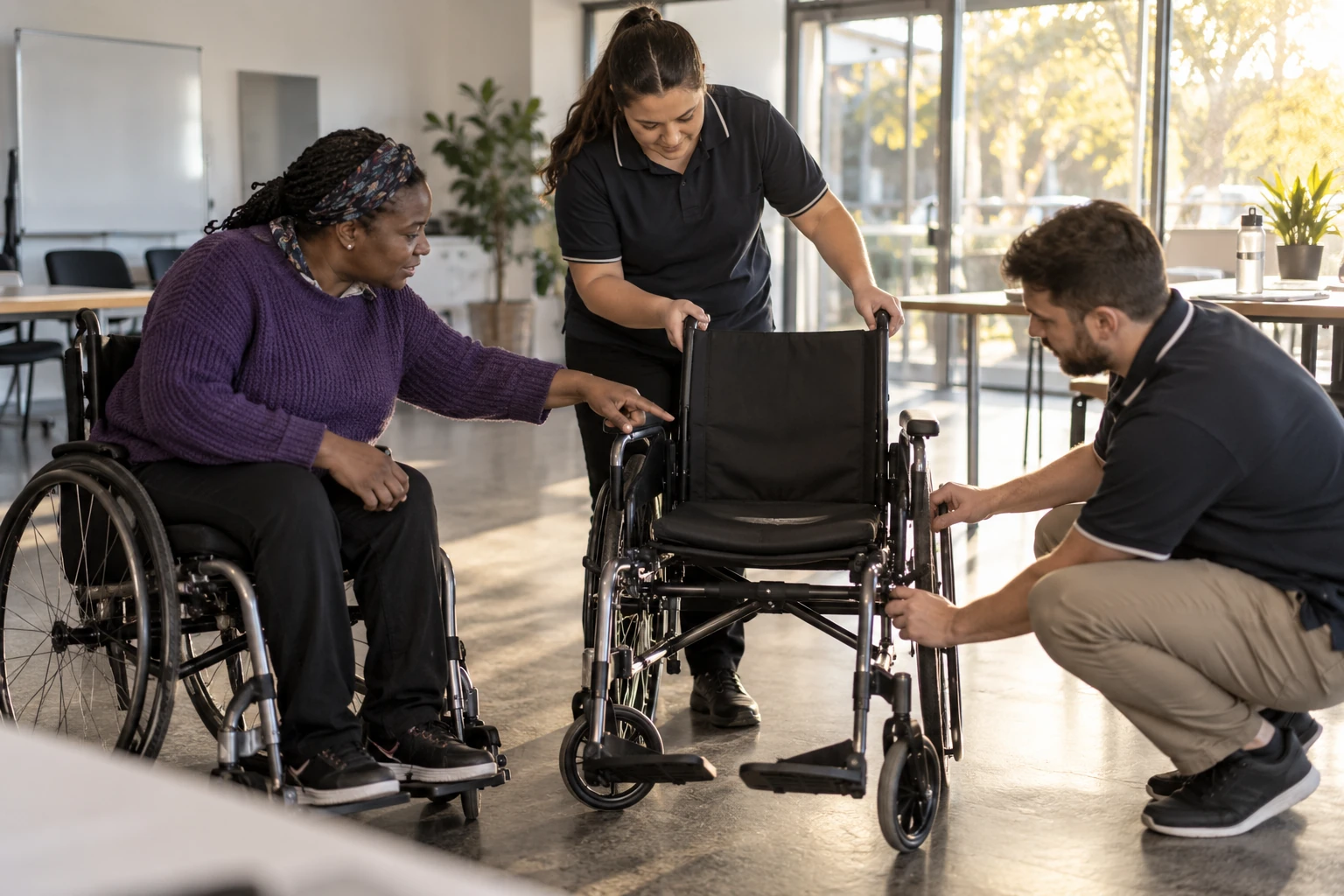
More Than Meeting a Minimum Standard
Respect, Choice and Control

Respect, Choice and Control

Participants should be treated as people with rights, preferences and individual goals.

Our approach supports:

  • Choice
  • Control
  • Dignity
  • Privacy
  • Independence
  • Self-determination
  • Communication
  • Cultural identity
  • Personal relationships
  • Participation
  • Decision-making

Support should be delivered with the participant, not simply to them.

Expectations for Safe and Ethical Support

Expectations for Safe and Ethical Support

The NDIS Code of Conduct sets expectations for providers and workers delivering NDIS supports and services.

These include responsibilities to:

  • Respect individual rights and decision-making
  • Respect participant privacy
  • Provide support safely and competently
  • Act with honesty, integrity and transparency
  • Raise and respond to quality and safety concerns
  • Help prevent violence, exploitation, neglect and abuse
  • Help prevent sexual misconduct
  • Apply fair and transparent pricing practices

These principles are reflected in our approach to service delivery.

The Right Support Requires the Right Skills

The Right Support Requires the Right Skills

Different NDIS services require different levels of worker skill, training and professional knowledge.

Before assigning support, relevant considerations may include:

  • Participant needs
  • Service type
  • Worker experience
  • Worker training
  • Professional qualifications
  • Clinical requirements
  • Participant-specific competencies
  • Risk
  • Communication requirements
  • Support environment

More complex services may require additional assessment, training or professional oversight before support begins.

Safeguarding Participants Through Appropriate Screening

Safeguarding Participants Through Appropriate Screening

Where roles are subject to NDIS worker screening requirements, appropriate worker screening clearance requirements must be met.

This may apply to workers in risk-assessed roles and relevant key personnel.

Worker screening is one part of a broader safeguarding approach and does not replace:

  • Recruitment assessment
  • Reference checking
  • Induction
  • Training
  • Supervision
  • Performance management
  • Ongoing monitoring
More Than Qualifications Alone

More Than Qualifications Alone

A worker may have qualifications but still need to be the right person for the particular role and participant.

Relevant suitability considerations may include:

  • Experience
  • Skills
  • Training
  • Communication
  • Professional conduct
  • Reliability
  • Participant preferences
  • Cultural considerations
  • Ability to follow support plans
  • Ability to recognise and escalate concerns
  • Ability to maintain professional boundaries

Where appropriate, participant preferences should be considered when matching support workers.

Helping Workers Understand Their Responsibilities

Helping Workers Understand Their Responsibilities

Workers should understand:

  • Participant rights
  • NDIS Code of Conduct
  • Privacy
  • Professional boundaries
  • Incident reporting
  • Complaints
  • Risk management
  • Emergency procedures
  • Documentation
  • Infection prevention
  • Participant-specific support requirements
  • Escalation pathways

Additional training may be required depending on the worker's role and the participant's needs.

Some Support Cannot Be Generic

Some Support Cannot Be Generic

For some participants, workers may need training specific to that person's support requirements.

This may relate to:

  • Communication
  • Mobility
  • Manual handling
  • Medication
  • Mealtime support
  • Clinical procedures
  • Behaviour support
  • Equipment
  • Emergency response
  • High intensity supports

A worker should not perform a specialised task unless relevant competency and service requirements have been addressed.

Additional Safeguards for Complex Support Needs

Additional Safeguards for Complex Support Needs

High Intensity Daily Personal Activities can involve greater risk and require additional worker competency.

Depending on the participant's needs, safe service planning may involve:

  • Participant-specific support plans
  • Clinical instructions
  • Appropriate worker training
  • Competency assessment
  • Risk assessment
  • Emergency procedures
  • Equipment
  • Professional oversight
  • Review when needs change

Service commencement depends on our ability to safely and appropriately meet the participant's requirements.

Clinical Care Requires Professional Oversight

Clinical Care Requires Professional Oversight

Where Community Nursing Care is provided, support should be delivered by appropriately qualified professionals within their scope of practice.

Clinical service planning may include:

  • Nursing assessment
  • Care plans
  • Clinical documentation
  • Participant education
  • Risk management
  • Escalation pathways
  • Communication with relevant treating professionals
  • Review of changing health needs

Clinical support should be based on the participant's individual circumstances.

Understanding Risk Without Removing Choice

Understanding Risk Without Removing Choice

Risk management should support participant safety while respecting independence and dignity.

Relevant risks may relate to:

  • Falls
  • Mobility
  • Manual handling
  • Medication
  • Allergies
  • Health conditions
  • Swallowing
  • Community access
  • Transport
  • Behaviour
  • Equipment
  • Home environment
  • Emergency situations

Risk management should not unnecessarily prevent a participant from making choices or participating in everyday life.

Choice and Safety Can Coexist

Choice and Safety Can Coexist

People make decisions involving risk every day.

People with disability should not automatically be prevented from making choices simply because some risk exists.

Where appropriate, we aim to:

  • Understand the participant's choice
  • Identify potential risks
  • Discuss possible safeguards
  • Consider professional recommendations
  • Support informed decision-making
  • Avoid unnecessary restriction

The goal is to support safety without unnecessarily removing autonomy.

When Something Goes Wrong, It Must Be Taken Seriously

When Something Goes Wrong, It Must Be Taken Seriously

An incident may involve something that:

  • Causes harm
  • Could have caused harm
  • Creates a safety concern
  • Involves inappropriate conduct
  • Indicates a service failure
  • Requires investigation or corrective action

Our incident management approach should support:

  • Immediate participant safety
  • Appropriate response
  • Recording
  • Escalation
  • Investigation where required
  • Participant involvement
  • Corrective action
  • Learning and improvement

Participants affected by an incident should be treated with dignity and kept appropriately informed.

Some Serious Incidents Have External Reporting Requirements

Some Serious Incidents Have External Reporting Requirements

Certain serious incidents, or allegations of incidents, connected with the delivery of NDIS supports may need to be reported to the NDIS Quality and Safeguards Commission.

These can include matters involving:

  • Death
  • Serious injury
  • Abuse
  • Neglect
  • Unlawful sexual or physical contact or assault
  • Sexual misconduct
  • Unauthorised restrictive practices

Internal incident management does not replace applicable external reporting requirements.

Speak Up Early

Speak Up Early

Participants, families, workers and other people involved in support should feel able to raise concerns.

A concern may relate to:

  • Unsafe support
  • Worker conduct
  • Poor practice
  • Neglect
  • Abuse
  • Privacy
  • Medication
  • Clinical care
  • Environment
  • Equipment
  • Communication
  • Service quality

Concerns should be taken seriously and escalated appropriately.

Safety Includes Protecting People From Harm

Safety Includes Protecting People From Harm

People with disability have the right to receive support free from:

  • Abuse
  • Neglect
  • Exploitation
  • Violence
  • Harassment
  • Sexual misconduct
  • Financial abuse
  • Coercion
  • Discrimination

Workers should understand their responsibility to recognise and respond to concerns.

Where there is immediate danger, emergency services should be contacted.

Support Should Focus on Understanding the Person

Support Should Focus on Understanding the Person

Where a participant has a Behaviour Support Plan, relevant workers should understand the strategies they are expected to follow.

Good behaviour support should focus on:

  • Understanding the participant
  • Communication
  • Identifying unmet needs
  • Preventative strategies
  • Positive support
  • Building skills
  • Improving quality of life
  • Reducing behaviours of concern
  • Reducing reliance on restrictive practices

Where required, we work with relevant Behaviour Support Practitioners and other professionals.

Additional Safeguards Apply

Additional Safeguards Apply

Regulated restrictive practices are subject to additional legal and NDIS requirements.

Where NDSP is involved in implementing a Behaviour Support Plan containing a regulated restrictive practice, relevant requirements may include:

  • Appropriate provider registration
  • Behaviour Support Plan requirements
  • State or territory authorisation requirements
  • Worker training
  • Documentation
  • Monitoring
  • Reporting
  • Incident obligations
  • Participant safeguards

The aim should be to reduce and eliminate the use of restrictive practices wherever possible.

Medication Support Requires Clear Arrangements

Medication Support Requires Clear Arrangements

Where medication support forms part of an agreed service, relevant considerations may include:

  • Current medication information
  • Clear instructions
  • Storage
  • Administration requirements
  • Documentation
  • Worker training
  • Escalation
  • Medication errors
  • Participant consent and involvement

The level of worker responsibility depends on the participant's support requirements and service arrangements.

Everyday Safety Matters

Everyday Safety Matters

Safe support also includes appropriate infection prevention practices.

Depending on the service, this may involve:

  • Hand hygiene
  • Personal protective equipment
  • Cleaning
  • Infection control procedures
  • Safe waste handling
  • Responding to illness
  • Following relevant health guidance
  • Participant-specific precautions

Clinical or higher-risk environments may require additional measures.

Preparing for Unexpected Events

Preparing for Unexpected Events

Participants may have individual needs that affect how they should be supported during an emergency.

Relevant planning may consider:

  • Emergency contacts
  • Communication needs
  • Mobility
  • Medication
  • Equipment
  • Health needs
  • Evacuation
  • Power-dependent equipment
  • Staffing
  • Service continuity
  • Participant-specific emergency plans

Support arrangements should consider foreseeable emergencies relevant to the participant and service.

Personal Information Should Be Respected

Personal Information Should Be Respected

Providing NDIS supports may require us to collect personal and sensitive information.

Information should be:

  • Relevant to the service
  • Collected appropriately
  • Used for appropriate purposes
  • Stored securely
  • Shared only where authorised or otherwise permitted
  • Accessed by appropriate people
  • Managed in accordance with applicable privacy and record-keeping requirements

Participants should be able to ask questions about how their information is handled.

Participants Should Know Who Is Involved

Participants Should Know Who Is Involved

Where appropriate, participants should understand:

  • What information is being requested
  • Why it is needed
  • Who it may be shared with
  • Who is authorised to communicate on their behalf
  • What decisions another person may make
  • How consent arrangements can change

Consent should not automatically be treated as unlimited permission.

Respectful Relationships Matter

Respectful Relationships Matter

Support workers may develop trusted relationships with participants, but appropriate professional boundaries remain important.
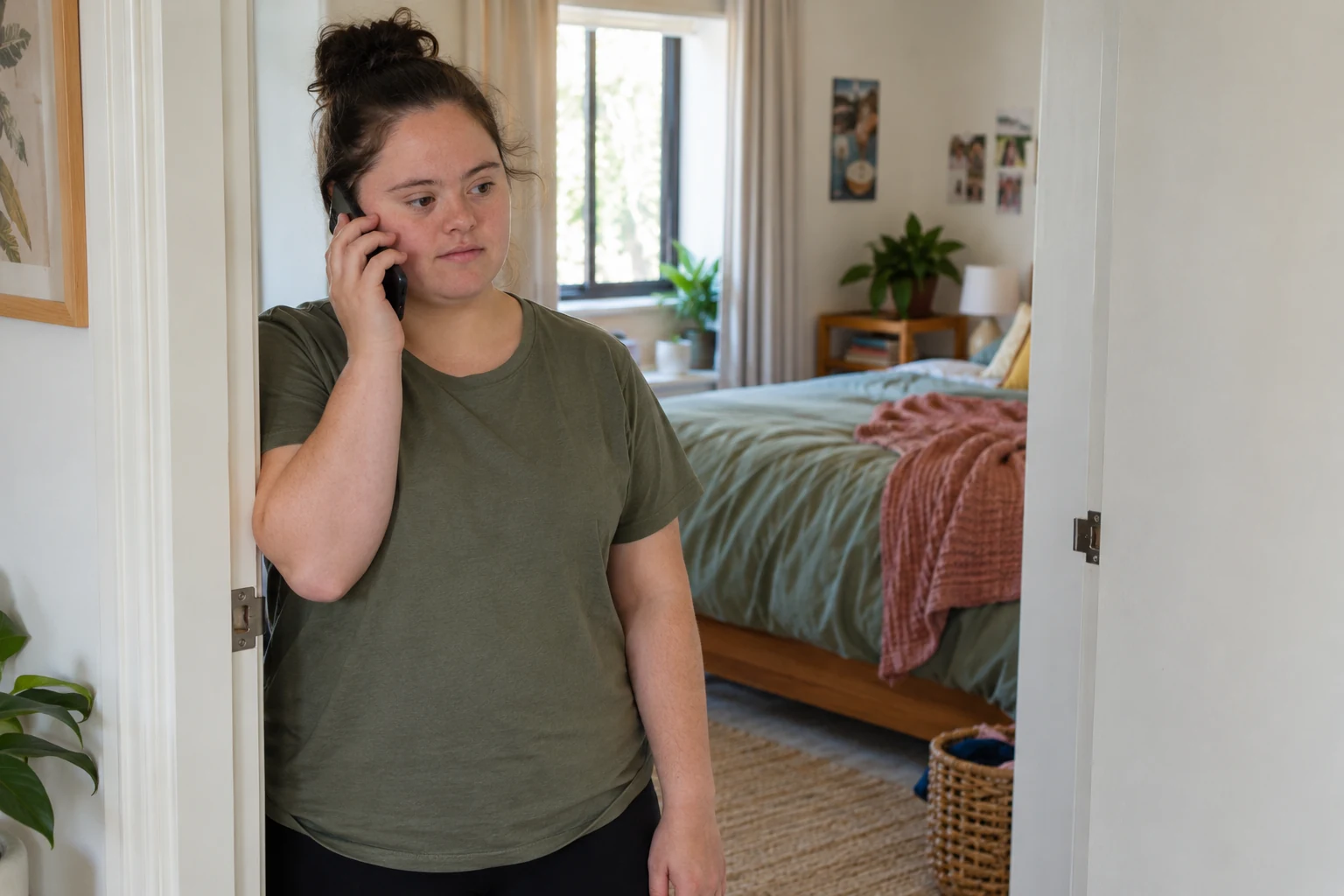
Workers should understand boundaries relating to areas such as:

  • Personal relationships
  • Money
  • Gifts
  • Social media
  • Participant property
  • Confidential information
  • Personal contact
  • Conflicts of interest
  • Decision-making

Concerns about worker boundaries should be raised promptly.
Quality Improves When People Speak Up

Quality Improves When People Speak Up

Participant feedback can help us understand:

  • What is working well
  • What needs improvement
  • Whether support feels respectful
  • Whether communication is clear
  • Whether services are reliable
  • Whether goals are being supported

Feedback can be positive, negative or simply a suggestion.

You Have the Right to Raise a Concern

You Have the Right to Raise a Concern

Participants, families, carers and other people can raise concerns about our services.

Complaints may relate to:

  • Service quality
  • Worker behaviour
  • Safety
  • Privacy
  • Communication
  • Billing
  • Reliability
  • Participant dignity
  • Support arrangements
  • Any other concern

A participant should not be threatened or disadvantaged because they raise a genuine complaint.

You Can Raise Concerns Outside NDSP

You Can Raise Concerns Outside NDSP

If someone does not feel comfortable raising a concern directly with us, or is not satisfied with the response, they may also contact the NDIS Quality and Safeguards Commission about matters within the Commission's role.

Independent advocacy may also be helpful in some circumstances.

Learning From Experience

Learning From Experience

Quality improvement may come from:

  • Participant feedback
  • Complaints
  • Incidents
  • Audits
  • Worker feedback
  • Service reviews
  • Risk reviews
  • Professional recommendations
  • Policy changes
  • Regulatory changes
  • Participant outcomes

Where an issue is identified, the important question is not only: "What happened?"

but also: "What can we change to reduce the chance of it happening again?"

Checking That Systems Work in Practice

Checking That Systems Work in Practice

Quality systems should be reviewed rather than assumed to be effective.

Depending on requirements and service type, this may include:

  • Internal review
  • File review
  • Documentation review
  • Risk review
  • Worker competency review
  • Participant feedback
  • Incident review
  • Complaints review
  • External audit
  • Corrective actions

Findings should inform improvements to practice.

If It Matters to Support, It Should Be Recorded Appropriately

If It Matters to Support, It Should Be Recorded Appropriately

Good documentation supports:

  • Continuity
  • Safety
  • Accountability
  • Communication
  • Review
  • Incident management
  • Professional decision-making
  • Participant outcomes

Documentation should be:

  • Relevant
  • Accurate
  • Timely
  • Respectful
  • Secure
  • Understandable

Records should not contain unnecessary or disrespectful information.

Support Should Reflect Current Needs

Support Should Reflect Current Needs

Where support plans or participant-specific instructions are required, they should reflect current information.

A plan may need review when:

  • Participant needs change
  • Health changes
  • Risk changes
  • Equipment changes
  • Living arrangements change
  • An incident occurs
  • Professional recommendations change
  • The participant's goals change

Workers should have access to the information they genuinely need to provide the service safely.

Collaboration Can Improve Safety

Collaboration Can Improve Safety

With appropriate consent, we may work with:

  • Nurses
  • Occupational Therapists
  • Physiotherapists
  • Speech Pathologists
  • Behaviour Support Practitioners
  • Doctors
  • Dietitians
  • Psychologists
  • Other relevant professionals

Professional recommendations can help guide safe service delivery where they relate to the participant's support.

Changes Between Services Need Planning

Changes Between Services Need Planning

Risk can increase during transitions such as:

  • Hospital discharge
  • Moving home
  • Starting SIL
  • Changing providers
  • Changing workers
  • Starting new clinical supports
  • Returning home after illness
  • Changing equipment

Where relevant, transition planning may include:

  • Handover
  • Updated assessments
  • Current plans
  • Medication information
  • Equipment
  • Worker training
  • Emergency arrangements
  • Participant preferences
Quality Should Be Judged From the Participant's Experience Too

Quality Should Be Judged From the Participant's Experience Too

A service can appear compliant on paper and still not feel right to the person receiving it.

Participants should be encouraged to tell us:

  • Whether they feel safe
  • Whether they feel respected
  • Whether workers listen
  • Whether support is helping
  • Whether they understand what is happening
  • Whether they want something changed

Participant experience is an important part of quality.

Valuable Information With Appropriate Consent

Valuable Information With Appropriate Consent

Families and carers may provide important information about:

  • Communication
  • Health
  • Daily routines
  • Behaviour
  • Risk
  • Preferences
  • Changes in circumstances

Where appropriate, this information can strengthen service planning.

The participant's rights, privacy and preferences remain central.

Support Should Respect the Whole Person

Support Should Respect the Whole Person

We aim to provide services that respect:

  • Culture
  • Language
  • Religion
  • Identity
  • Family
  • Community
  • Communication
  • Personal preferences

Participants should feel able to tell us what is important to them.

Where appropriate, this information should inform support planning and worker matching.

Participants Should Understand What They Are Paying For

Participants Should Understand What They Are Paying For

Participants should receive clear information about relevant:

  • Service prices
  • Travel
  • Cancellations
  • Reports
  • Assessments
  • Non-face-to-face activities where applicable
  • Other agreed charges

Pricing arrangements should be discussed before services begin.

Participants can ask questions if they do not understand a charge.

Tell Someone

Tell Someone

Participants should speak up if:

  • They feel unsafe
  • They are uncomfortable with a worker
  • Their privacy is not respected
  • They do not understand what is happening
  • They believe they have been treated unfairly
  • Support is not being delivered as agreed
  • They are concerned about billing
  • They believe someone has behaved inappropriately

You can contact NDSP directly or seek support from someone you trust.

Immediate Danger Requires Emergency Help

Immediate Danger Requires Emergency Help

National Disability Service Provider is not an emergency response service.

For an immediate or life-threatening emergency, call:

000

Where appropriate, participants should also have relevant participant-specific emergency plans in place.

Contact Us

Contact Us

Phone

1800 896 599

Email

services@ndsprovider.com.au

Online

Use our Feedback & Complaints page.

Support That Keeps Learning

Support That Keeps Learning

Our aim is to provide support that is:

  • Safe
  • Respectful
  • Competent
  • Participant-centred
  • Transparent
  • Responsive
  • Continuously improving

Quality and safety are not only policies.

They should be visible in the everyday experience of the person receiving support.

See Something? Say Something.

Safety concerns should be raised and acted on.

Have a Question About Quality or Safety?

Have a Question About Quality or Safety?

If you are a participant, family member, Support Coordinator or professional and would like to discuss how support is delivered, contact our team.

Phone: 1800 896 599

Email: services@ndsprovider.com.au