Development of Daily Living & Life Skills

Build Skills. Build Confidence. Build Greater Independence.

Everyday skills can make a meaningful difference to how independently and confidently you live.

Development of Daily Living & Life Skills

National Disability Service Provider provides personalised Daily Living and Life Skills support to help eligible NDIS participants develop practical abilities for everyday life, greater independence and community participation.

We work alongside you to practise real-life skills at your pace and around the goals that matter to you.

Development of Daily Living & Life Skills services available Australia-wide.

Phone: 1800 896 599

Learn. Practise. Grow.

Every new skill can be a step towards greater independence.

Practical Skills for Everyday Life

Independence means something different to everyone.

For one person, it may mean learning to prepare a meal. For another, it might mean managing a weekly routine, becoming more confident shopping independently or learning how to use community services.

Our Life Skills support focuses on practical abilities that can help you take greater control of everyday life.

Rather than simply completing tasks for you, we work with you to:

  • Learn
  • Practise
  • Build confidence
  • Develop routines
  • Make decisions
  • Solve everyday problems
  • Become more independent over time

Support is tailored to your individual abilities, interests and NDIS goals.

Practical Skills for Everyday Life
Learning Skills That Support Greater Independence

Learning Skills That Support Greater Independence

Development of Daily Living and Life Skills is a capacity-building support designed to help eligible participants develop practical abilities for everyday life.

The focus is on learning and building capacity.

Depending on your goals, this may involve developing skills relating to:

  • Personal routines
  • Household activities
  • Meal preparation
  • Shopping
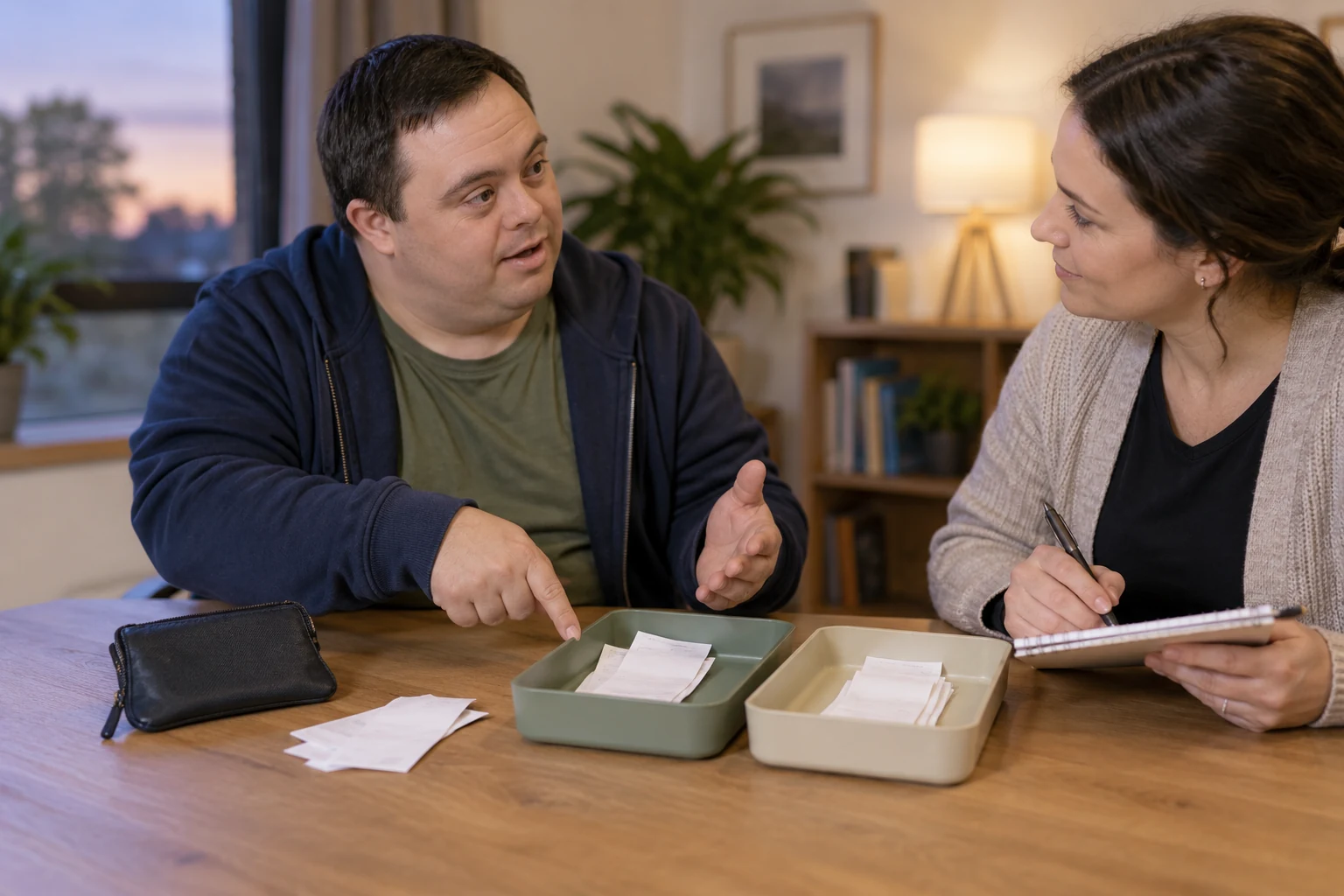
  • Money awareness
  • Personal organisation
  • Communication
  • Social interaction
  • Community access
  • Travel
  • Decision-making
  • Problem-solving
  • Time management
  • Everyday independence

Your support should focus on the skills that are useful and meaningful to you.

Life Skills Built Around Your Goals

Life Skills Built Around Your Goals

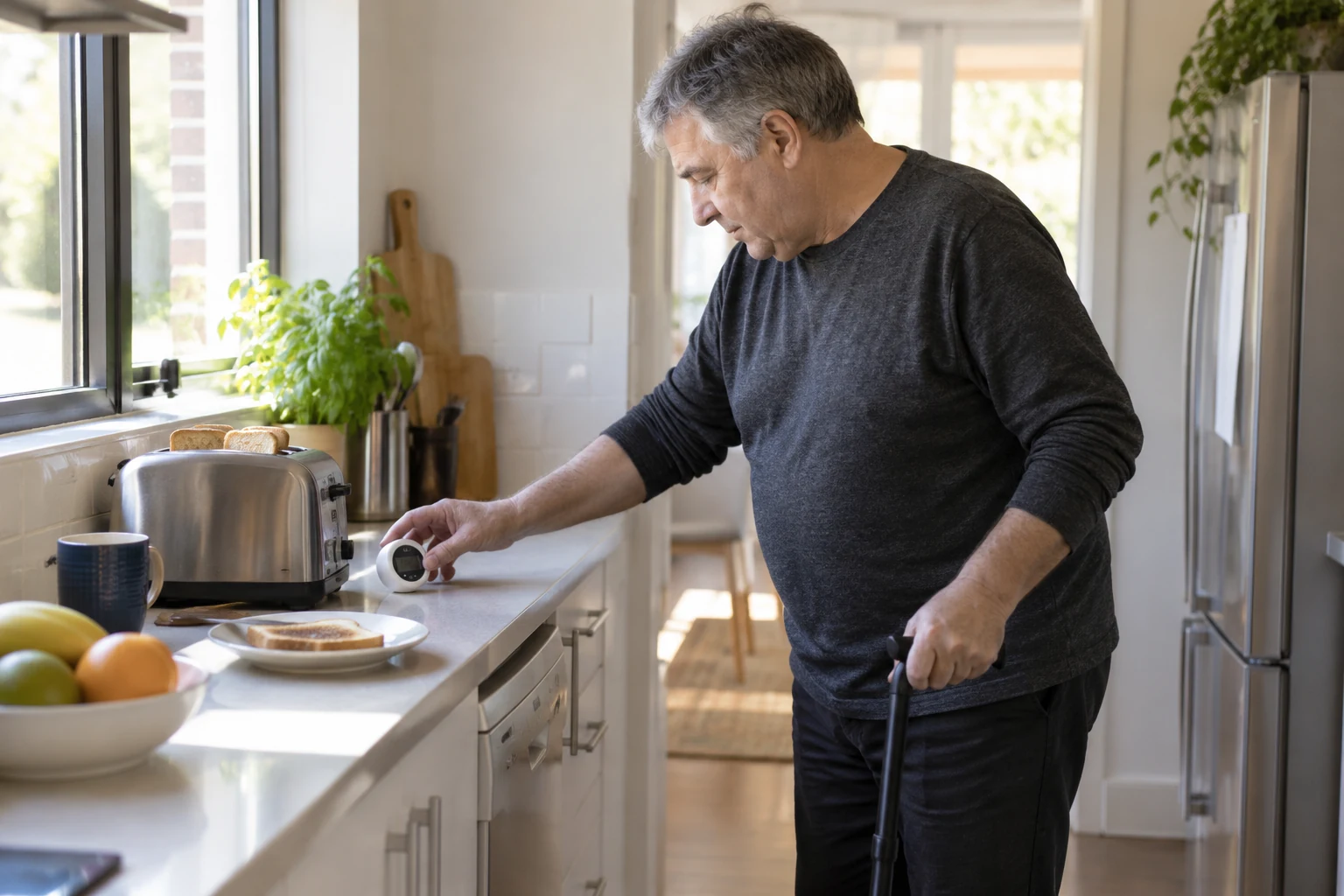
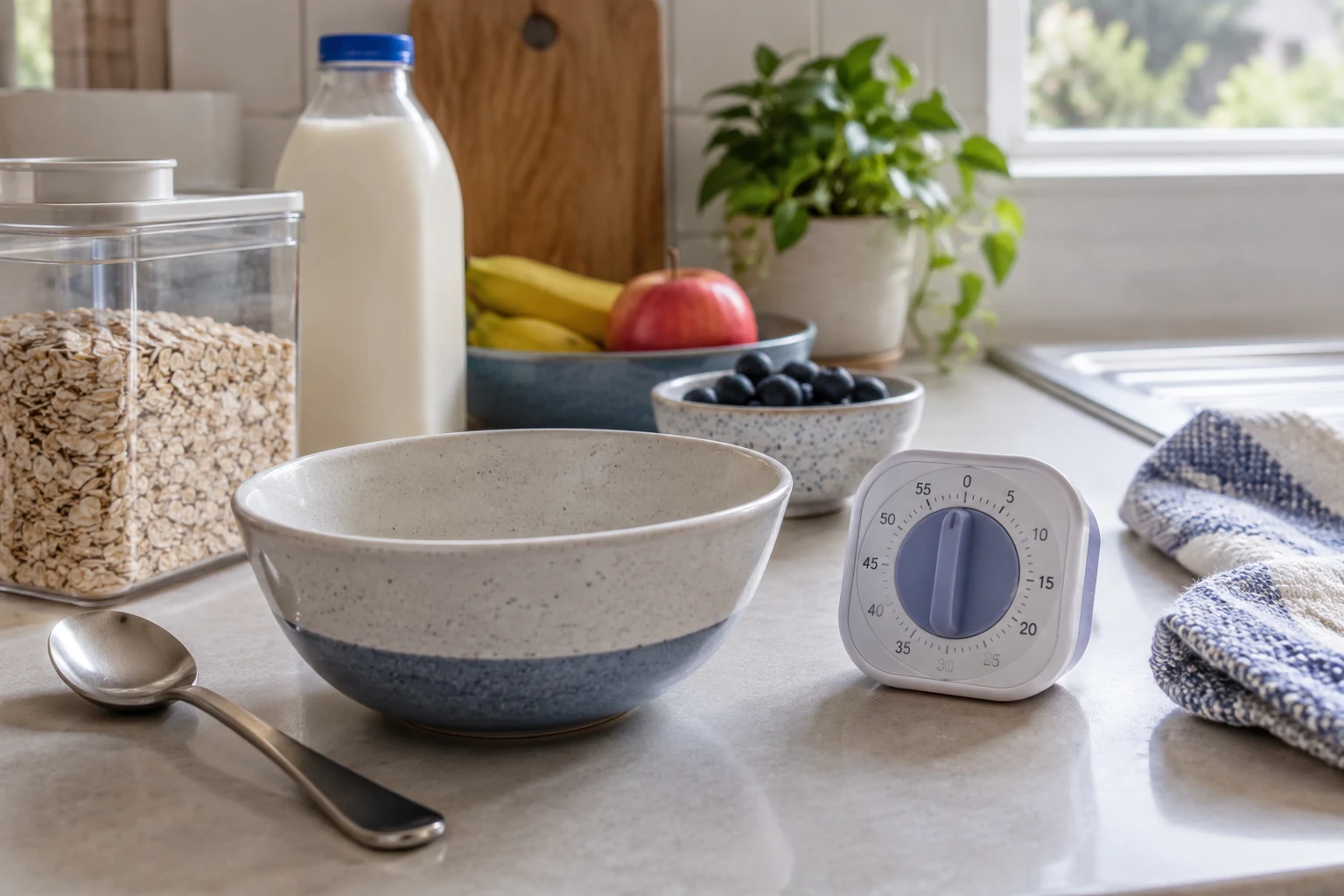
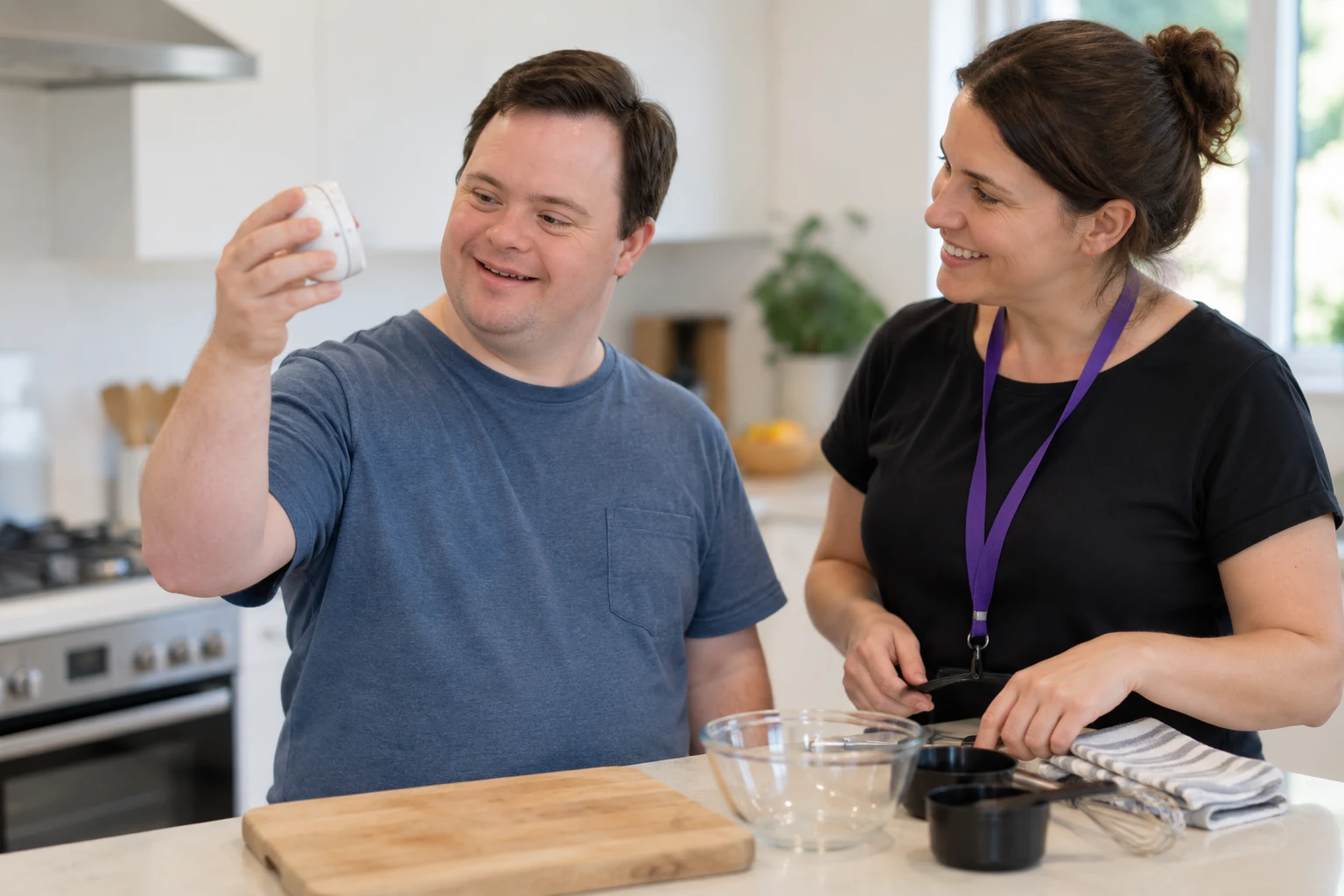
Meal Planning & Preparation

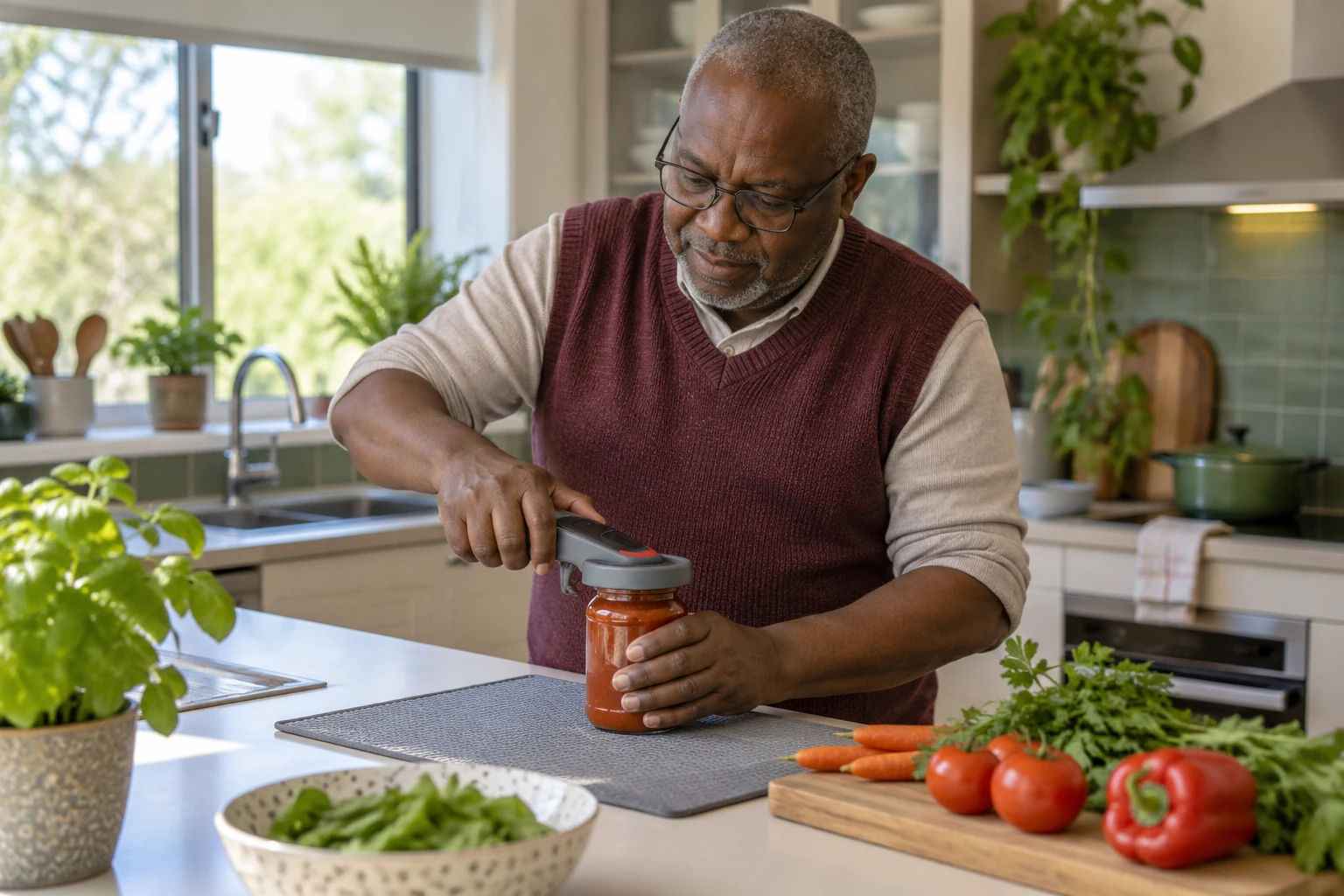
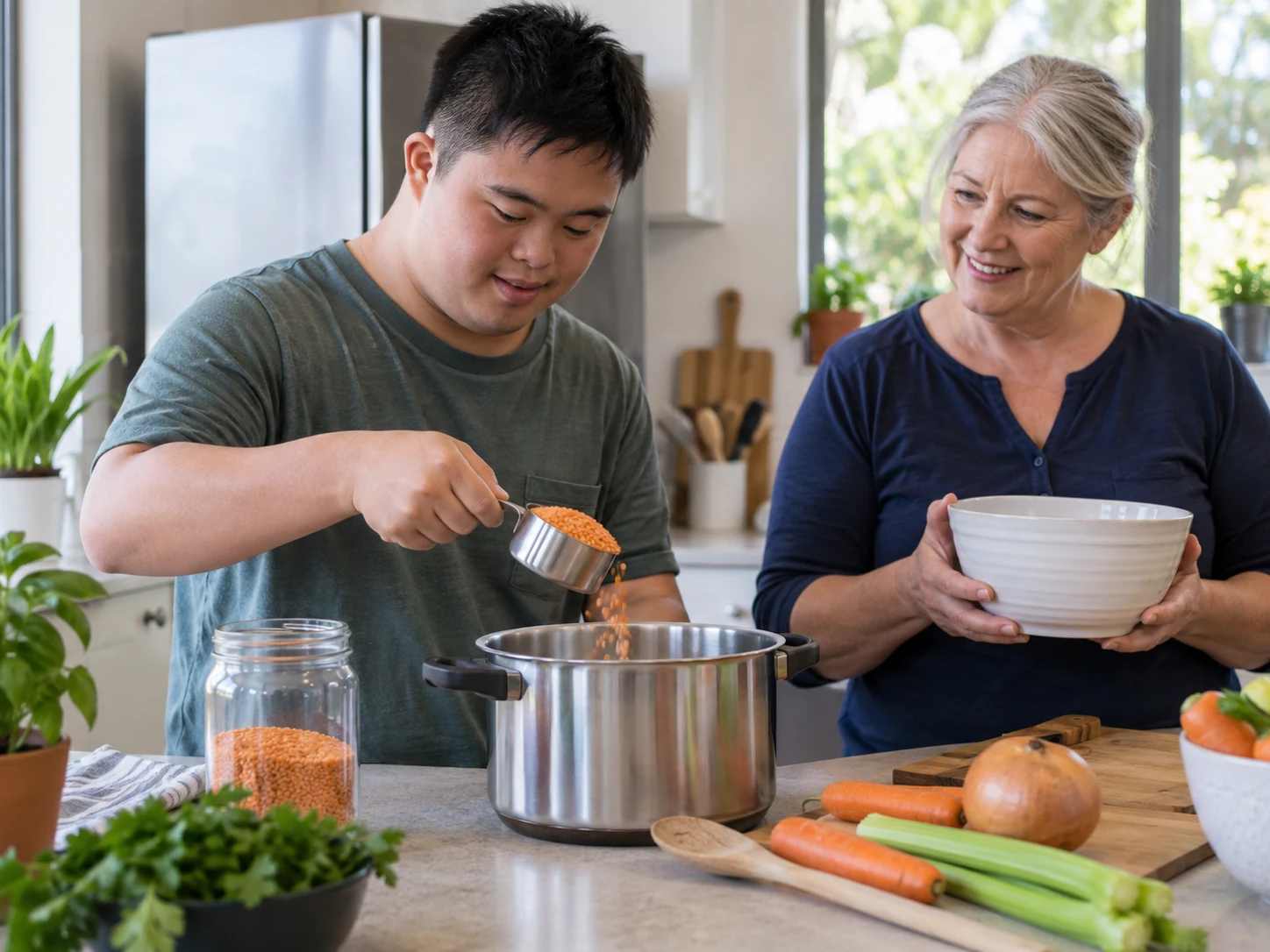
Learn how to plan meals, prepare ingredients, follow simple recipes and become more confident in the kitchen.

Shopping Skills

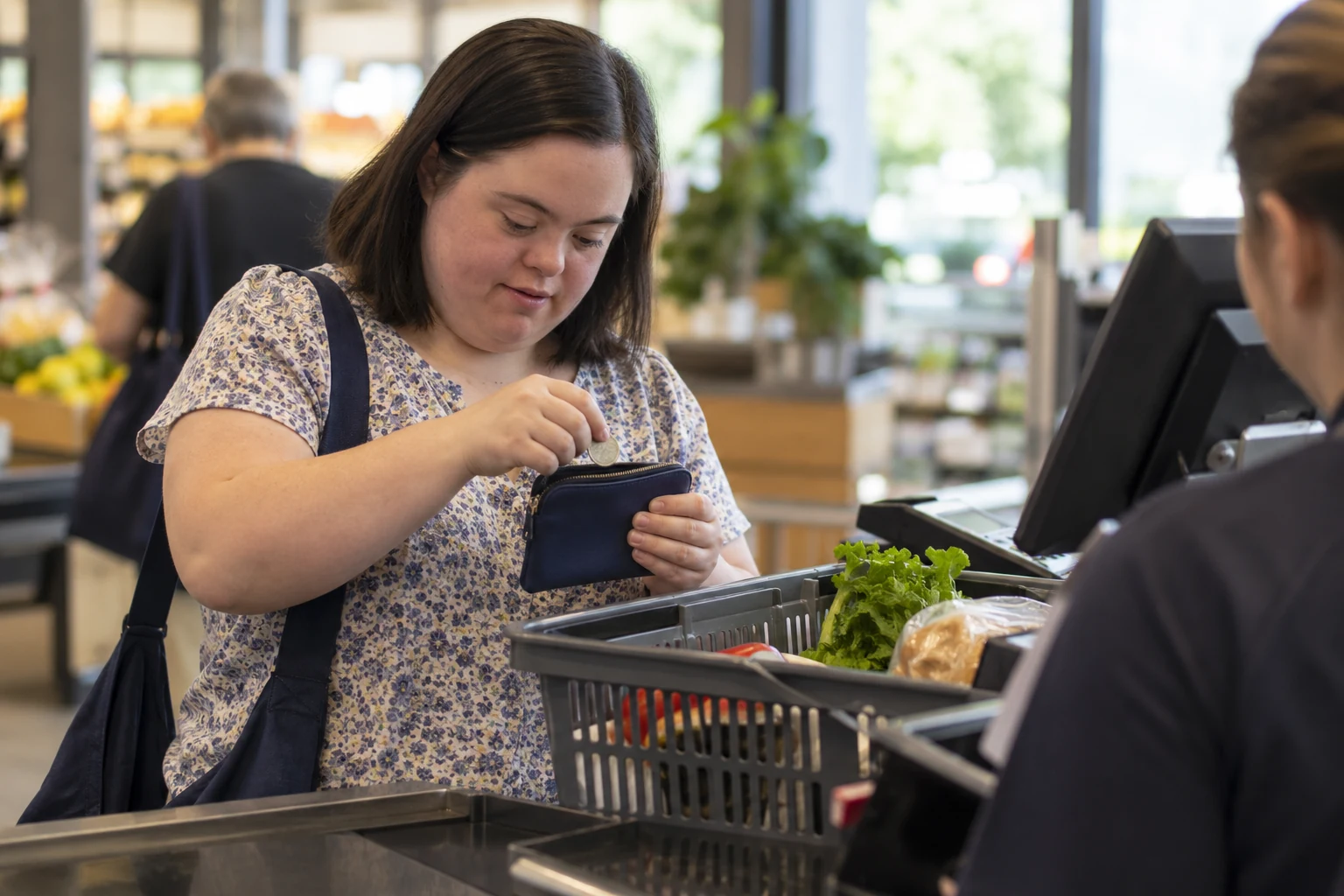
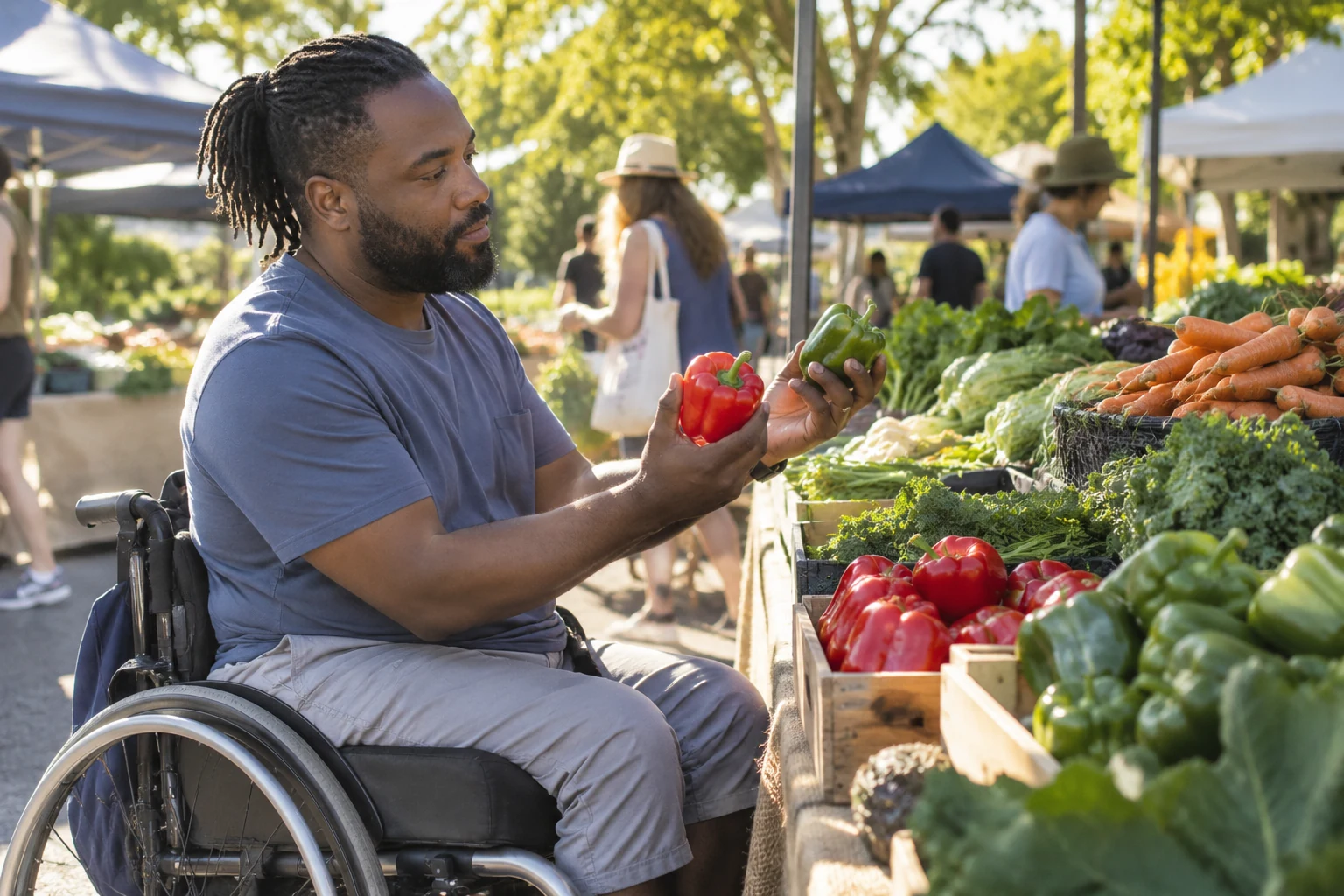
Develop skills for preparing shopping lists, finding items, comparing options and participating more independently in shopping.

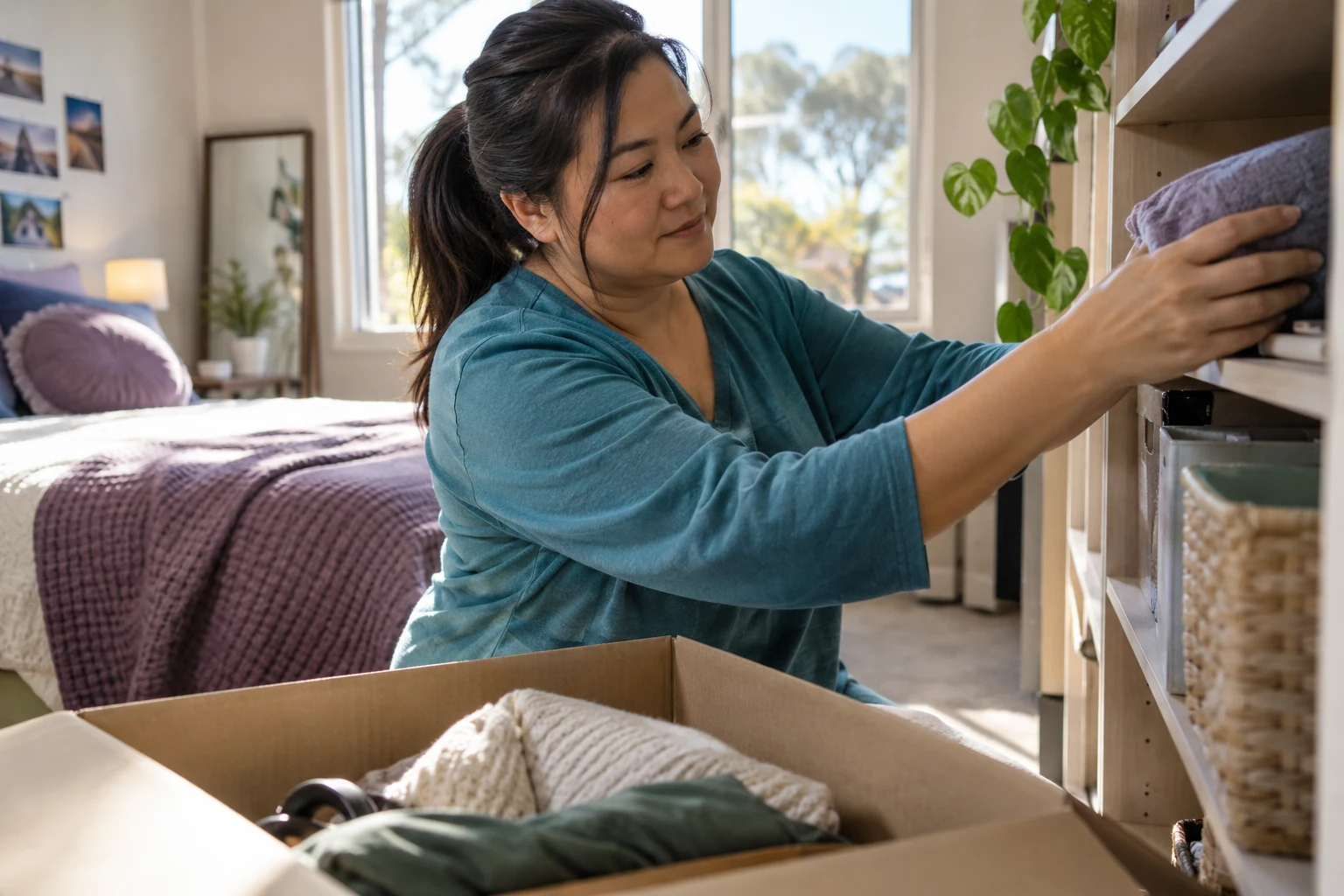
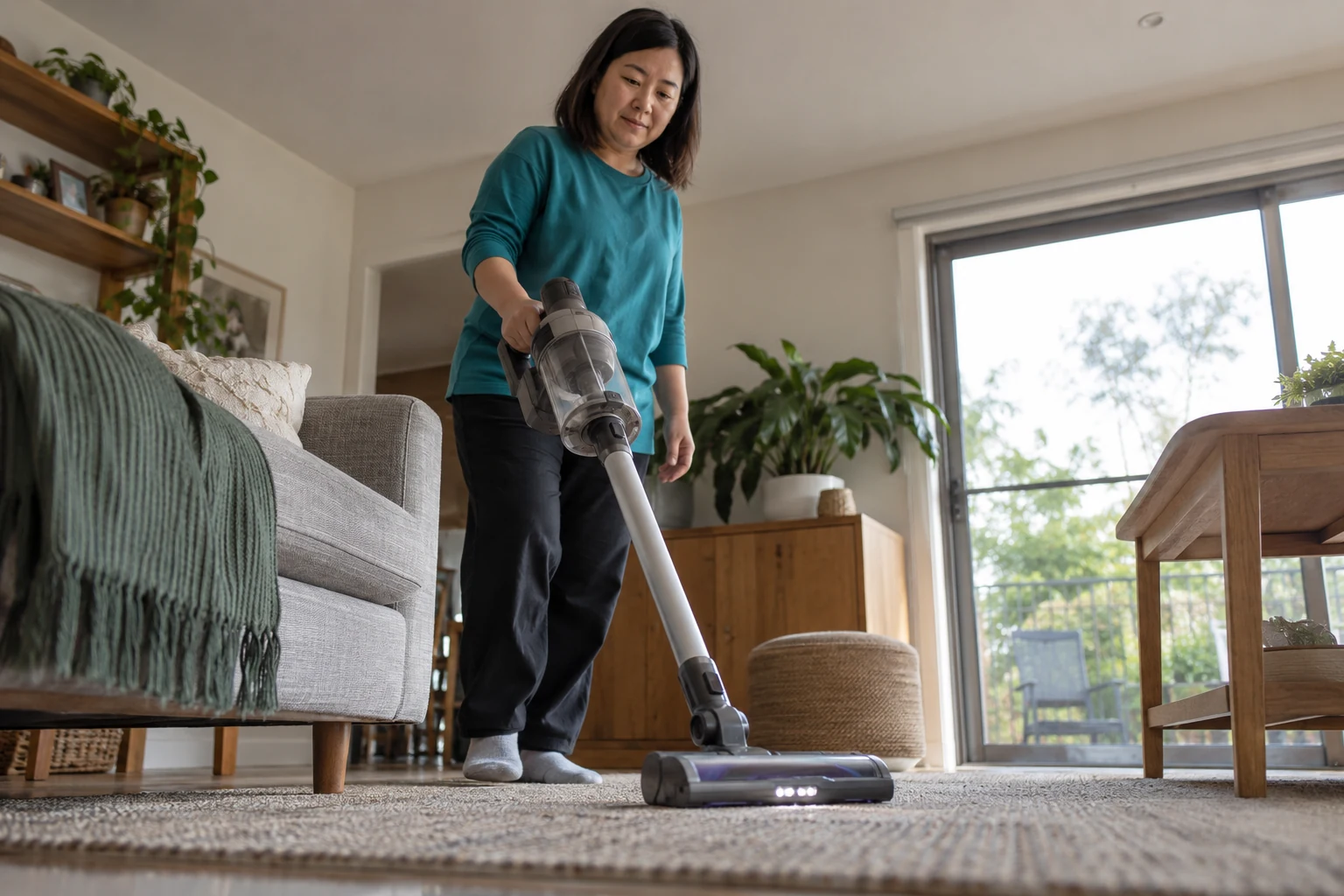
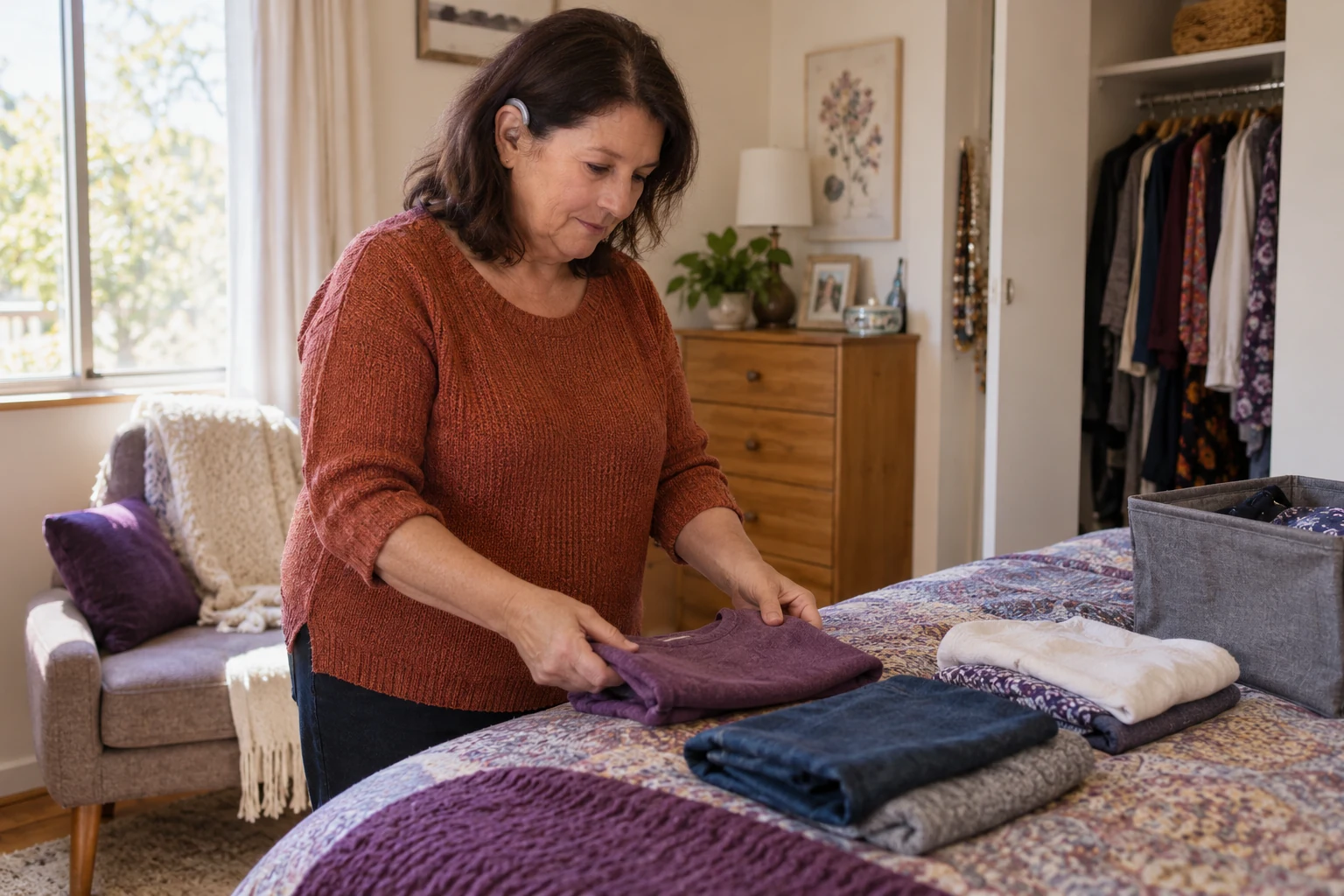
Household Skills

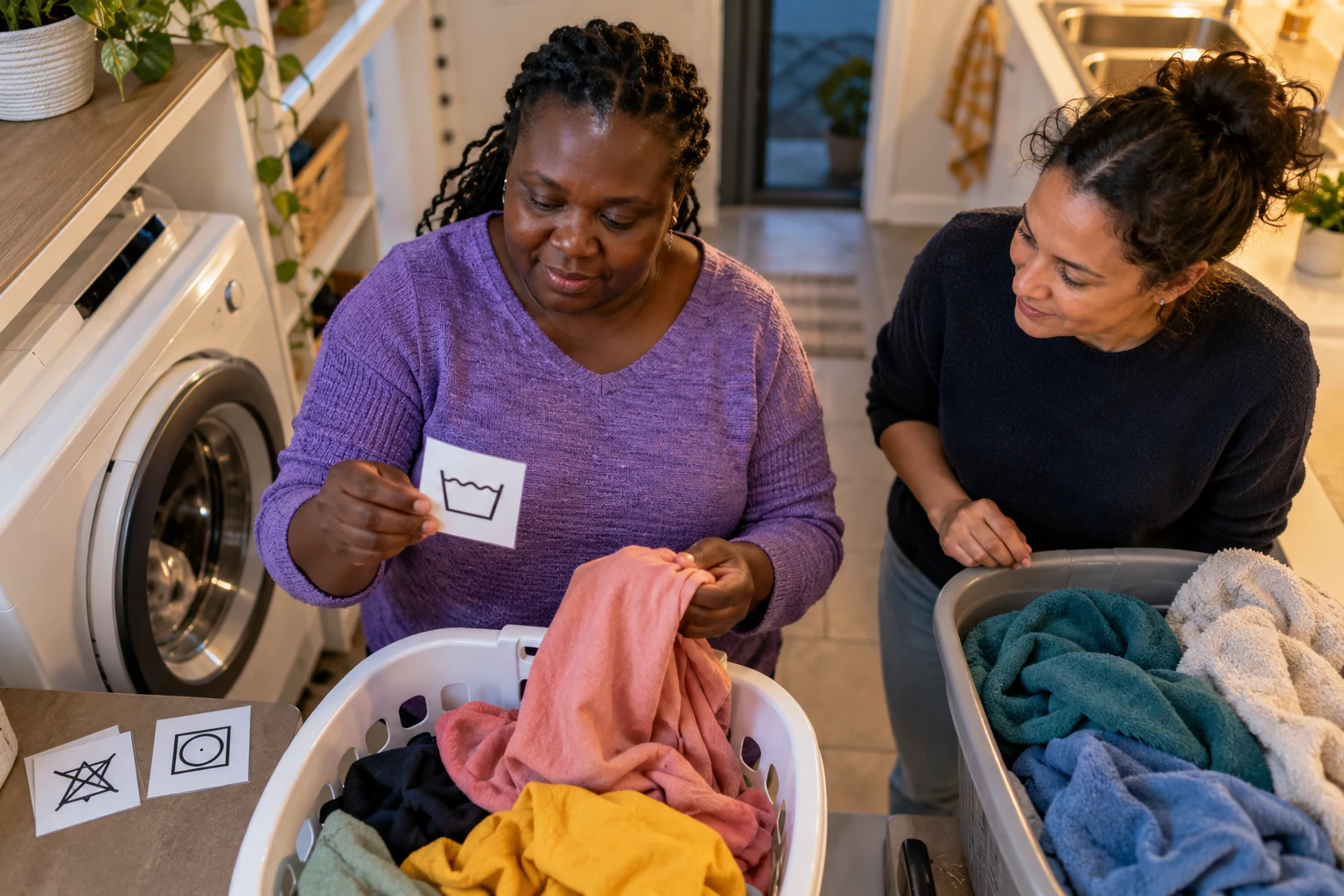
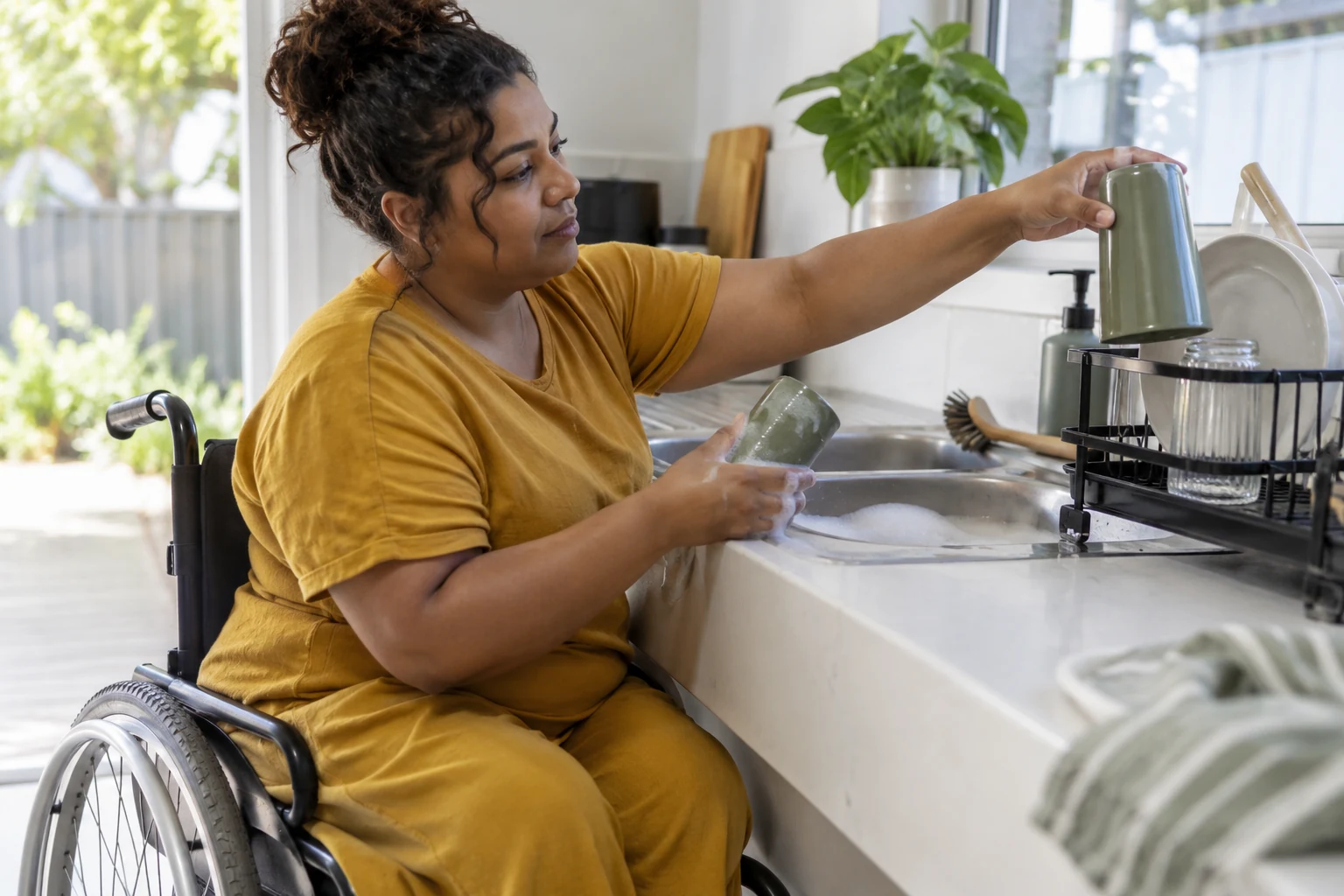
Learn practical routines for cleaning, laundry, organisation and maintaining your living environment.

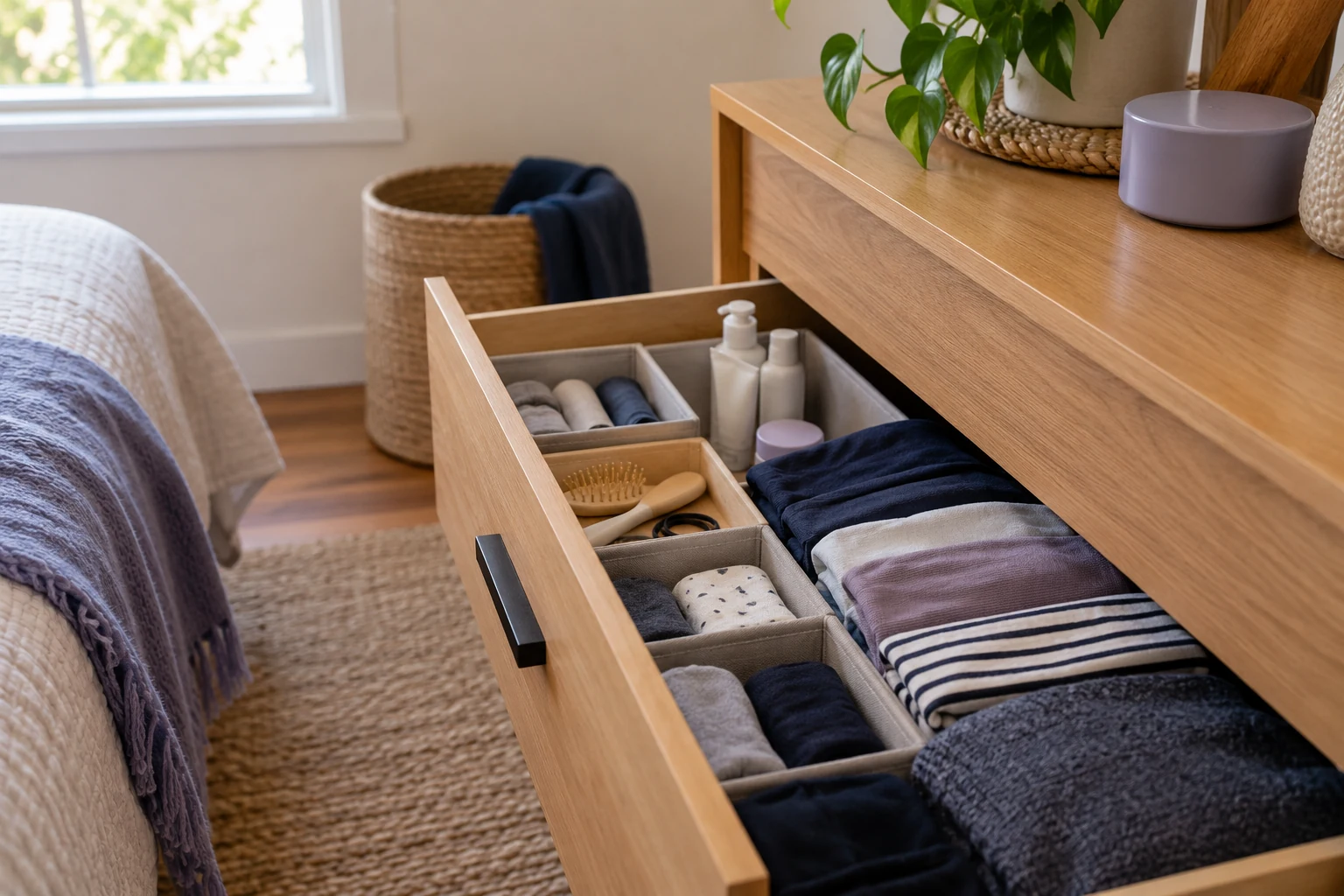
Personal Organisation

Build strategies for managing appointments, belongings, schedules and everyday responsibilities.

Money & Budget Awareness

Develop basic skills for understanding everyday spending, budgeting and making purchasing decisions.

Time Management

Learn strategies for planning your day, following schedules and becoming more organised.

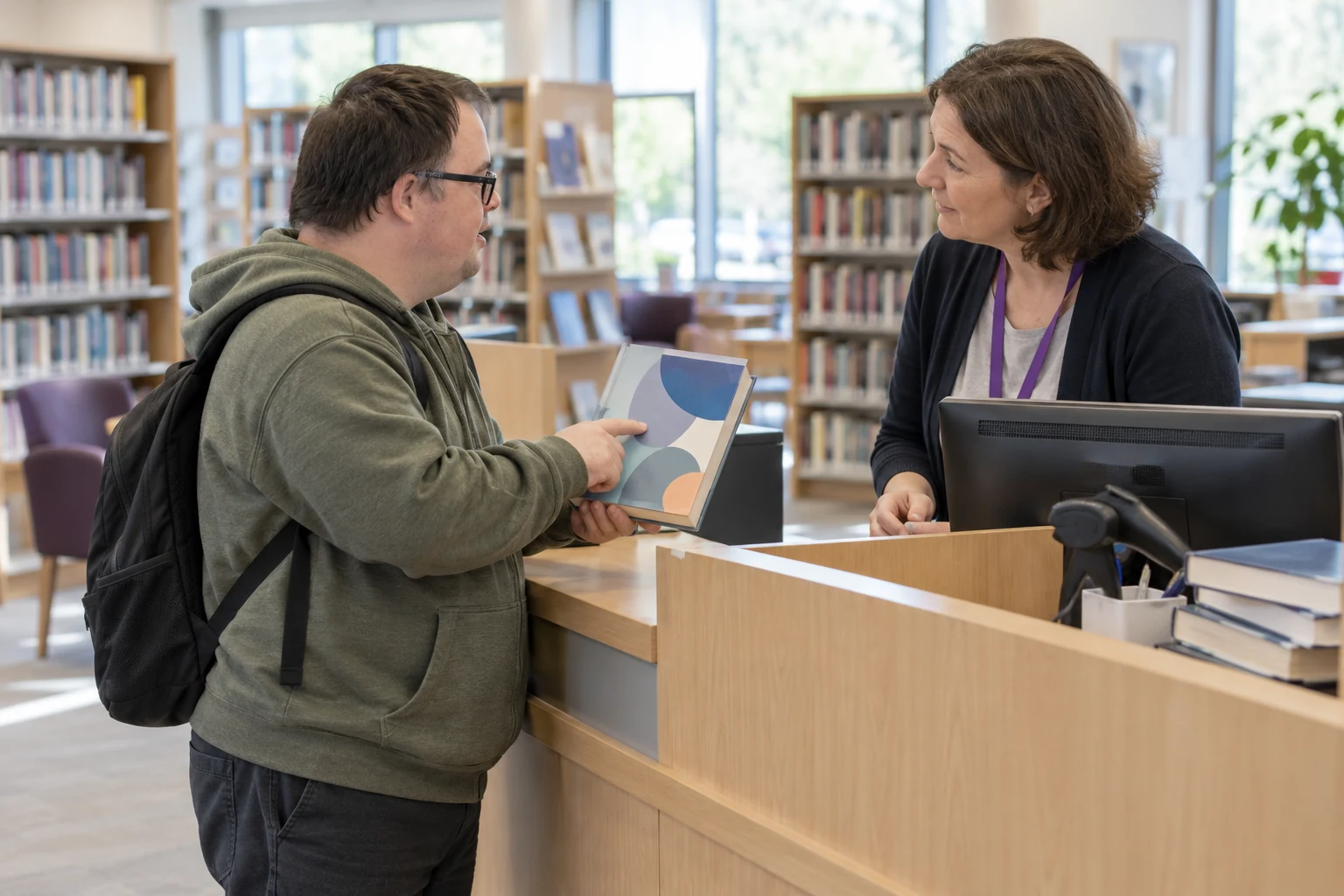
Communication Skills

Build confidence expressing preferences, asking questions and communicating with people in everyday situations.

Social Skills

Develop skills for interacting with others, understanding social situations and building confidence in relationships.

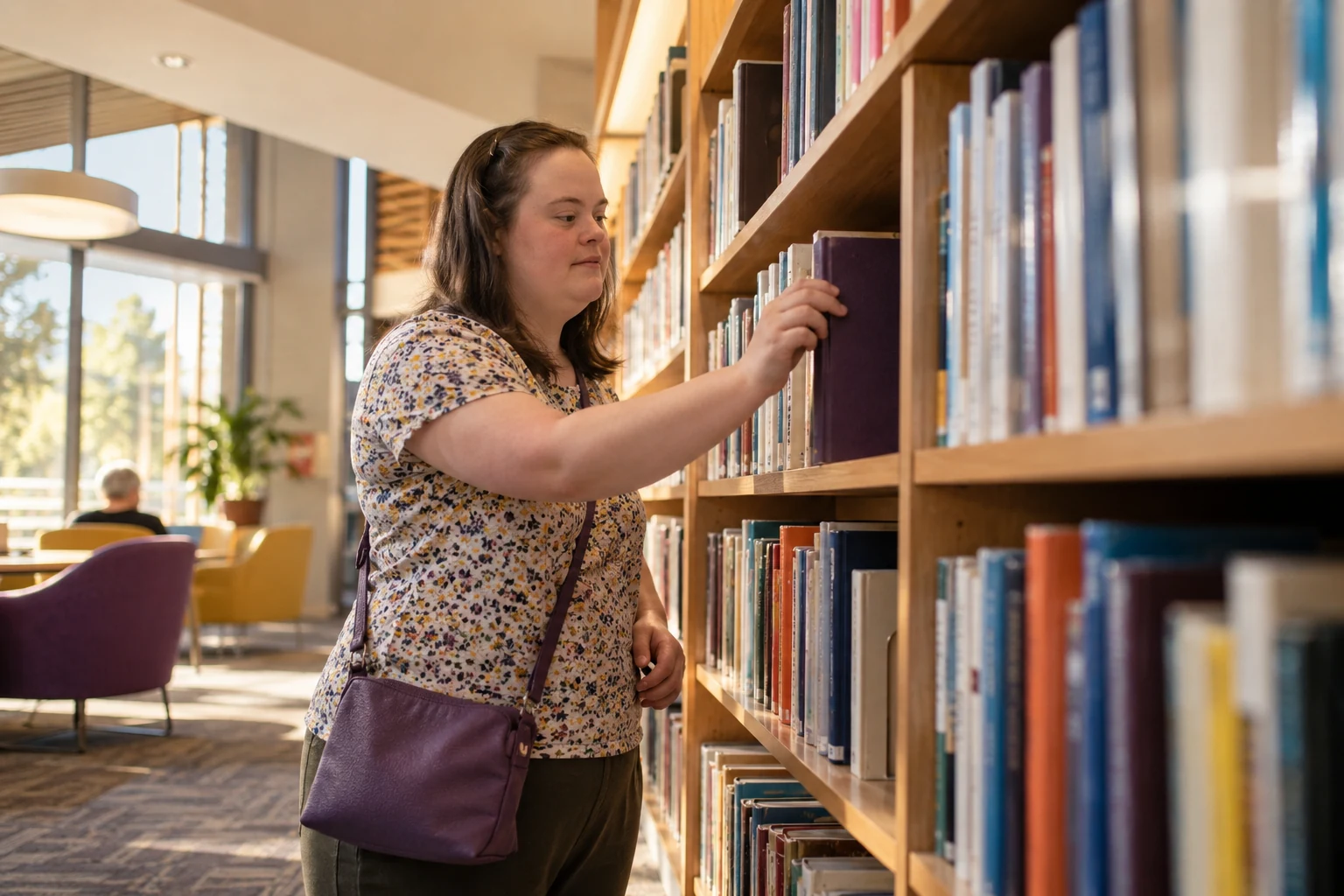
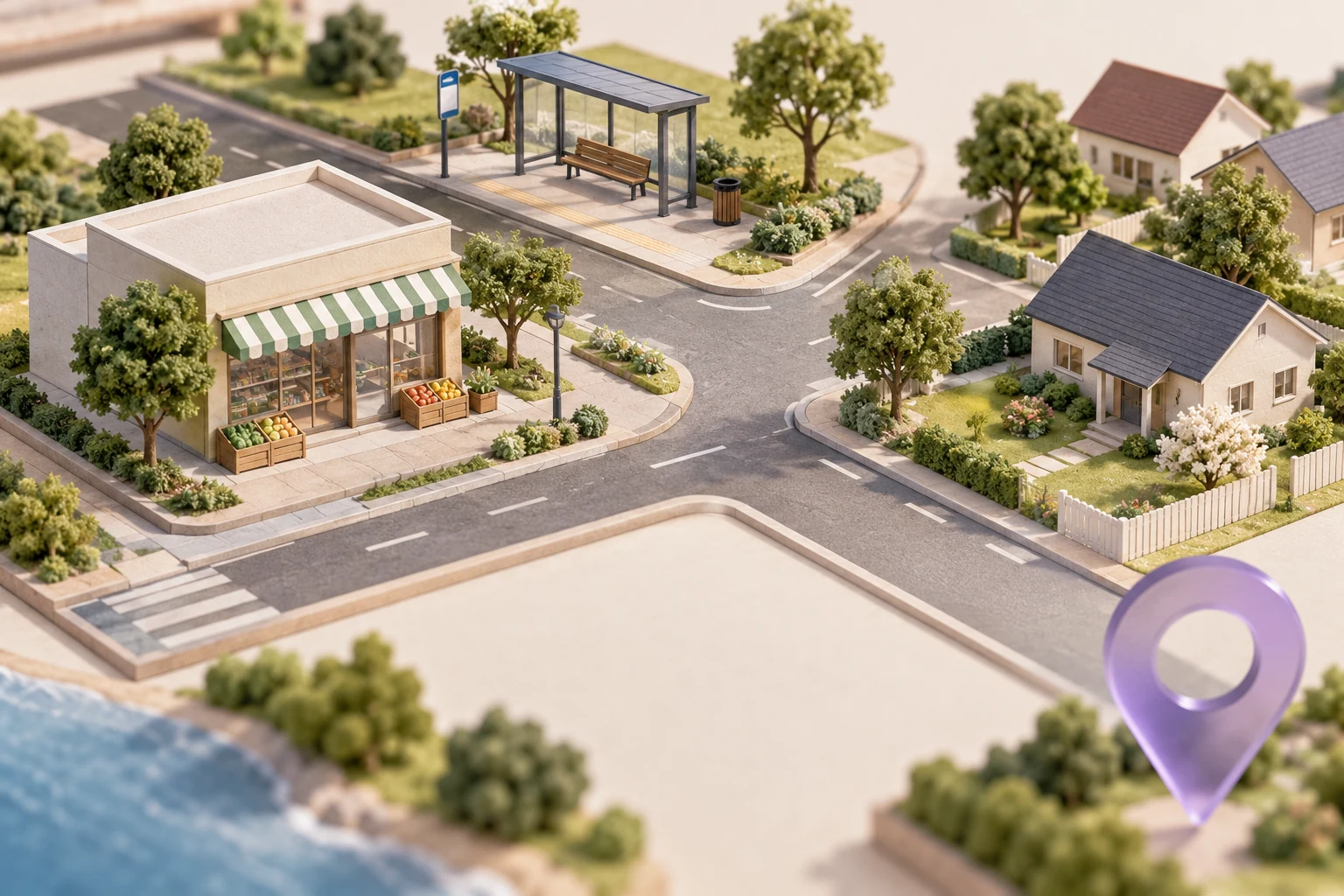
Community Access Skills

Learn how to access local services, shops, activities and community facilities with greater independence.

Travel Skills

Build confidence planning and completing everyday journeys where appropriate.

Decision-Making

Develop skills for understanding choices, considering options and making everyday decisions.

Problem-Solving

Practise working through everyday challenges and identifying possible solutions.
Practise Skills Where You Actually Use Them

Practise Skills Where You Actually Use Them

Many everyday skills are easier to learn through practical experience.

Instead of only talking about how to do something, we can support you to practise it in real situations.
For example, instead of simply discussing grocery shopping, you may practise:

  • Planning what you need
  • Writing a shopping list
  • Travelling to the shop
  • Finding items
  • Comparing options
  • Making purchasing decisions
  • Paying for your shopping
  • Bringing items home
  • Putting groceries away

Breaking a larger activity into smaller steps can make learning easier and more achievable.

Progress at Your Own Pace

Progress at Your Own Pace

Learning a new skill takes time. You do not need to become completely independent straight away.

Support may gradually change as your confidence increases.

For example, a support worker may initially:

  • Demonstrate a task
  • Complete the task with you
  • Give step-by-step instructions
  • Provide reminders
  • Supervise for safety

Over time, support may reduce to:

  • Occasional prompts
  • Checking your progress
  • Helping only when needed
  • Encouraging you to complete the activity independently

The aim is to help you do more for yourself wherever possible.

Greater Confidence in the Kitchen

Greater Confidence in the Kitchen

Depending on your goals, we may support you to practise:

  • Choosing meals
  • Planning simple menus
  • Making a shopping list
  • Identifying ingredients
  • Preparing food
  • Following simple recipes
  • Using kitchen equipment safely
  • Understanding basic kitchen hygiene
  • Cleaning up after cooking
  • Developing a regular meal routine

Build Confidence Making Everyday Purchases

Build Confidence Making Everyday Purchases

Depending on your goals, we may support you to practise:

  • Preparing a shopping list
  • Identifying what you need
  • Finding items
  • Comparing products
  • Understanding prices
  • Staying within a simple budget
  • Paying for purchases
  • Checking receipts
  • Making choices
  • Keeping track of personal belongings
Learn to Manage Your Home

Learn to Manage Your Home

Depending on your goals, we may support you to practise:

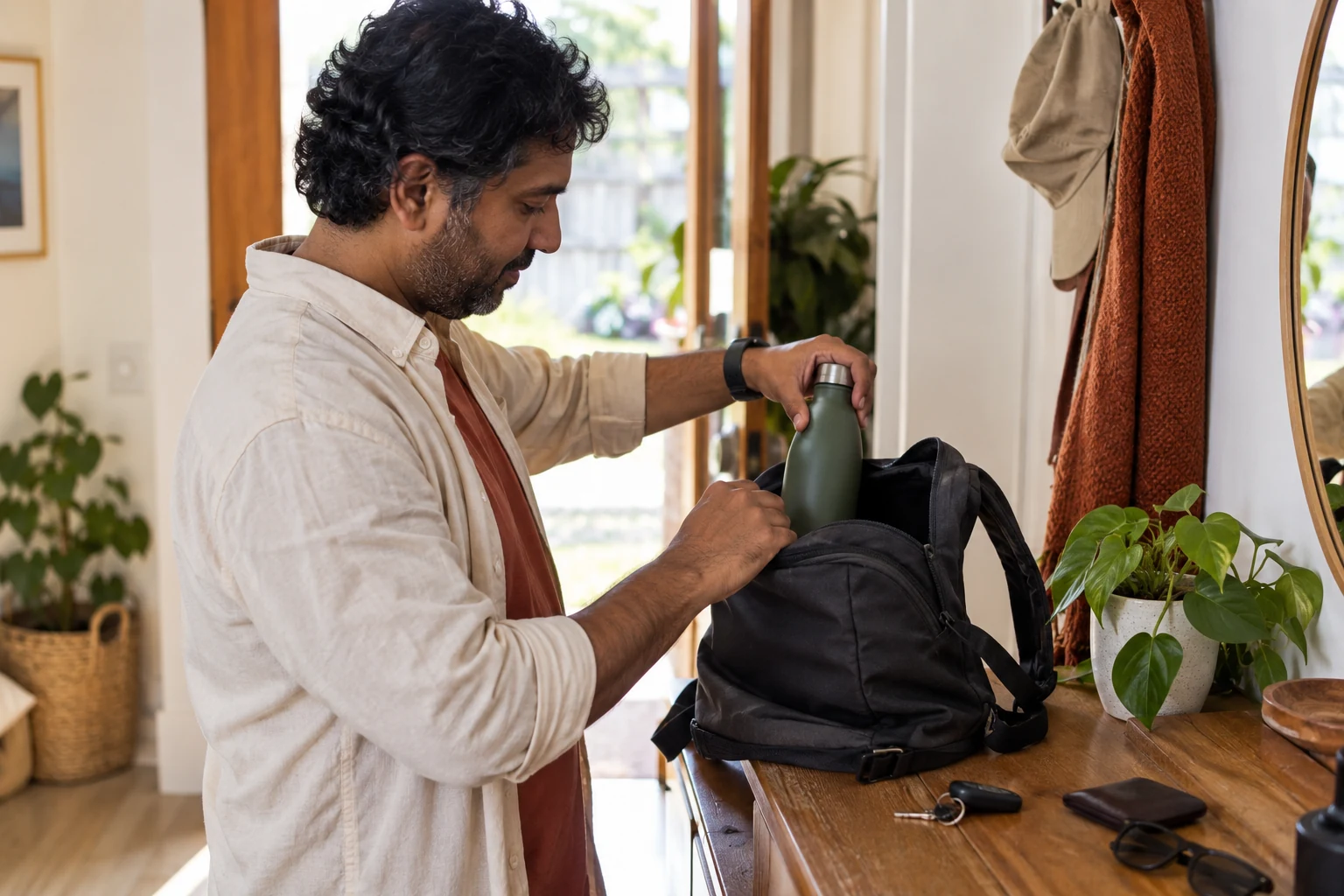
  • Make your bed
  • Organise your room
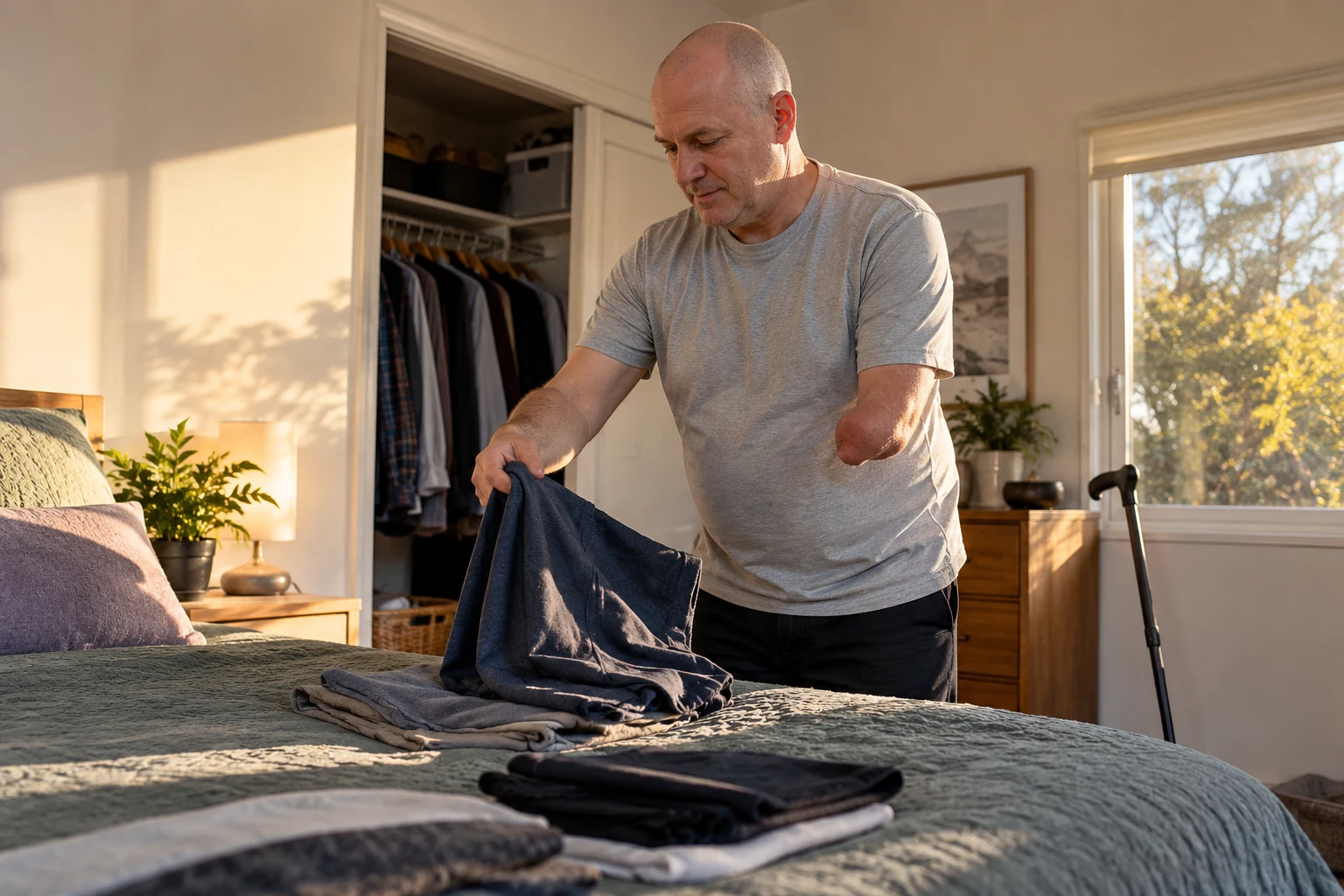
  • Sort laundry
  • Use a washing machine
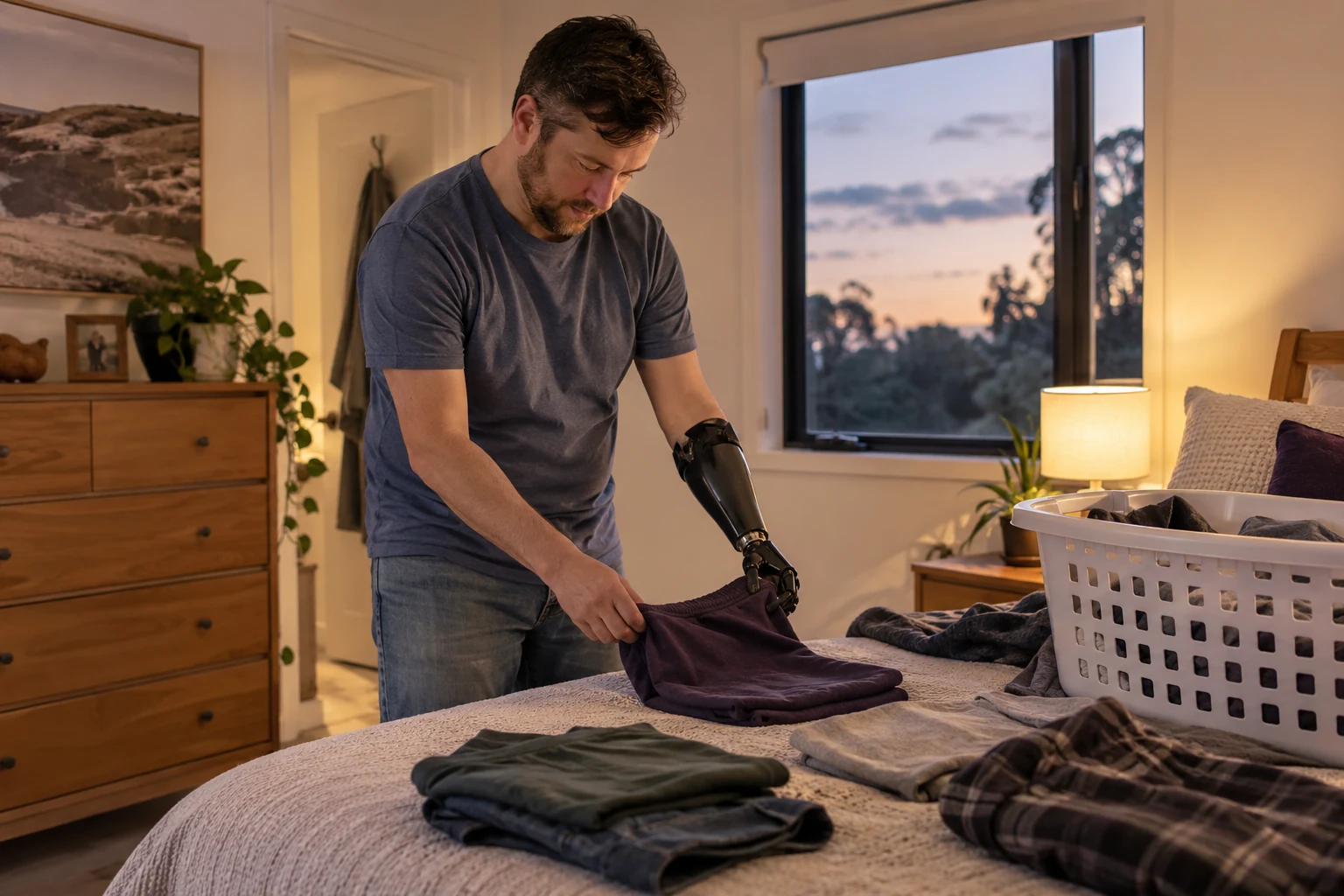
  • Fold and put away clothing
  • Follow simple cleaning routines
  • Keep commonly used areas organised
  • Use household equipment safely
  • Plan household tasks
  • Participate in shared household responsibilities
Build Routines That Make Everyday Life Easier

Build Routines That Make Everyday Life Easier

Depending on your goals, we may support you to practise:

  • Planning your day
  • Using calendars
  • Setting reminders
  • Preparing for appointments
  • Organising personal belongings
  • Following morning routines
  • Following evening routines
  • Planning activities
  • Keeping important information organised
  • Preparing for the week ahead
Build Confidence Connecting With Others

Build Confidence Connecting With Others

Depending on your goals, we may support you to practise:

  • Expressing your preferences
  • Asking for help
  • Asking questions
  • Starting conversations
  • Taking turns in conversation
  • Communicating with service providers
  • Ordering food or making purchases
  • Making appointments
  • Understanding everyday social situations
  • Building social confidence
Become More Confident in Your Community

Become More Confident in Your Community

Depending on your goals, we may support you to practise:

  • Locate community services
  • Use local shops
  • Visit libraries
  • Access recreation facilities
  • Attend appointments
  • Navigate unfamiliar environments
  • Ask for assistance
  • Plan community activities
  • Follow directions
  • Recognise important community locations

Build Confidence Getting Where You Need to Go

Build Confidence Getting Where You Need to Go

Depending on your goals, we may support you to practise:

  • Planning a journey
  • Understanding routes
  • Using maps or navigation tools
  • Recognising landmarks
  • Preparing for travel
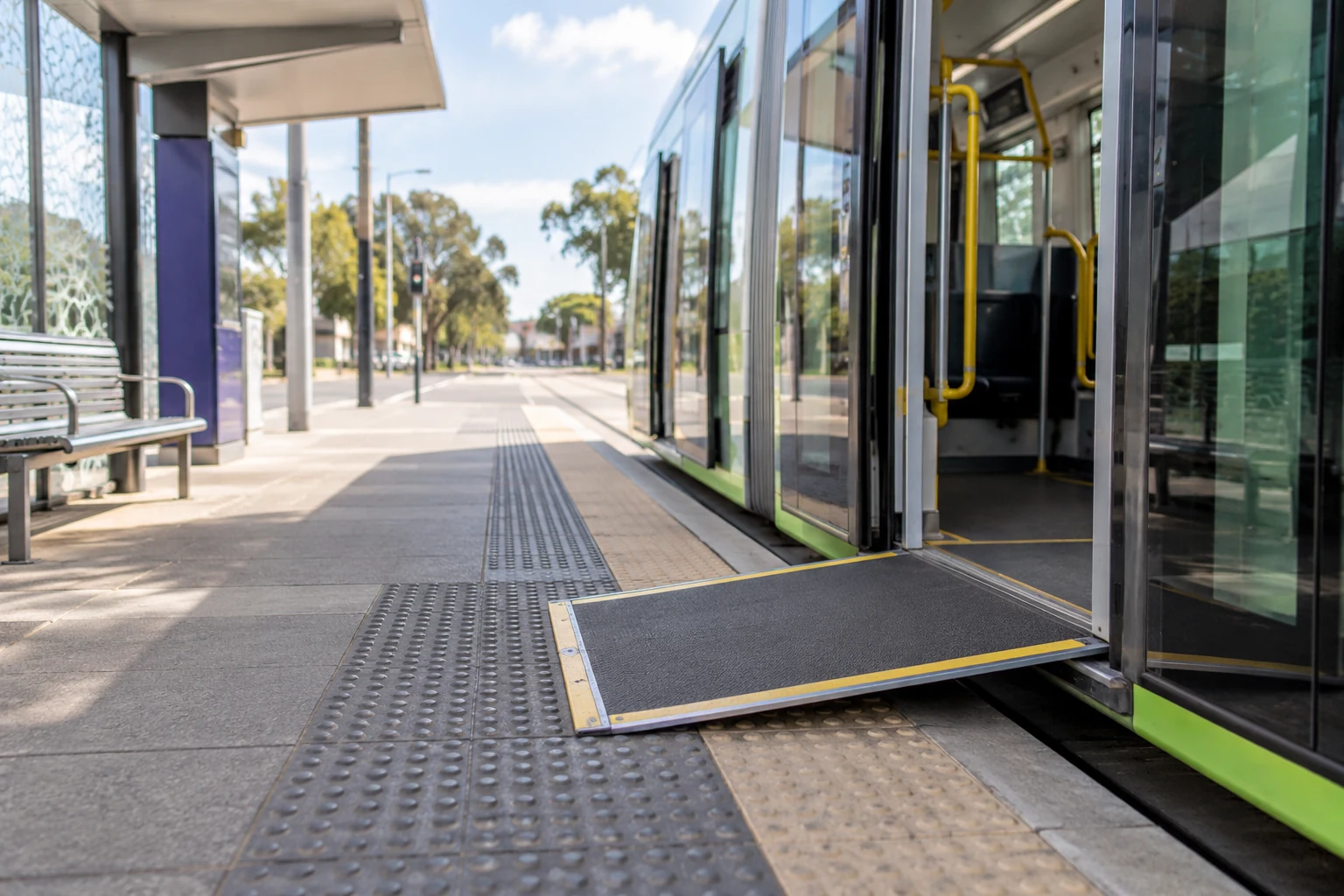
  • Using public transport
  • Asking for assistance
  • Managing travel cards or tickets
  • Understanding basic travel safety
  • Building confidence completing familiar journeys
Make More Everyday Choices for Yourself

Make More Everyday Choices for Yourself

Depending on your goals, we may support you to practise:

  • Identifying available options
  • Understanding information
  • Thinking about consequences
  • Expressing preferences
  • Comparing choices
  • Asking questions
  • Making everyday decisions
  • Reviewing whether a decision worked well
Build Confidence When Things Don't Go to Plan

Build Confidence When Things Don't Go to Plan

Depending on your goals, we may support you to practise:

  • Identifying the problem
  • Thinking of possible solutions
  • Asking someone for help
  • Considering different options
  • Choosing a practical next step
  • Reviewing what happened
  • Learning from the experience
What's the Difference?

What's the Difference?

Development of Daily Living & Life Skills

The main focus is learning and developing skills.

For example: A worker may teach and practise with you how to prepare a meal independently.

Daily Tasks & Shared Living

The focus may include assistance with completing everyday activities and participating in household routines.

For example: A worker may support you while preparing the evening meal as part of your regular daily support.

Some participants may use both types of support depending on their NDIS plan and goals.

Learning a Skill vs Receiving Practical Assistance

Learning a Skill vs Receiving Practical Assistance

Life Skills Support

Focuses on helping you develop the ability to complete activities more independently.

For example: Learning how to sort laundry and use a washing machine.

Household Tasks

Focuses on eligible practical assistance with household activities that disability may prevent you from completing yourself.

For example: Receiving assistance to complete household cleaning.

The right service depends on your NDIS plan and individual needs.

We Start With What You Can Already Do

We Start With What You Can Already Do

Your Strengths

What can you already do confidently?

Your Goals

What would you like to learn?

Your Interests

What activities motivate you?

Your Learning Style

How do you learn best?

Your Communication

How should information or instructions be provided?

Your Environment

Where will you actually use the skill?

Your Support Needs

What assistance will help you practise successfully?

This helps us make skill development more relevant and achievable.

Learn What Matters to You

Learn What Matters to You

Not everyone needs to learn the same skills. You may want to:

  • Cook independently
  • Go shopping with less support
  • Become more organised
  • Learn household routines
  • Access the community independently
  • Improve communication
  • Develop social confidence
  • Travel more independently
  • Manage everyday spending
  • Make more decisions for yourself
  • Prepare to move into independent living

Your goals help determine what we work on together.

Everyone Learns Differently

Everyone Learns Differently

Some people learn best by watching. Others learn through repetition or hands-on practice.

We can adapt the way skills are taught by using strategies such as:

  • Demonstration
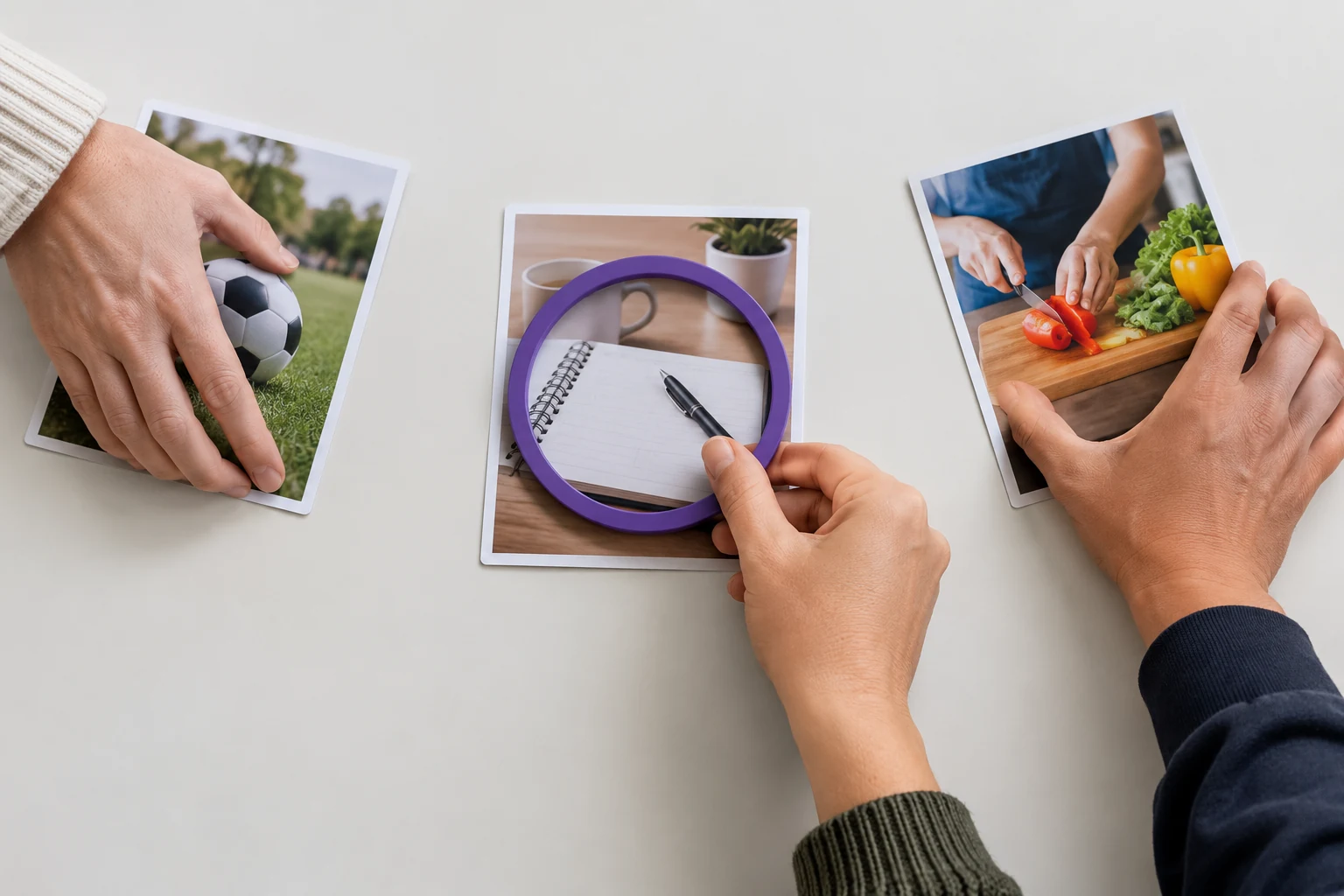
  • Visual instructions
  • Pictures
  • Checklists
  • Written steps
  • Verbal prompts
  • Repetition
  • Hands-on practice
  • Breaking tasks into smaller steps
  • Practising in familiar environments

The approach should make sense to the person learning the skill.

Consistent Skill Building

Consistent Skill Building

With your consent, we may work alongside the people involved in your support.

  • Family members
  • Carers
  • Nominees
  • Support Coordinators
  • Occupational therapists
  • Speech pathologists
  • Other allied health professionals
  • Support workers
  • SIL teams
  • Community organisations

Consistent approaches can make it easier to practise and use new skills across different environments.

Skills for Real Life

Skills for Real Life

Person-Centred

Your goals determine the skills we focus on.

Strengths-Based

We build on what you can already do.

Practical

Skills are practised in real everyday situations where possible.

Independence-Focused

The goal is to help you become more capable and confident.

Flexible

Support can change as your skills develop.

Encouraging

Learning new things takes time, and progress deserves to be recognised.

Collaborative

With your consent, we can work with your wider support network.

Is This Service Right for You?

Is This Service Right for You?

Development of Daily Living and Life Skills may be suitable for eligible participants who:

  • Want to become more independent
  • Want to learn cooking skills
  • Need help developing household skills
  • Want to improve personal organisation
  • Want to become more confident shopping
  • Need support developing community access skills
  • Want to improve communication
  • Want to build social confidence
  • Want to develop travel skills
  • Want to improve everyday decision-making
  • Are preparing for independent living
  • Want to build skills for a new stage of life

The exact support provided depends on your NDIS plan, goals and individual circumstances.

Daily Living & Life Skills Support Across Australia

Daily Living & Life Skills Support Across Australia

National Disability Service Provider provides services nationwide across Australia.

We welcome participant and referral enquiries from:

  • Victoria
  • New South Wales
  • Queensland
  • South Australia
  • Western Australia
  • Tasmania
  • Australian Capital Territory
  • Northern Territory

Service availability depends on:

  • Participant location
  • Individual goals
  • Skills to be developed
  • Preferred support schedule
  • NDIS funding
  • Workforce availability

If we do not currently have an established team in your area, contact us to discuss whether an appropriate service arrangement can be developed.

Referring a Participant for Life Skills Support?

Referring a Participant for Life Skills Support?

We welcome referrals from Support Coordinators, families, carers and other authorised people within a participant's support network.

Helpful referral information may include:

  • Participant details
  • Location
  • NDIS plan information
  • Participant goals
  • Current abilities
  • Skills the participant would like to develop
  • Current living arrangements
  • Communication needs
  • Learning preferences
  • Relevant risks
  • Existing supports
  • Preferred days and times
  • Relevant assessments or reports
  • Desired commencement date

Our team will review the referral and discuss current service availability and suitable next steps.

Start Building Skills for Greater Independence

Step 1 - Contact Us

Step 1 - Contact Us

Call 1800 896 599, email services@ndsprovider.com.au, or complete our online referral form.

Step 2 - Tell Us About Your Goals

Step 2 - Tell Us About Your Goals

We discuss the skills you would like to develop and the areas where you want greater independence.

Step 3 - Understand Your Current Skills

Step 3 - Understand Your Current Skills

We identify what you can already do and where additional support may help.

Step 4 - Agree on the Focus

Step 4 - Agree on the Focus

Together, we identify practical skill-development goals.

Step 5 - Start Practising

Step 5 - Start Practising

Your support worker works alongside you to learn and practise skills in everyday situations.
Step 6 - Build Confidence

Step 6 - Build Confidence

As your ability increases, the level of prompting or assistance may reduce where appropriate.

Step 7 - Review Progress

Step 7 - Review Progress

We can review your goals and identify new skills you would like to develop.

Daily Living & Life Skills FAQs

Daily Living & Life Skills FAQs

It is an NDIS support focused on helping eligible participants build practical skills and greater independence in everyday life.

Depending on your goals, support may focus on cooking, shopping, household skills, organisation, budgeting, communication, social skills, community access, travel, decision-making and other everyday abilities.

The main purpose of Life Skills support is capacity building. Where appropriate, workers support you to learn, practise and participate rather than simply completing the activity for you.

Yes, where this aligns with your NDIS plan and goals.

Travel training or travel skill development may form part of support where it is appropriate to your individual needs, goals and funding.

We may support development of basic everyday money and budgeting skills where this aligns with your goals.

No. Life Skills focuses on learning and building independence. Household Tasks focuses more on practical assistance with eligible domestic activities.

Not exactly. There can be overlap in the activities involved, but Life Skills has a stronger capacity-building and skill-development focus.

Yes. Life Skills support may help eligible participants build practical abilities that are useful when moving towards greater independence.

Yes. Where appropriate, skills may be practised in real community environments.

Yes. National Disability Service Provider welcomes enquiries from across Australia, subject to participant needs and local workforce availability.

Call 1800 896 599, email services@ndsprovider.com.au, or complete our referral form.

National Disability Service Provider

Our services are available Australia-wide, with physical offices currently located in Victoria and South Australia.

Service Addresses:

Victoria: 113/1510 Pascoe Vale, Coolaroo VIC 3048

South Australia: 97 Sir Donald Bradman Dr, Hilton SA 5033

Phone: 1800 896 599

Email: services@ndsprovider.com.au

Australia-Wide Enquiries

Build the Skills to Do More for Yourself

Build the Skills to Do More for Yourself

Greater independence often begins with small everyday skills.

Whether you want to learn to cook, become more organised, access your community with greater confidence or prepare for more independent living, we can work alongside you towards your goals.

We welcome participant and referral enquiries Australia-wide.

Email: services@ndsprovider.com.au