High Intensity Daily Personal Activities

Skilled Support for Complex Everyday Needs

Support is delivered according to each participant's individual needs, support plans and relevant clinical guidance.

High Intensity Daily Personal Activities

Some participants require a higher level of assistance with daily personal activities because of complex disability-related health and support needs.

National Disability Service Provider provides individualised High Intensity Daily Personal Activities support with a strong focus on safety, dignity, consistency and participant choice.

High Intensity support enquiries welcome Australia-wide.

Phone: 1800 896 599

Skilled Support. Individualised Care. Your Life at the Centre.

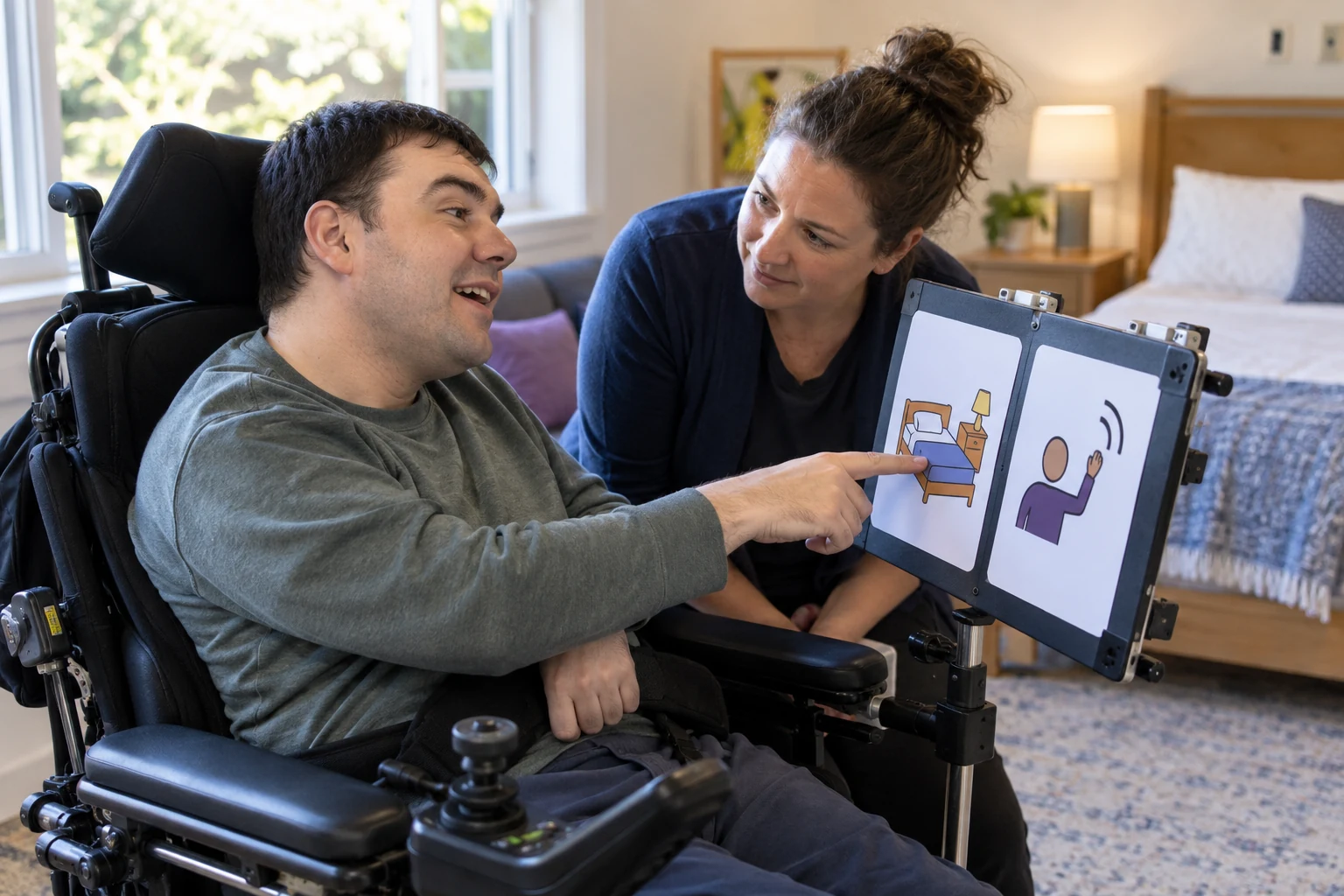
Complex support should never lose sight of the person receiving it.

Complex Support That Still Starts With the Person

High intensity support can involve complex and highly personal activities.

It requires more than simply completing a task.

Workers need to understand the participant, their individual support plan, the specific procedure they are supporting, potential risks, signs that something may be wrong and what action to take if circumstances change.

At National Disability Service Provider, we place the participant at the centre of this process.

We aim to provide support that is:

  • Safe
  • Respectful
  • Consistent
  • Individualised
  • Delivered by appropriately trained workers
  • Guided by participant-specific support plans
  • Responsive to changes in health or support needs
Complex Support That Still Starts With the Person
Additional Support for Complex Needs

Additional Support for Complex Needs

High Intensity Daily Personal Activities are disability supports involving more complex personal care or health-related needs.

These supports may require workers to have additional skills, knowledge and participant-specific training.

The level of support required varies considerably between participants.

High intensity support should be based on:

  • The participant's individual needs
  • An appropriate support or health plan
  • Relevant professional assessment
  • Clearly documented procedures
  • Identified risks
  • Emergency and escalation procedures
  • Appropriate worker training and competency
  • Regular review where required

Support should always be delivered in a way that respects the participant's dignity, preferences and right to be involved in decisions.

Understanding High Intensity Supports

Understanding High Intensity Supports

Complex Bowel Care

Support for participants who require assistance with an individually developed complex bowel care routine. This support requires clear participant-specific procedures, appropriate worker training and an understanding of risks and escalation requirements.

Enteral Feeding & Management

Support relating to enteral feeding where nutrition, fluids or medication are provided according to an individual feeding and management plan. Workers providing this support must understand the participant's individual feeding method, routine, equipment and relevant safety requirements.

Severe Dysphagia Management

Support for participants with severe swallowing difficulties who require an individual dysphagia management plan. Safe support requires workers to understand the participant's specific eating and drinking requirements, preparation methods, equipment, risks and emergency procedures.

Tracheostomy Management

Support for participants with a tracheostomy according to their individual tracheostomy management plan. Workers must understand the participant's specific routines, equipment, risks and escalation procedures.

Urinary Catheter Management

Support for participants who use an indwelling, intermittent or suprapubic catheter. Support must follow the participant's individual catheter management requirements and relevant professional guidance.

Ventilator Management

Support for participants who rely on ventilation. Workers providing this support require participant-specific knowledge of the ventilator being used, the person's routine and the appropriate response if concerns or changes occur.

Subcutaneous Injections

Support involving prescribed subcutaneous injections where this is appropriate within the participant's individual support arrangements. Workers must follow documented instructions and receive relevant participant-specific training.

Complex Wound Management

Support for participants with complex wound management needs according to an individual wound management plan. This may also affect related activities such as personal care, showering, toileting, positioning and mobility.

Important

The high intensity supports available to an individual participant depend on:

  • Their assessed needs
  • Their NDIS plan and funding
  • The support requested
  • Relevant clinical plans
  • Our registration scope
  • Availability of appropriately trained workers
  • Our assessment of whether we can safely meet the participant's needs

Please contact us to confirm whether we can provide the specific high intensity support you require.
Your Support Plan Guides Your Care

Your Support Plan Guides Your Care

High intensity support should never rely on assumptions.

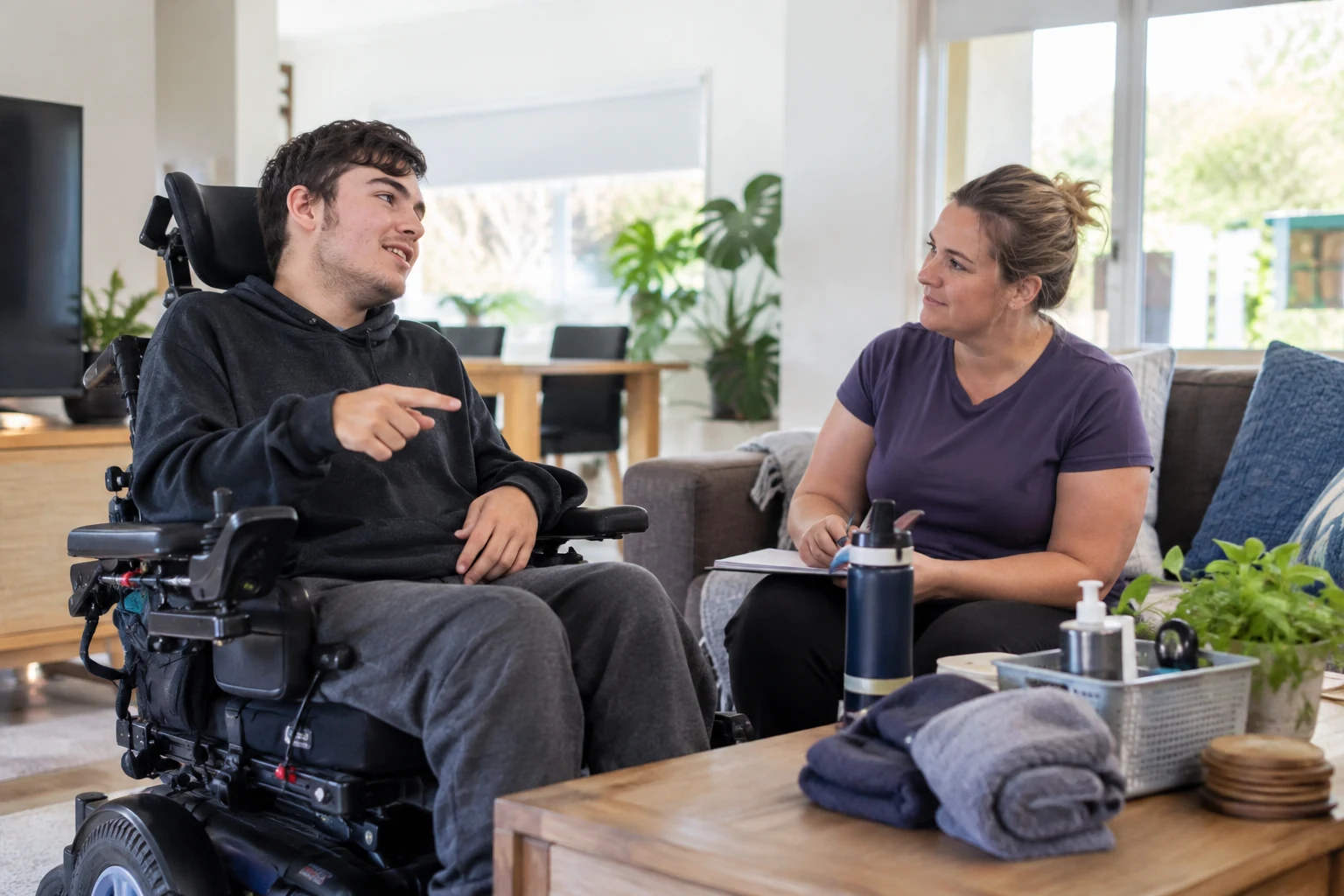
Each participant may require an individual support plan developed or reviewed by an appropriately qualified health practitioner.

Depending on the type of support, the plan may identify:

  • The participant's individual support needs
  • The procedure to be followed
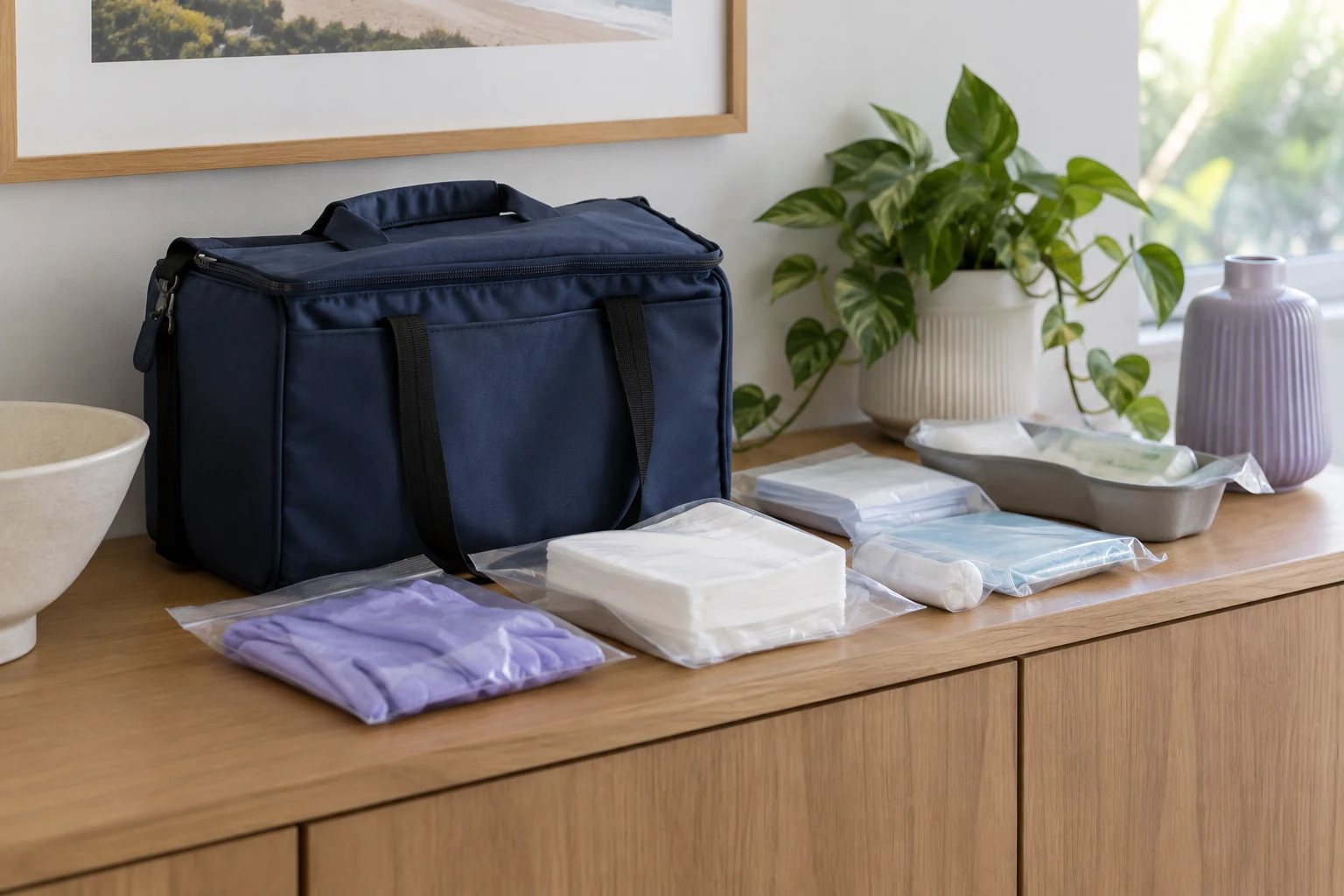
  • Required equipment
  • Daily routines
  • Participant preferences
  • Risks and warning signs
  • Monitoring requirements
  • Infection prevention requirements
  • Emergency procedures
  • Escalation pathways
  • When professional advice should be sought
  • When the plan should be reviewed

Workers providing the support must understand the relevant plan and know how it applies to the individual participant.

The Right Skills for the Right Support

The Right Skills for the Right Support

High intensity support requires appropriate worker capability.

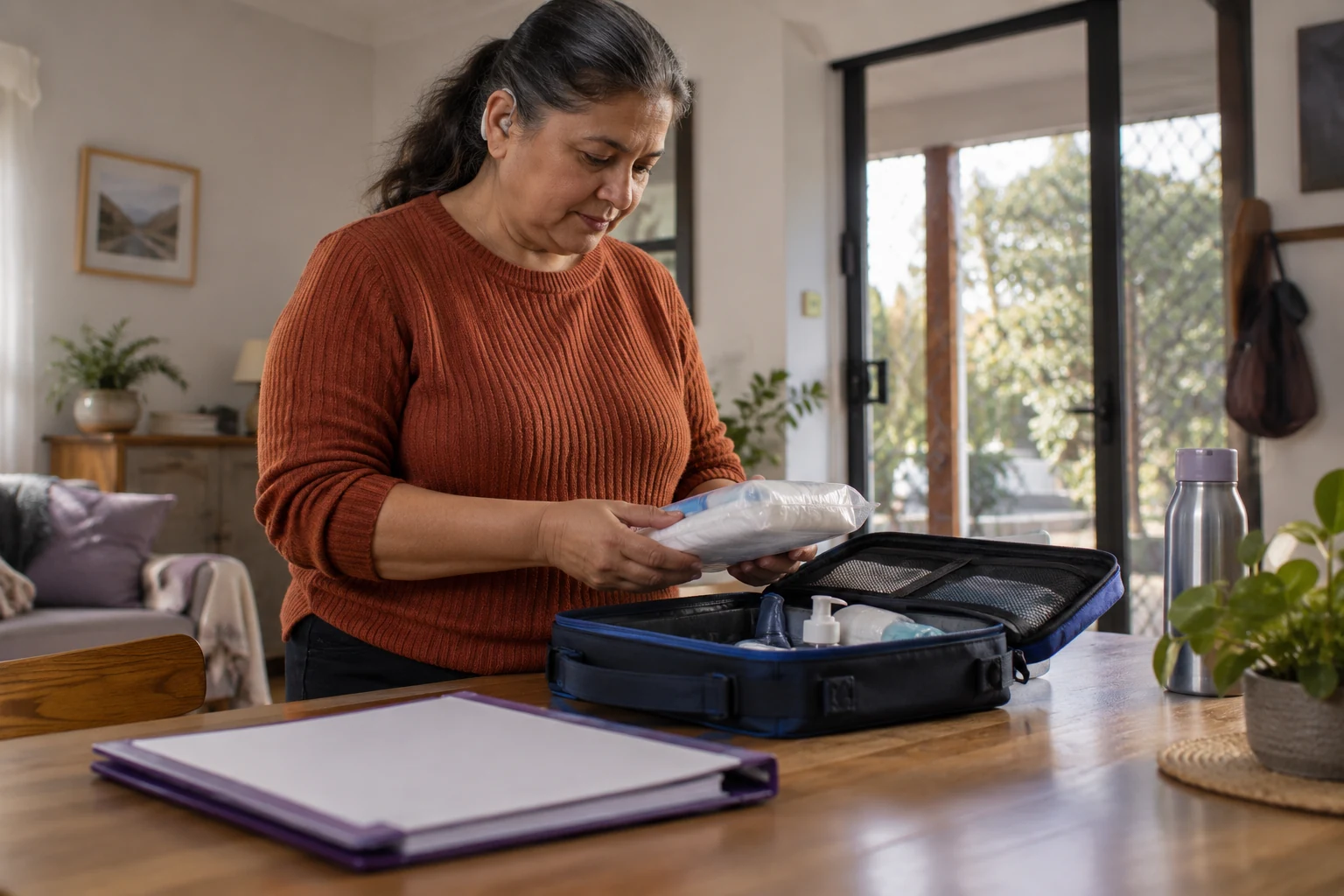
Before a worker provides a high intensity support, we consider the skills, knowledge and participant-specific training required for that activity.

Depending on the support, training may be provided or guided by an appropriately qualified health practitioner or another person who meets relevant competency requirements.

Workers may need to demonstrate that they understand:

  • The participant's individual condition and support needs
  • The relevant support plan
  • The correct procedure
  • Equipment used
  • Hygiene and infection prevention
  • Risks and potential complications
  • Signs that something may be wrong
  • Emergency procedures
  • Escalation requirements
  • Documentation and reporting expectations
  • Participant communication and preferences

Training should be relevant to the individual participant rather than relying only on general knowledge.

Preparing for the Unexpected

Preparing for the Unexpected

High intensity supports may involve significant risks if they are not delivered correctly.

Before support commences, relevant risks should be identified and appropriate controls established.

This may include understanding:

  • Known health risks
  • Potential complications
  • Changes that require attention
  • Emergency warning signs
  • Equipment-related risks
  • Infection risks
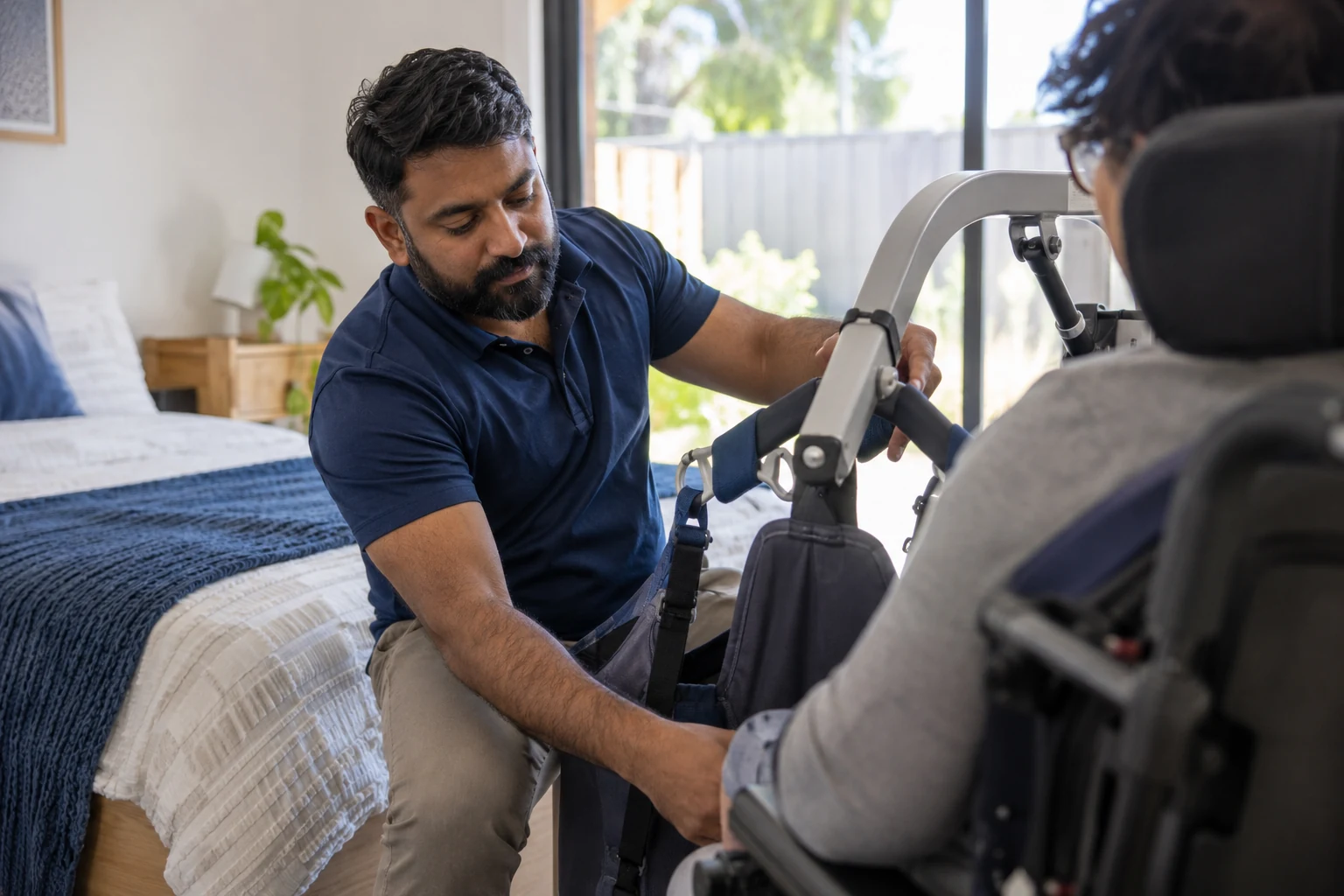
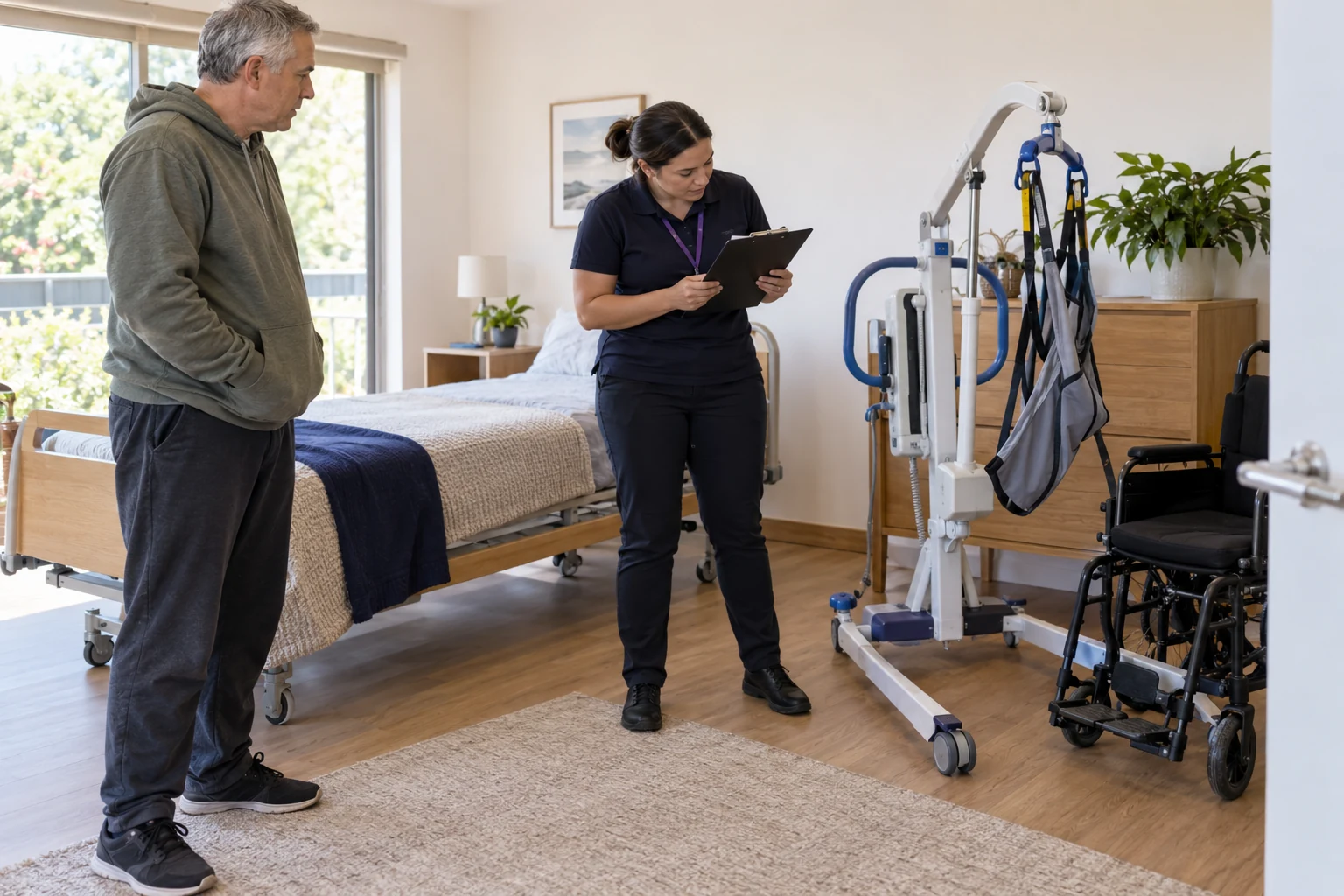
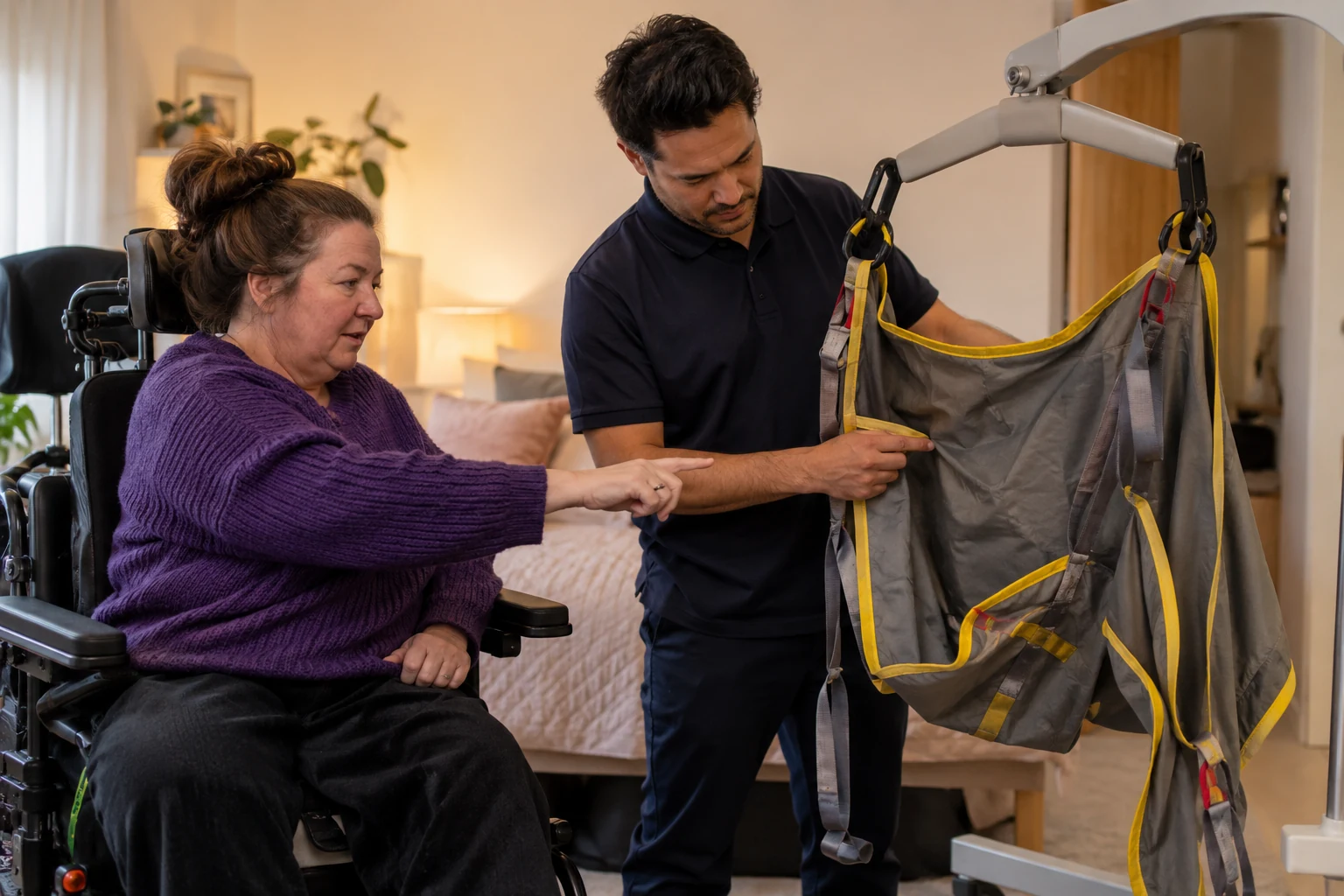
  • Manual handling considerations
  • Participant communication methods
  • Who should be contacted if concerns arise
  • When emergency services may be required

Workers should know what to do and who to contact if an unexpected situation occurs.

Knowing When Something Is Different

Knowing When Something Is Different

Workers providing high intensity support may spend significant time with a participant and can play an important role in recognising changes.

Workers should understand the participant's usual presentation and know when something may require further attention.

This could include changes in:

  • Breathing
  • Swallowing
  • Skin condition
  • Wound appearance
  • Bowel routine
  • Catheter function
  • Feeding tolerance
  • Behaviour or communication
  • Alertness
  • Pain or discomfort
  • General health and wellbeing

Workers must follow the participant's documented escalation procedures and report relevant changes appropriately.

Complex Support Is Still Personal Support

Complex Support Is Still Personal Support

Many high intensity activities are extremely personal.

Technical skill is important, but so are dignity, respect and communication.

We expect support to be delivered in a way that:

  • Protects your privacy
  • Respects your dignity
  • Explains what is happening
  • Seeks your involvement wherever possible
  • Respects your preferences
  • Maintains professional boundaries
  • Recognises your communication needs
  • Allows you to raise concerns
  • Gives you time to make choices

You are a person first.

Your support needs should never define the way you are treated.

Your Voice Matters

Your Voice Matters

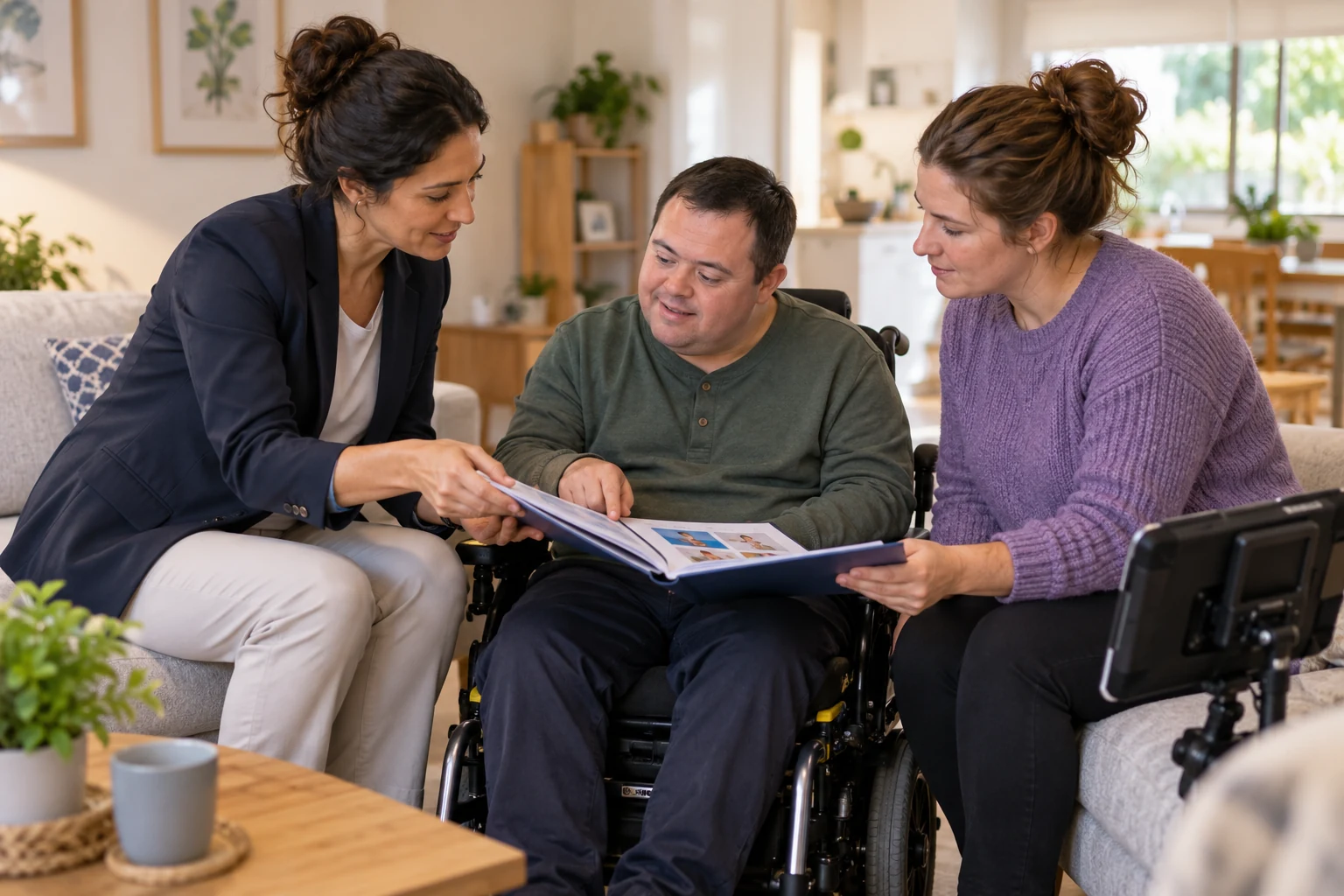
Requiring complex support does not remove your right to make decisions.

You should be involved in discussions about:

  • Your routines
  • How support is provided
  • Your personal preferences
  • Who is involved in your support
  • Your communication needs
  • Your privacy
  • Your goals
  • Your cultural requirements
  • Your comfort
  • Changes to your support arrangements

Where appropriate, family members, carers, nominees or advocates may also be involved according to your wishes and consent.

Connected Support Around Your Health Needs

Connected Support Around Your Health Needs

High intensity support often forms one part of a participant's broader health and disability support network.

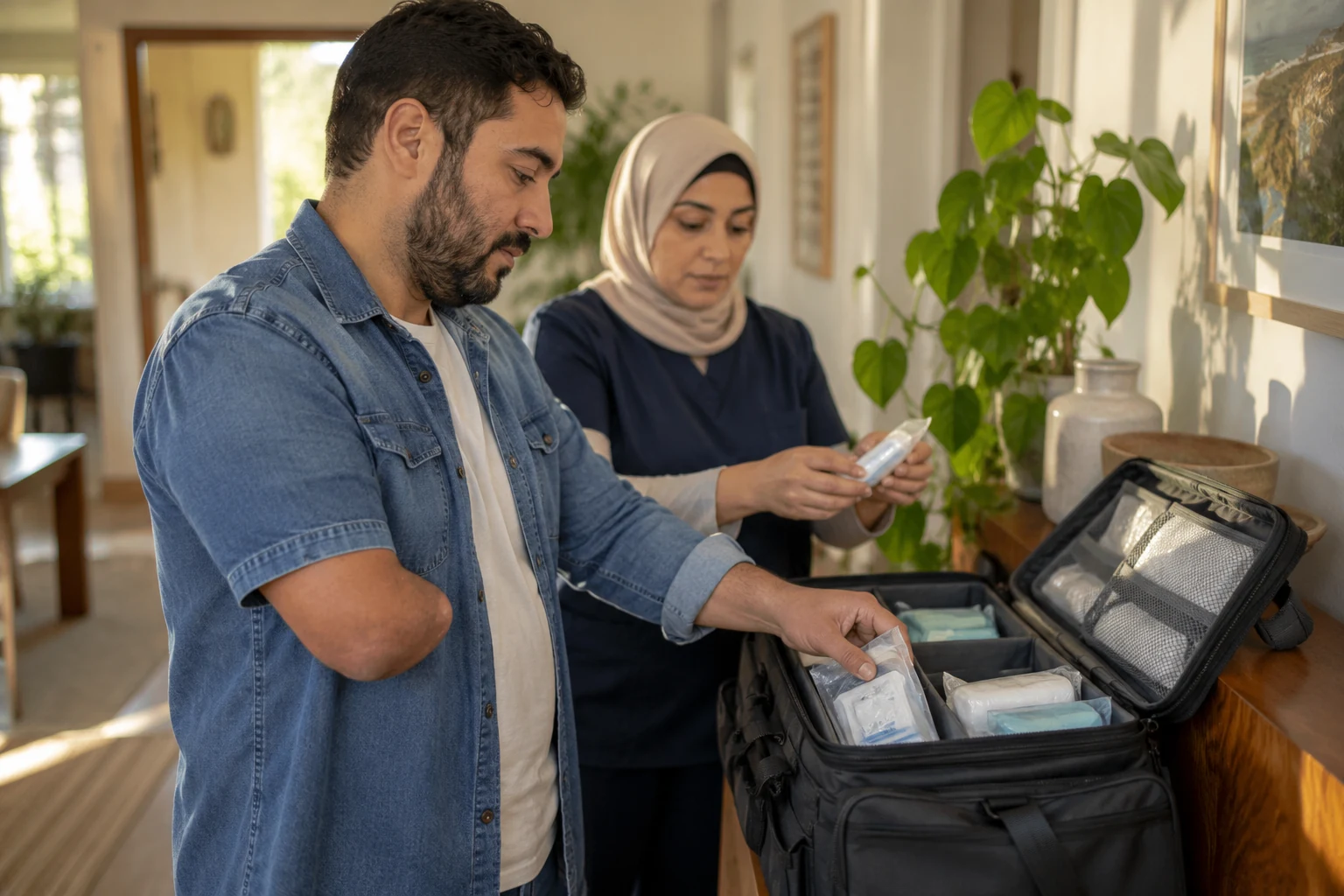
With appropriate consent, we may work alongside relevant professionals such as:

  • Registered nurses
  • Medical practitioners
  • Occupational therapists
  • Physiotherapists
  • Speech pathologists
  • Dietitians
  • Continence professionals
  • Other appropriately qualified health practitioners

Professional input may be required to assess needs, develop support plans, provide training, review changes or update procedures.

Our support workers follow the participant-specific instructions relevant to their role.

What's the Difference?

What's the Difference?

High Intensity Daily Personal Activities and Community Nursing Care can sometimes work alongside each other, but they are not the same service.

High Intensity Daily Personal Activities

High intensity support may be provided by appropriately trained and competent disability support workers when the activity can safely be delegated and delivered within the relevant support plan and requirements.

Community Nursing Care

Community Nursing involves nursing services delivered by an appropriately qualified nursing professional within their professional scope.

Some participants may require both services.

Our team can discuss your individual needs and determine which of our services may be appropriate.

Complex Support in Familiar Surroundings

Complex Support in Familiar Surroundings

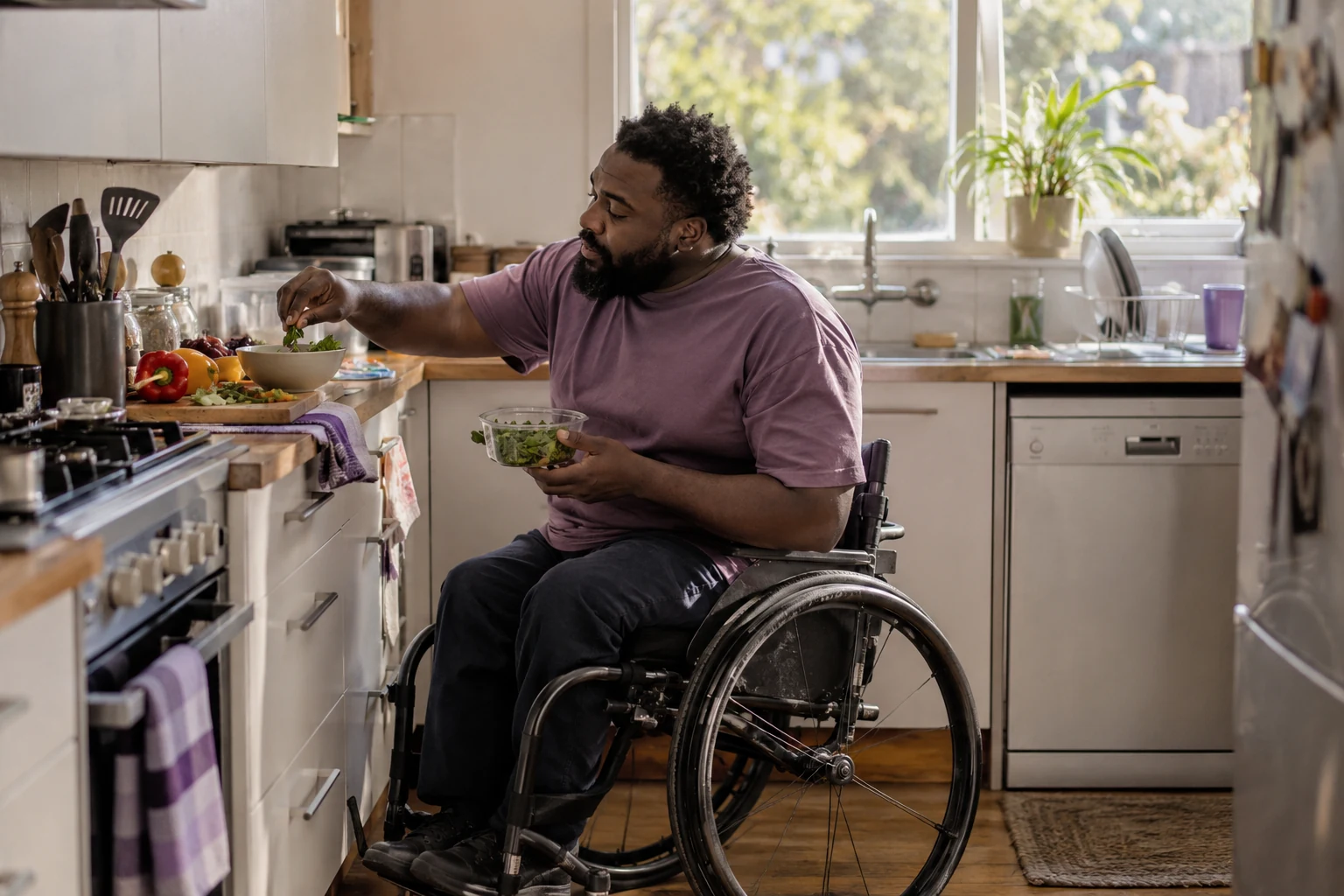
High intensity daily support may be delivered within a participant's home when appropriate.

This could include participants who live:

  • Independently
  • With family
  • With a partner
  • With housemates
  • In Supported Independent Living
  • In another supported environment

Providing support in familiar surroundings can help participants maintain their routines and remain connected to everyday life.

Supporting Participants With Complex Needs at Home

Supporting Participants With Complex Needs at Home

Some participants receiving Supported Independent Living may also have high intensity support needs.

Where appropriate, high intensity supports can form part of the participant's broader SIL arrangements.

This requires careful consideration of:

  • Participant-specific support plans
  • Staff training and competency
  • Worker availability
  • Support ratios
  • Overnight requirements
  • Clinical oversight
  • Equipment
  • Emergency procedures
  • Communication between services
Workers Who Understand Your Support

Workers Who Understand Your Support

For participants with complex needs, consistency can be especially important.

Where possible, we aim to establish support arrangements that allow workers to become familiar with:

  • Your routines
  • Your communication
  • Your support plan
  • Your equipment
  • Your preferences
  • Your warning signs
  • Your escalation procedures
  • Your goals

A worker who understands the individual participant can provide more consistent and responsive support.

Safe Support Without Losing the Human Connection

Safe Support Without Losing the Human Connection

Person-Centred

You remain at the centre of your support.

Competent

Workers must have the appropriate capability for the support they provide.

Participant-Specific

Training and procedures are based on your individual needs.

Safe

Risks, incidents and emergency responses are considered as part of service planning.

Respectful

Your dignity, privacy and personal preferences are protected.

Collaborative

We work with relevant health professionals and your chosen support network where appropriate.

Responsive

Changes in your needs are documented, communicated and escalated according to your support arrangements.

Continuous

Support plans, worker capability and service arrangements should be reviewed when circumstances change.

Is This Service Relevant to You?

Is This Service Relevant to You?

High Intensity Daily Personal Activities may be appropriate for eligible NDIS participants who have complex disability-related support needs requiring additional worker training, competency or supervision.

This may include participants who:

  • Require one or more recognised high intensity supports
  • Have complex personal care requirements
  • Require participant-specific procedures
  • Need regular monitoring during support
  • Require workers to use specialised equipment
  • Need clearly documented emergency or escalation procedures
  • Require significant daily assistance
  • Need complex supports delivered alongside SIL
  • Require coordinated input from health professionals and disability workers

An individual assessment is required before we confirm whether we can safely provide the requested service.

High Intensity Support Across Australia

High Intensity Support Across Australia

National Disability Service Provider welcomes high intensity support enquiries nationwide across Australia.

We can consider referrals from:

  • Victoria
  • New South Wales
  • Queensland
  • South Australia
  • Western Australia
  • Tasmania
  • Australian Capital Territory
  • Northern Territory

Because high intensity supports require specific worker capability and participant-specific arrangements, service commencement depends on:

  • Your location
  • The specific high intensity support required
  • Availability of suitably trained workers
  • Relevant support plans
  • Required professional involvement
  • Equipment requirements
  • Risk assessment
  • Our ability to safely meet your individual needs

If an established team is not currently available in your area, we can discuss whether an appropriate service arrangement can be developed.

Referring a Participant With Complex Support Needs?

Referring a Participant With Complex Support Needs?

Providing detailed information at referral stage helps us understand whether we can safely meet the participant's needs.

Relevant information may include:

  • Participant details
  • Location
  • NDIS plan information
  • High intensity support required
  • Current support arrangements
  • Preferred schedule
  • Support ratios
  • Overnight requirements
  • Relevant diagnoses or health information
  • Participant-specific support plans
  • Clinical management plans
  • Medication information where relevant
  • Equipment requirements
  • Communication needs
  • Relevant risks
  • Emergency procedures
  • Recent assessments or reports
  • Training requirements
  • Contact details for relevant health professionals
  • Desired commencement date

Our team will review the information and discuss the next steps with the participant or authorised representative.

Starting High Intensity Support

Step 1 — Contact Us

Step 1 — Contact Us

Call 1800 896 599, email services@ndsprovider.com.au, or submit a referral.

Step 2 — Tell Us About the Support Required

Step 2 — Tell Us About the Support Required

Provide information about the participant's needs, location, NDIS plan and the high intensity activity requiring support.

Step 3 — Provide Relevant Plans & Assessments

Step 3 — Provide Relevant Plans & Assessments

We may request participant-specific clinical plans, support plans, risk information and relevant professional reports.

Step 4 — Service Assessment

Step 4 — Service Assessment

Our team reviews the requirements to determine whether we can safely and appropriately provide the requested support.

Step 5 — Worker Training & Preparation

Step 5 — Worker Training & Preparation

Where appropriate, suitable workers complete the required participant-specific training and competency processes before independently delivering the support.

Step 6 — Establish the Service

Step 6 — Establish the Service

We confirm schedules, service arrangements, documentation requirements and relevant communication pathways.

Step 7 — Support Commences

Step 7 — Support Commences

Support begins according to the participant's agreed plans and service arrangements.

Step 8 — Review & Communicate

Step 8 — Review & Communicate

Changes, concerns or updates are communicated and support arrangements are reviewed where required.

High Intensity Support FAQs

High Intensity Support FAQs

They are complex disability-related supports that may require additional worker skills, knowledge, participant-specific training and clearly documented procedures.

The NDIS High Intensity Daily Personal Activities framework includes areas such as complex bowel care, enteral feeding and management, severe dysphagia management, tracheostomy management, urinary catheter management, ventilator management, subcutaneous injections and complex wound management.

Not necessarily. Some high intensity supports may be delivered by appropriately trained and competent support workers when this is suitable and consistent with relevant requirements and the participant's support plan. Some activities or circumstances may require direct involvement from an appropriately qualified health practitioner.

Workers providing high intensity activities must have the skills and knowledge appropriate to the support they deliver. Participant-specific training may also be required before support commences.

Depending on the activity, an appropriately qualified health practitioner may assess the participant and develop or review the relevant support plan.

Changes should be reported and managed according to your support plan and escalation procedures. Further assessment or review by a health professional may be required.

Yes, depending on your individual needs, support arrangements and our ability to safely deliver the required service.

Yes, high intensity support may form part of a participant's broader SIL arrangement where appropriate.

The services we can provide depend on our registration scope, participant needs, relevant plans and the availability of appropriately trained workers. Contact us to discuss the specific support you require.

We welcome high intensity support referrals Australia-wide. Actual service commencement depends on the participant's location, specific support requirements and availability of appropriately trained staff.

Call 1800 896 599, email services@ndsprovider.com.au, or complete our online referral form.

National Disability Service Provider

Our services are available Australia-wide, with physical offices currently located in Victoria and South Australia.

Service Addresses:

Victoria: 113/1510 Pascoe Vale, Coolaroo VIC 3048

South Australia: 97 Sir Donald Bradman Dr, Hilton SA 5033

Phone: 1800 896 599

Email: services@ndsprovider.com.au

Australia-Wide Enquiries

Complex Needs Deserve Carefully Planned Support

Complex Needs Deserve Carefully Planned Support

High intensity support requires the right people, the right skills and a clear understanding of the individual participant.

Talk to our team about your support needs and the arrangements required to provide safe, respectful and consistent assistance.

We welcome participant and professional referrals Australia-wide.

Email: services@ndsprovider.com.au