Early Childhood Supports

Learn. Play. Participate. Grow.

Early childhood is an important time for learning, development, relationships and participation.

Early Childhood Supports

National Disability Service Provider provides Early Childhood Supports that focus on the individual child, their family and the everyday environments where the child lives, learns and plays.

Our approach is family-centred, strengths-based and focused on practical outcomes that can support the child's participation in everyday life.

We welcome enquiries from families, Support Coordinators, early childhood professionals and other authorised referrers across Australia, subject to service and practitioner availability.

Learn. Play. Participate. Grow.

Practical support around the child, family and everyday life.

Support Around Everyday Development and Participation

Early Childhood Supports are disability-related or developmental supports designed to help young children build skills, participate in everyday activities and be included in family and community life.

Support may focus on areas such as:

  • Communication
  • Play
  • Social interaction
  • Movement and mobility
  • Daily routines
  • Self-care
  • Emotional regulation
  • Learning
  • Independence
  • Participation at home
  • Participation in early learning environments
  • Community participation
  • Family capacity

The exact support provided depends on the child's needs, goals, family priorities and relevant NDIS funding arrangements.
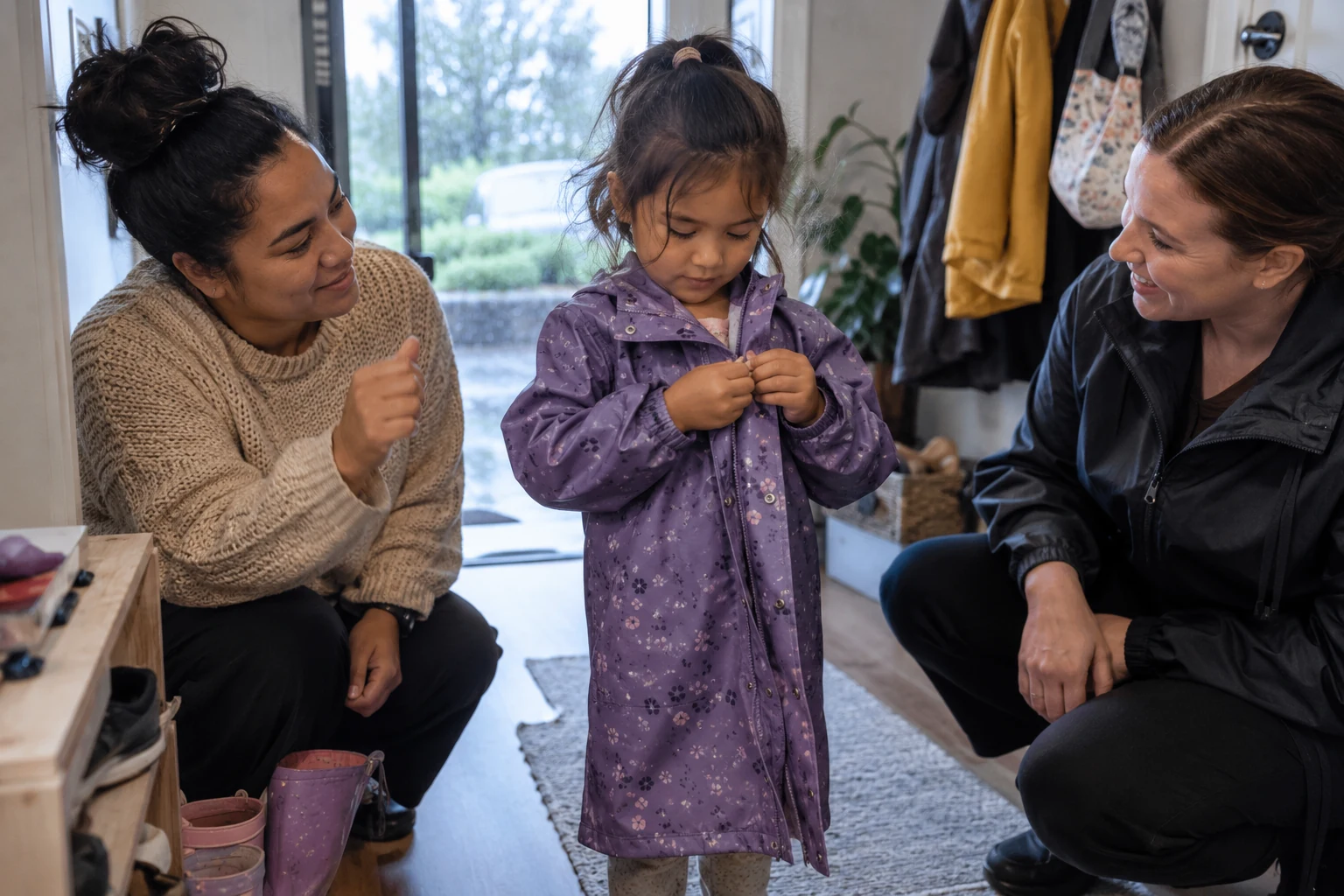

Support Around Everyday Development and Participation

Every Child and Family Is Different

Families may seek Early Childhood Supports where a child has disability-related or developmental support needs affecting everyday participation.

This may include challenges with:

  • Communicating wants and needs
  • Understanding language
  • Playing with others
  • Moving around safely
  • Participating in routines
  • Eating or mealtime participation
  • Developing self-care skills
  • Joining early learning activities
  • Managing transitions
  • Building confidence in everyday environments

A diagnosis alone does not tell us what support a child needs. We focus on the child's functional needs, strengths, participation and family priorities.

Understanding the Broader NDIS Pathway

The NDIS early childhood approach supports children younger than 9 and their families.

Under the current NDIS approach, children younger than 6 with developmental delay or developmental concerns, and children younger than 9 with disability, may be supported through the early childhood approach.

The NDIS early childhood approach is delivered through NDIS early childhood partners and the NDIA.

National Disability Service Provider is a service provider. We do not describe ourselves as an NDIS Early Childhood Partner unless separately appointed by the NDIA to perform that role.

Families who need help understanding NDIS access or the early childhood approach can also contact the NDIS or the relevant early childhood partner in their area.

Different Purpose, Different Role

Early Childhood Supports are not ordinary childcare, babysitting or general supervision.

Childcare and early education services provide education and care for children as part of mainstream early childhood systems.

NDIS-funded Early Childhood Supports focus on disability-related functional needs, development, participation and capacity building.

A child may attend childcare, kindergarten, preschool or school while also receiving disability-related support where appropriate.

Families Know Their Child Best

Families and carers hold important knowledge about the child, including:

  • What the child enjoys
  • How the child communicates
  • Daily routines
  • Family priorities
  • What is working well
  • What is difficult
  • Cultural and language needs
  • What the family would like to change

Where appropriate, we work with families to identify practical goals and strategies that fit everyday life.

Build From What the Child Can Already Do

Support should not focus only on difficulties.

We also look at:

  • Interests
  • Motivation
  • Relationships
  • Existing skills
  • Preferred activities
  • Successful routines
  • Communication strengths
  • Family strengths

These strengths can provide a foundation for further learning and participation.

Skills Are Most Useful When They Work in Real Life

Depending on the service, goals and availability, support may take place in environments such as:

  • Home
  • Early learning settings
  • Kindergarten or preschool
  • Community settings
  • Parks
  • Play environments
  • Other appropriate everyday locations

The aim is not simply to practise a skill in isolation, but to help the child use skills in meaningful everyday situations.

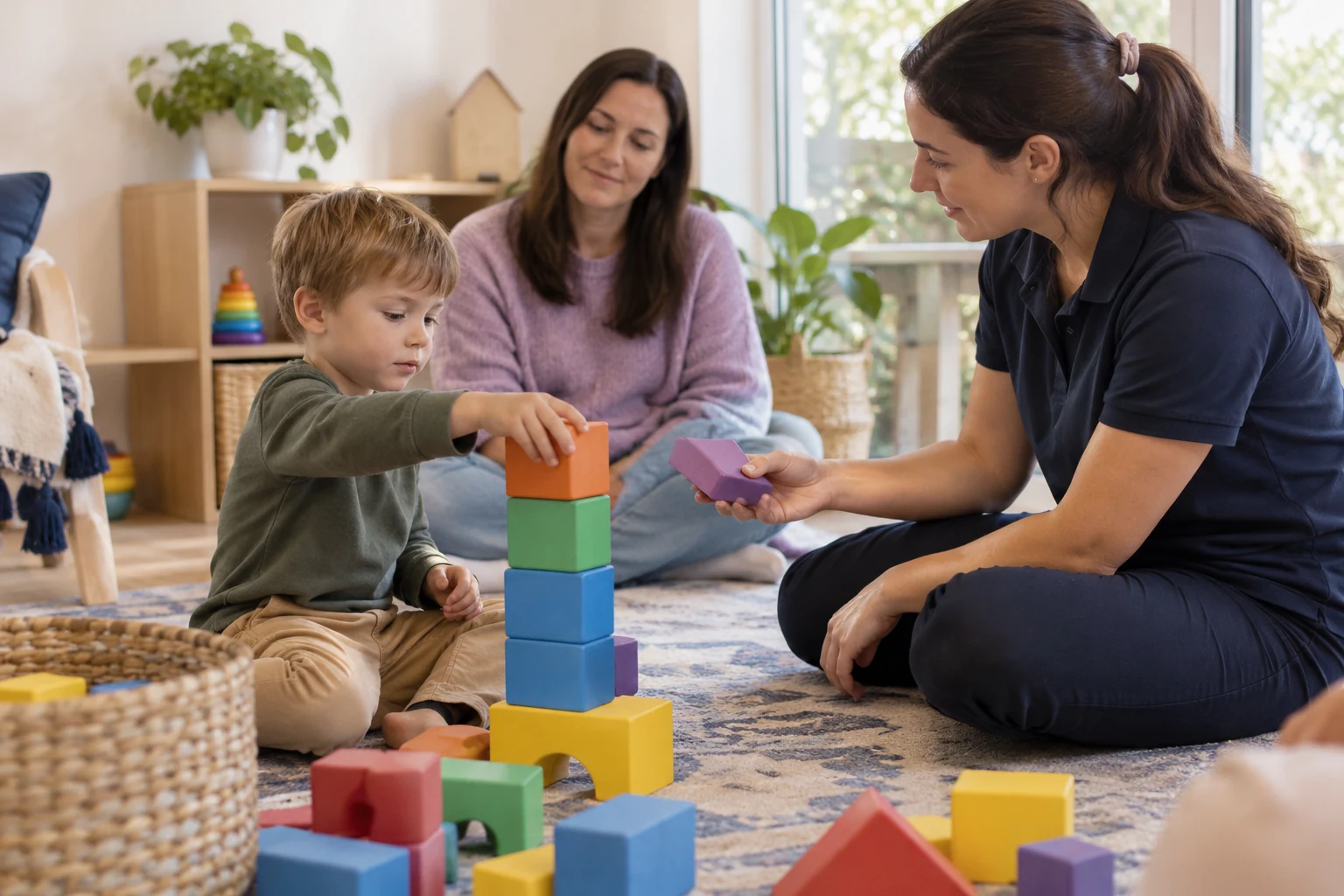
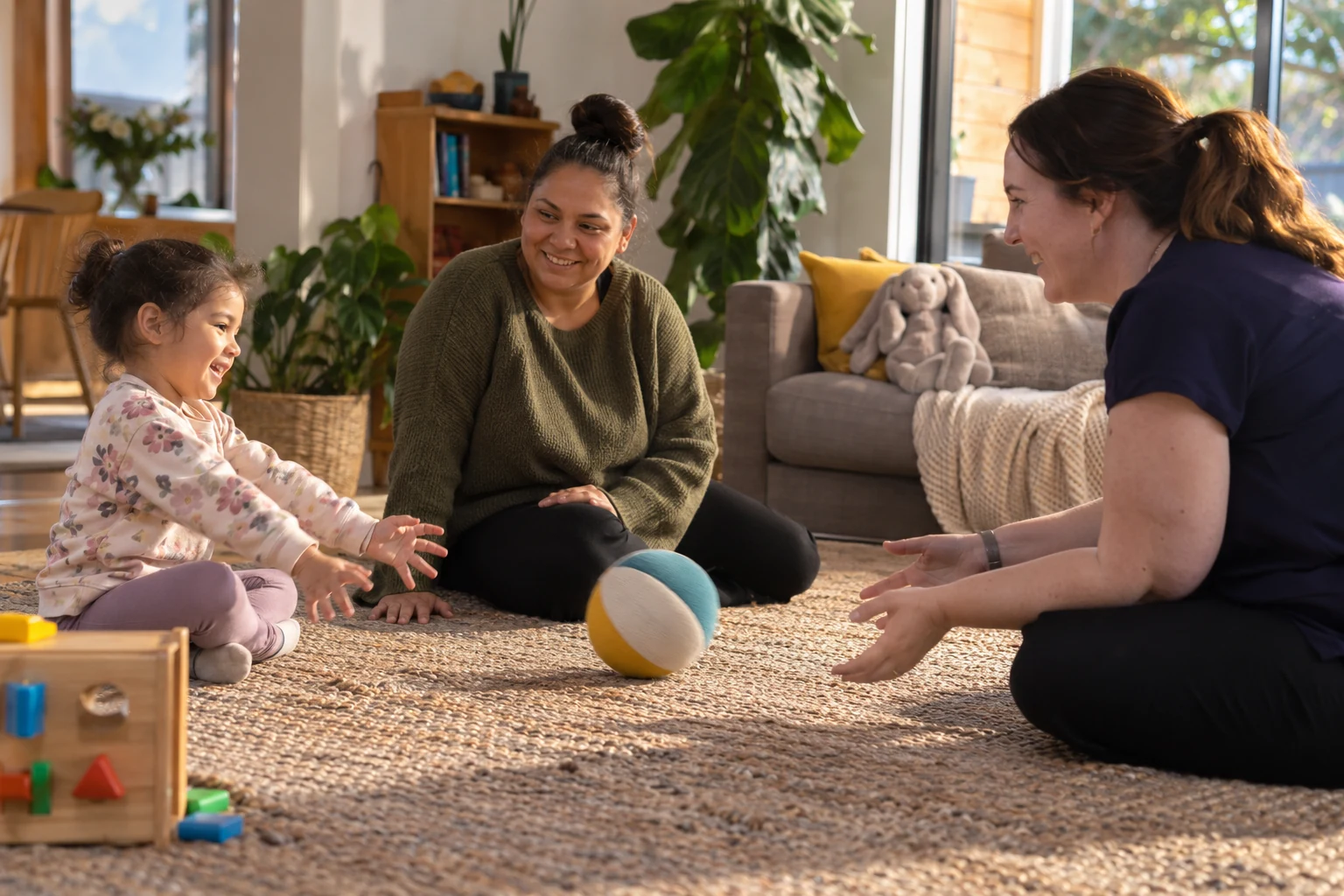
Play Is an Important Part of Development

For young children, play can provide opportunities to develop:

  • Communication
  • Imagination
  • Problem-solving
  • Social interaction
  • Movement
  • Turn-taking
  • Confidence
  • Emotional regulation
  • Attention
  • Independence

Support activities should be developmentally appropriate and connected to the child's interests wherever possible.

Helping Children Express and Understand

Helping Children Express and Understand

Communication support may focus on functional everyday communication.

Depending on the child's needs, this may include:

  • Understanding language
  • Expressing wants and needs
  • Using words, sounds or gestures
  • Taking turns in communication
  • Social communication
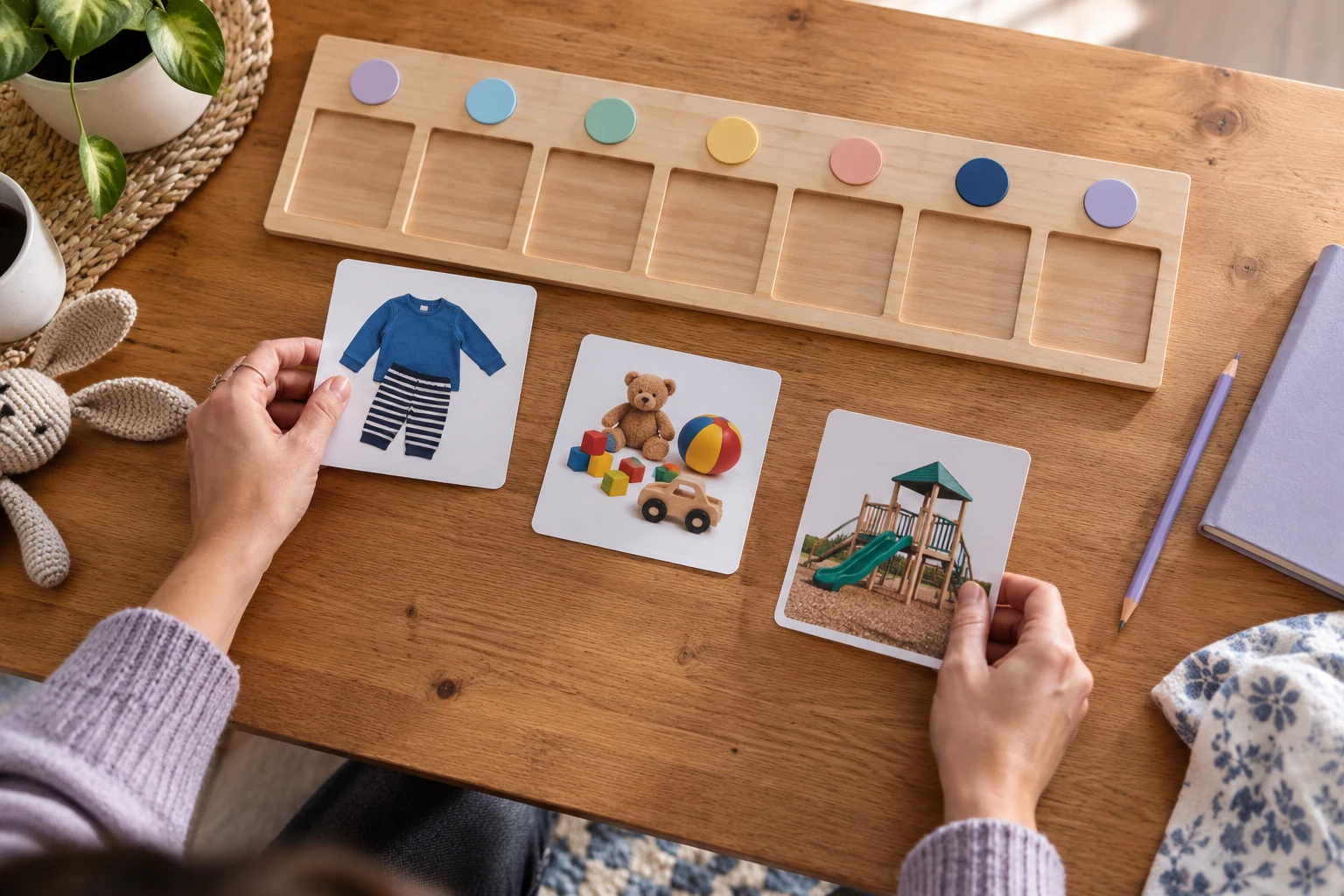
  • Using visual supports
  • Using communication devices or systems where recommended

Where relevant, communication strategies may be developed in collaboration with appropriately qualified professionals.

Connecting With Other People

Support may help children participate more confidently with:

  • Parents and carers
  • Siblings
  • Other children
  • Educators
  • Community members

Goals may include joining play, sharing attention, taking turns, asking for help or participating in group routines.

Supporting Everyday Movement

Some children may need support with movement, positioning or participation in physical activities.

Depending on the child's needs, support may relate to:

  • Mobility
  • Balance
  • Coordination
  • Gross motor skills
  • Fine motor skills
  • Accessing play environments
  • Participating in daily routines
  • Using recommended equipment

Where professional assessment is required, support should be guided by appropriately qualified practitioners.

Building Participation in Everyday Activities

Early childhood support may help a child participate more actively in routines such as:

  • Getting dressed
  • Eating and drinking
  • Toileting
  • Washing
  • Packing belongings
  • Moving between activities
  • Sleep or bedtime routines where relevant
  • Helping with simple everyday tasks

The aim is to build participation and independence at a pace appropriate for the child.

Understanding and Supporting the Child

Some children need additional support to manage emotions, transitions or sensory experiences.

Support may include helping families and other people around the child to:

  • Recognise communication cues
  • Identify triggers
  • Prepare for transitions
  • Use predictable routines
  • Support calming strategies
  • Reduce unnecessary environmental barriers
  • Respond consistently

Where behaviour is complex or there are significant safety concerns, additional professional assessment may be required.

Goals Should Matter in Everyday Life

Useful early childhood goals are practical and connected to participation.

Examples may include:

  • Communicating choices during meals
  • Joining play with another child
  • Participating in dressing
  • Walking safely into kindergarten
  • Following a familiar routine
  • Asking for help
  • Taking part in family outings
  • Managing a transition with less support

Goals should reflect the child's needs and family priorities rather than being based only on standard developmental checklists.

Support Does Not Stop When the Session Ends

A key part of early childhood support can be helping families use practical strategies during everyday routines.

This may include:

  • Modelling strategies
  • Explaining why a strategy may help
  • Practising during real routines
  • Adapting activities
  • Supporting communication
  • Using visual supports
  • Reviewing what works
  • Building confidence to respond to the child's needs

A Child May Have More Than One Support

With appropriate consent, we may work alongside relevant professionals and services, such as:

  • Occupational Therapists
  • Speech Pathologists
  • Physiotherapists
  • Psychologists
  • Paediatricians or medical professionals
  • Dietitians
  • Social workers
  • Early childhood educators
  • Teachers
  • Other disability providers

Collaboration should reduce unnecessary duplication and help important strategies work across different environments.

Supporting Participation Where the Child Learns and Plays

Where appropriate and authorised, relevant strategies may be shared with childcare, kindergarten, preschool or other early learning settings.

This may help support:

  • Communication
  • Transitions
  • Participation in routines
  • Social interaction
  • Access to activities
  • Use of visual supports
  • Consistency between home and early learning

Any information sharing should respect consent and privacy requirements.

Preparing for Change

Preparing for Change

Young children experience many transitions, including:

  • Starting childcare
  • Starting kindergarten or preschool
  • Moving rooms or groups
  • Starting school
  • Changing providers
  • Moving home
  • Changes in family routines

Support may help the child and family prepare for changes using practical strategies, information sharing and gradual preparation.

Understanding What the Child Needs Now

Depending on the requested support, assessment may involve:

  • Family discussion
  • Observation
  • Review of everyday routines
  • Functional information
  • Existing professional reports
  • Strengths and interests
  • Barriers to participation
  • Environmental factors

Assessment should lead to practical recommendations and support planning, not simply describe difficulties.

Goals and strategies should be reviewed as the child develops and circumstances change.

Professional Input Where Required

Some children may also require Therapeutic Supports from appropriately qualified professionals.

Depending on current practitioner availability and the child's needs, relevant disciplines may include:

  • Occupational Therapy
  • Speech Pathology
  • Physiotherapy
  • Psychology
  • Dietetics
  • Social Work
  • Developmental Education
  • Other relevant disciplines

Professional availability varies by location and should be confirmed for each referral.

Practical Supports for Participation

Some children may benefit from assistive technology, communication tools or equipment.

Where relevant, this may require:

  • Professional assessment
  • Trials
  • Recommendations
  • Funding consideration
  • Training for family members or support people
  • Review as the child grows

NDSP does not assume that every recommended item will be funded by the NDIS.

Safety, Dignity and Rights

Children receiving disability supports have the right to feel safe and be treated with dignity and respect.

Safe service planning may consider:

  • Appropriate worker screening
  • Supervision
  • Professional boundaries
  • Consent and authority
  • Health needs
  • Allergies
  • Medication
  • Mobility
  • Communication
  • Behaviour-related risks
  • Emergency information
  • Environment

Any immediate or life-threatening emergency should be directed to 000.

Tell Us About the Child and Family Priorities

Helpful referral information may include:

  • Child's age
  • Location
  • Reason for referral
  • Strengths and interests
  • Family priorities
  • Communication
  • Play and social participation
  • Daily routines
  • Mobility
  • Current early childhood or school setting
  • Existing professionals
  • Relevant assessments
  • Preferred contact person
  • Relevant NDIS funding information

You do not need to provide every document before making an initial referral.

Share What Is Useful

Depending on the requested support, useful documents may include:

  • Developmental assessments
  • Functional assessments
  • Speech Pathology reports
  • Occupational Therapy reports
  • Physiotherapy reports
  • Psychology reports
  • Paediatric reports
  • Early childhood or school information where relevant
  • Relevant support plans

Only information relevant to the support being requested should be shared.

From Enquiry to Support

Step 1 - Referral Received

Step 1 - Referral Received

We review the initial information.

Step 2 - Initial Discussion

Step 2 - Initial Discussion

We speak with the family or authorised contact about priorities and needs.

Step 3 - Information Review

Step 3 - Information Review

We identify any additional information or assessment required.

Step 4 - Service Suitability

Step 4 - Service Suitability

We determine whether the requested support can be appropriately provided.

Step 5 - Support Planning

Step 5 - Support Planning

Goals, service format, frequency and relevant arrangements are discussed.

Step 6 - Service Commencement

Step 6 - Service Commencement

Support begins after the required arrangements are confirmed.

Submitting a referral does not automatically confirm service availability or commencement.

Tell Us Where Support Is Needed

We welcome Early Childhood Supports enquiries from across Australia.

Actual availability depends on factors such as:

  • Child's location
  • Requested service
  • Practitioner availability
  • Worker availability
  • Required professional discipline
  • Service format
  • Travel
  • Funding
  • Current capacity

Service Addresses:

Victoria: 113/1510 Pascoe Vale, Coolaroo VIC 3048

South Australia: 97 Sir Donald Bradman Dr, Hilton SA 5033

Phone: 1800 896 599

Email: services@ndsprovider.com.au

Australia-wide enquiries:

FREQUENTLY ASKED QUESTIONS

No. Early Childhood Supports focus on disability-related or developmental needs, functional participation and capacity building. They are not ordinary childcare or babysitting.

NDSP should not be described as an NDIS Early Childhood Partner unless the NDIA has formally appointed the organisation to that role. NDSP provides disability supports as a service provider.

The current NDIS early childhood approach supports children younger than 9 and their families. Different eligibility and early connection arrangements can apply depending on the child's age and circumstances.

A diagnosis is not the only information relevant to early childhood support. Functional needs, development, participation and family priorities are important. NDIS access requirements are determined through the NDIS process.

Depending on the service, goals and availability, support may be provided in the home or other appropriate everyday environments.

Where appropriate, authorised and relevant to the child's goals, we may collaborate with early learning or education professionals. Consent and privacy requirements apply.

Yes. Family involvement is an important part of a family-centred approach. The level of involvement should reflect the child's needs, family circumstances and service arrangements.

Yes. Parents and authorised family members can make an initial enquiry or referral.

Yes. Support Coordinators and other authorised professionals can submit a referral or contact us first to discuss service suitability.

Therapeutic Supports may be available depending on the professional discipline required, location and current practitioner availability.

Yes. We welcome Australia-wide enquiries, but actual service availability must be confirmed for the child's location and requested service.

Looking for Early Childhood Support?

Tell us about your child, what is working well, what is difficult and what you would like everyday life to look like.

Our team can review the enquiry and discuss whether an appropriate service is currently available.

Phone: 1800 896 599

Email: services@ndsprovider.com.au