Families & Carers

Working Together While Keeping the Participant at the Centre

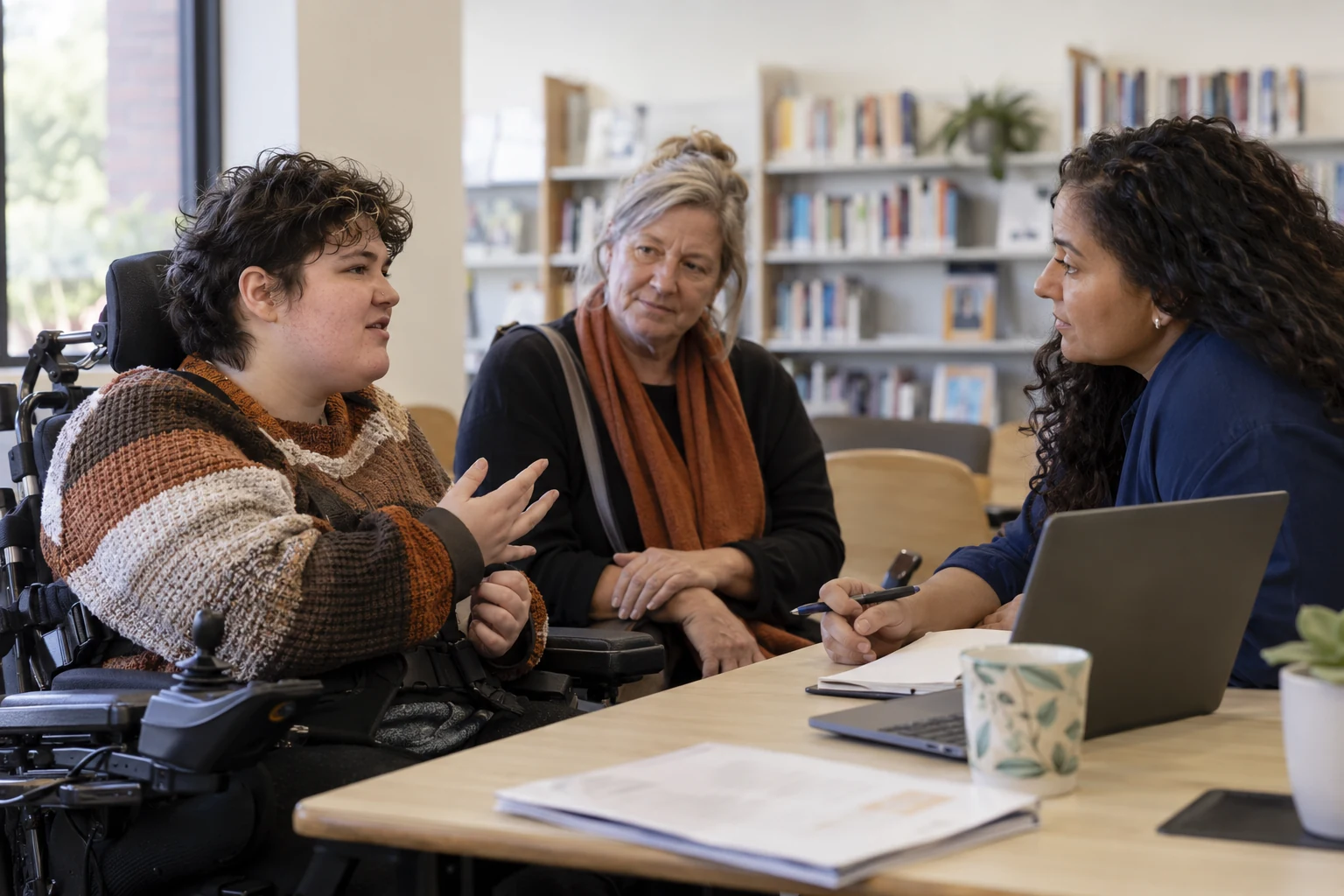
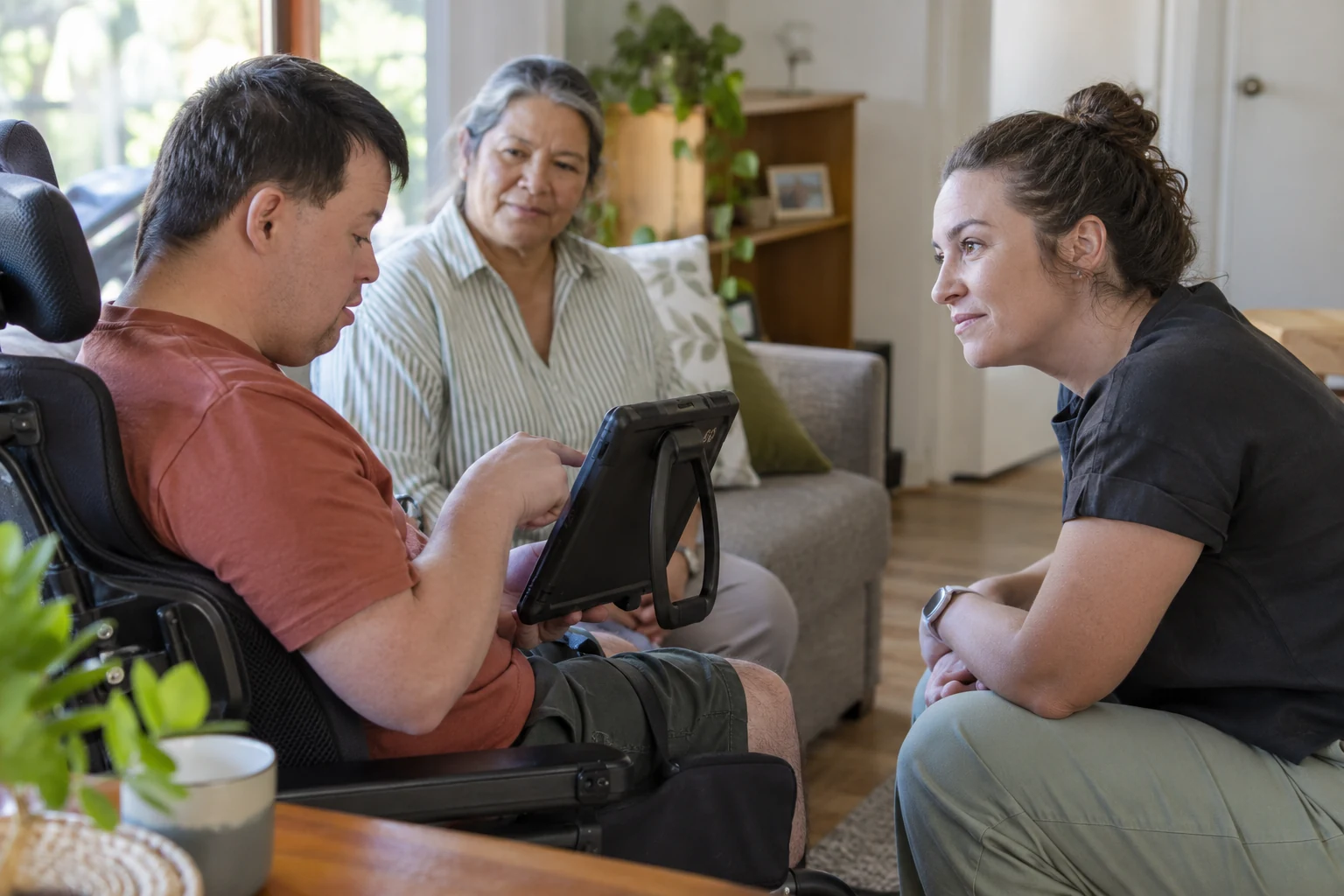
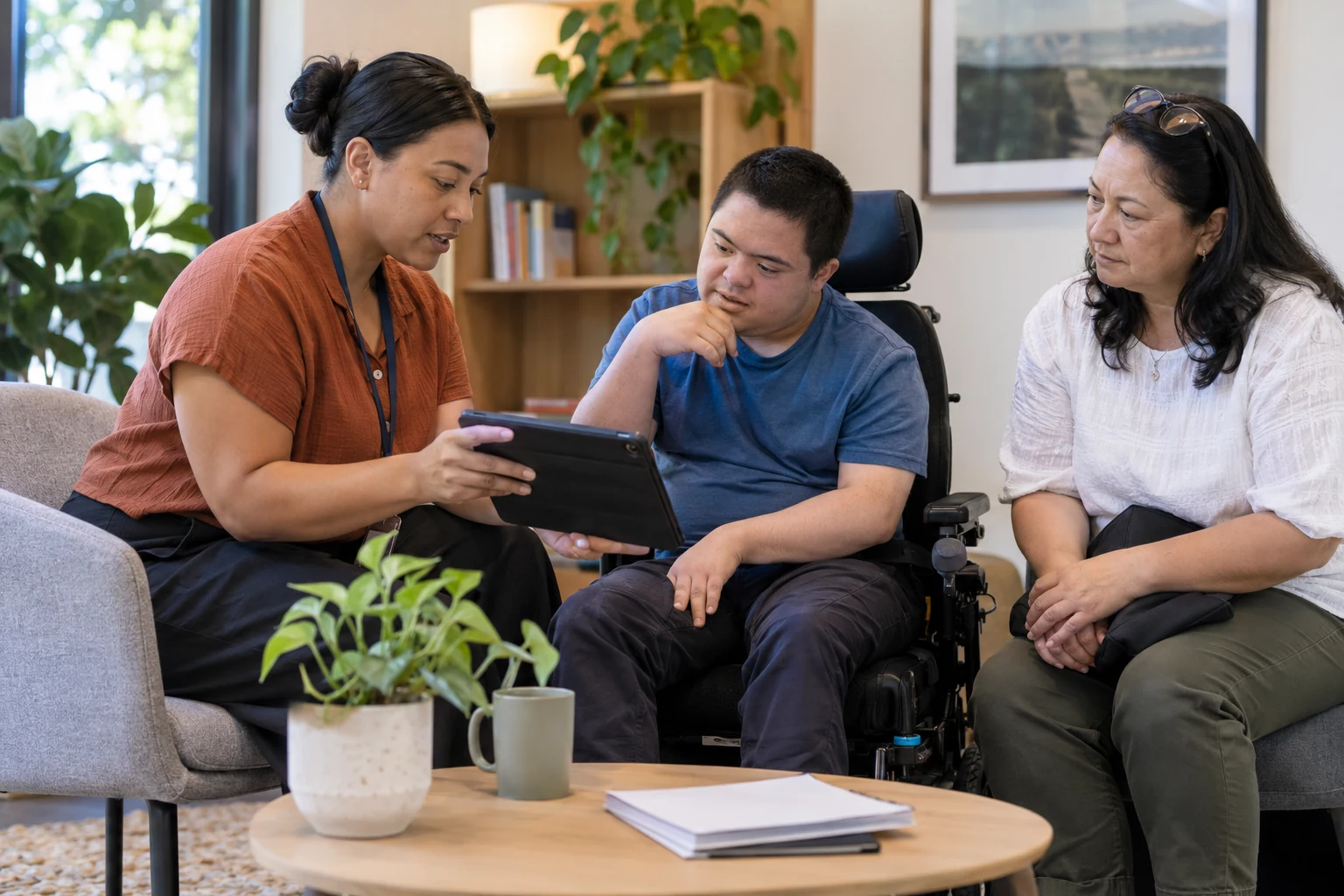
Families, carers and trusted people can play an important role in a participant's everyday life.

Families & Carers

At National Disability Service Provider, we recognise the knowledge, experience and support that families and carers can bring.

At the same time, the participant's rights, choices, preferences, privacy and independence remain central to how we work.

Whether you are helping someone find a provider, coordinating support, attending meetings or supporting them through changes in life, our team aims to communicate clearly and work collaboratively.

Family and carer enquiries welcome Australia-wide.

Phone: 1800 896 599

Working Together. Supporting Choice.

Families matter. Carers matter. The participant remains at the centre.

Collaboration Around the Participant

Good support rarely happens in isolation.

Depending on the participant's circumstances and preferences, their support network may include:

  • Family members
  • Parents
  • Partners
  • Carers
  • Nominees
  • Guardians
  • Advocates
  • Support Coordinators
  • Plan Managers
  • Allied health professionals
  • Nurses
  • Medical professionals
  • Early childhood professionals
  • Other providers
  • Friends and trusted people

Where appropriate consent or authority is in place, we can work collaboratively with the people who are important to the participant.

The participant remains at the centre of the support relationship.

Collaboration Around the Participant
Support With the Person - Not Around Them

Support With the Person - Not Around Them

Family involvement can be valuable, but the participant should be included in decisions about their own life wherever possible.

We aim to support:

  • Choice
  • Control
  • Dignity
  • Privacy
  • Independence
  • Communication
  • Personal preferences
  • Cultural identity
  • Relationships
  • Decision-making
  • Participation

This means listening directly to the participant and supporting them to express what they want in a way that works for them.

There Is No One Right Level of Involvement

There Is No One Right Level of Involvement

Some participants want their family closely involved in most aspects of their support.

Others prefer more independence.

A family member may:

  • Help find services
  • Attend meetings
  • Help explain information
  • Support communication
  • Assist with appointments
  • Share relevant background information
  • Help monitor support arrangements
  • Assist with decision-making
  • Coordinate with providers
  • Support transitions
  • Help raise concerns

The appropriate level of involvement depends on the participant's circumstances, wishes and any relevant legal or formal authority.

We Need to Know Who We Can Speak With

We Need to Know Who We Can Speak With

For adult participants, being a parent, partner, sibling or other family member does not automatically mean that we can share all participant information with you.

Before discussing private information, we may need to confirm:

  • The participant's consent
  • What information can be shared
  • Who information can be shared with
  • What actions another person is authorised to take
  • Whether consent has any limits
  • Whether a nominee or other formal representative is involved
  • Whether another legal authority applies

This protects the participant's privacy and choice.

Consent Can Be Specific

Consent Can Be Specific

A participant may choose to allow someone to:

  • Receive certain information
  • Participate in certain meetings
  • Discuss particular services
  • Help arrange appointments
  • Communicate with specific providers
  • Assist with support planning

Consent does not always need to mean access to everything.

Where relevant, the participant may choose the scope of information that can be shared and the people who can receive it.

Preferences May Change Over Time

Preferences May Change Over Time

A participant may decide to change who is involved in their support.

This could include changing:

  • Who we communicate with
  • What information can be shared
  • How long consent lasts
  • What another person can do on their behalf
  • Who attends meetings
  • Who receives service information

Where appropriate, we will update our records when consent or authority changes.

Supporting Decision-Making

Supporting Decision-Making

Some adult NDIS participants have a nominee.

A nominee may have authority to assist with certain NDIS decisions or correspondence.

Depending on the type of nominee and their authority, they may assist with matters relating to:

  • NDIS planning
  • Plan decisions
  • Funding arrangements
  • Correspondence
  • Communication
  • Support arrangements

A nominee's role should still recognise the participant's wishes, preferences and wellbeing.

Where possible, participants should continue to be involved in decisions that affect their lives.

Understanding Who Has Authority

Understanding Who Has Authority

Some participants may have a guardian or another person with formal decision-making authority.

The scope of that authority may differ between individuals.

Where relevant, we may need to understand:

  • Who the authorised person is
  • What decisions they can make
  • What documents establish their authority
  • Whether the authority applies to the particular decision or service
  • Whether any limitations apply

We do not assume that one form of authority automatically covers every decision.

Working With the Child and Their Family

Working With the Child and Their Family

For children and young people, parents, guardians or child representatives often play an important role in making decisions and coordinating support.

However, the child's:

  • Voice
  • Preferences
  • Interests
  • Strengths
  • Communication
  • Development
  • Safety
  • Relationships

should still be recognised.

As children develop, we encourage appropriate opportunities for them to express preferences and participate in decisions about their support.

Communication May Look Different for Different People

Communication May Look Different for Different People

Not every participant communicates in the same way.

A participant may communicate through:

  • Speech
  • Gestures
  • Facial expressions
  • Behaviour
  • Communication devices
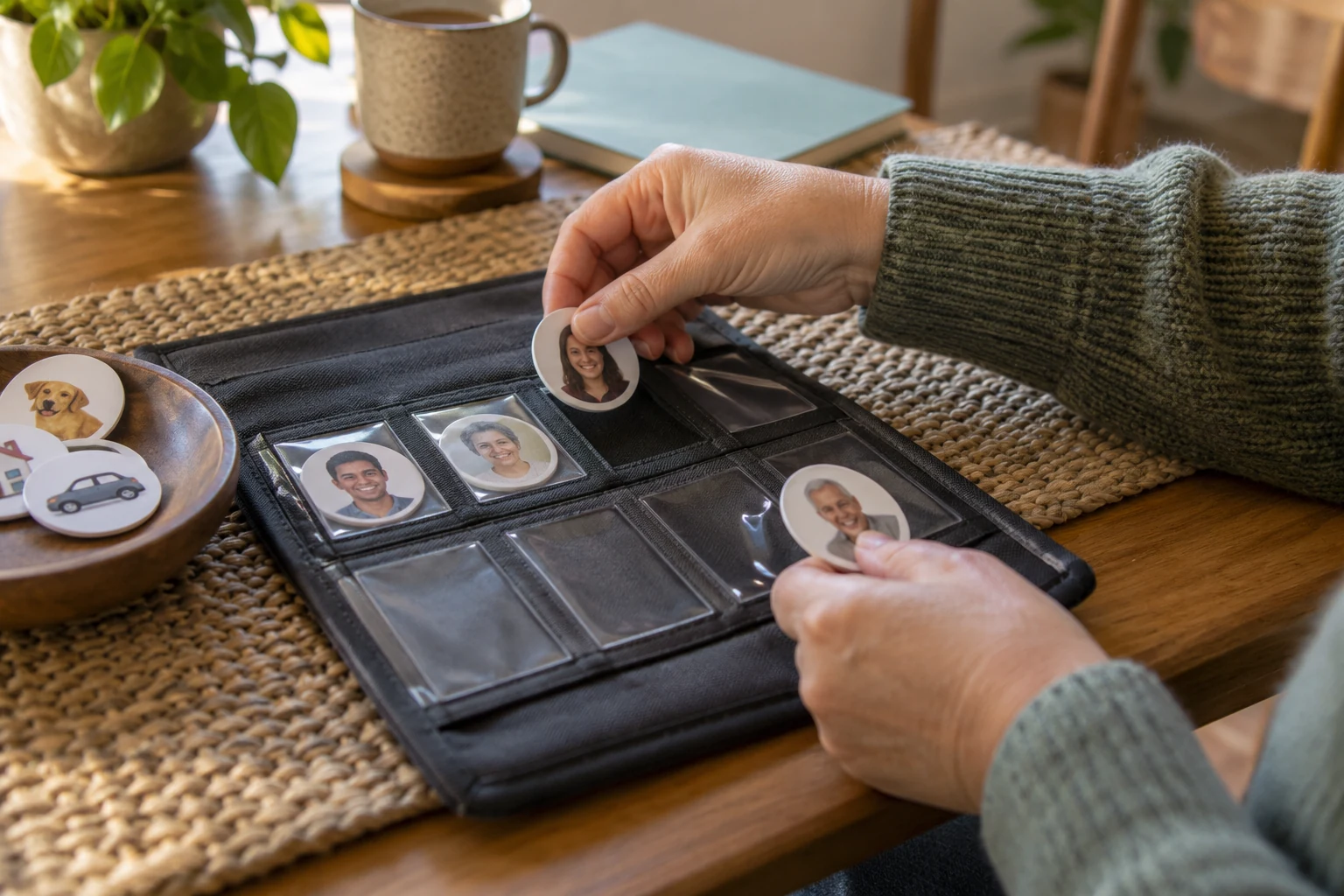
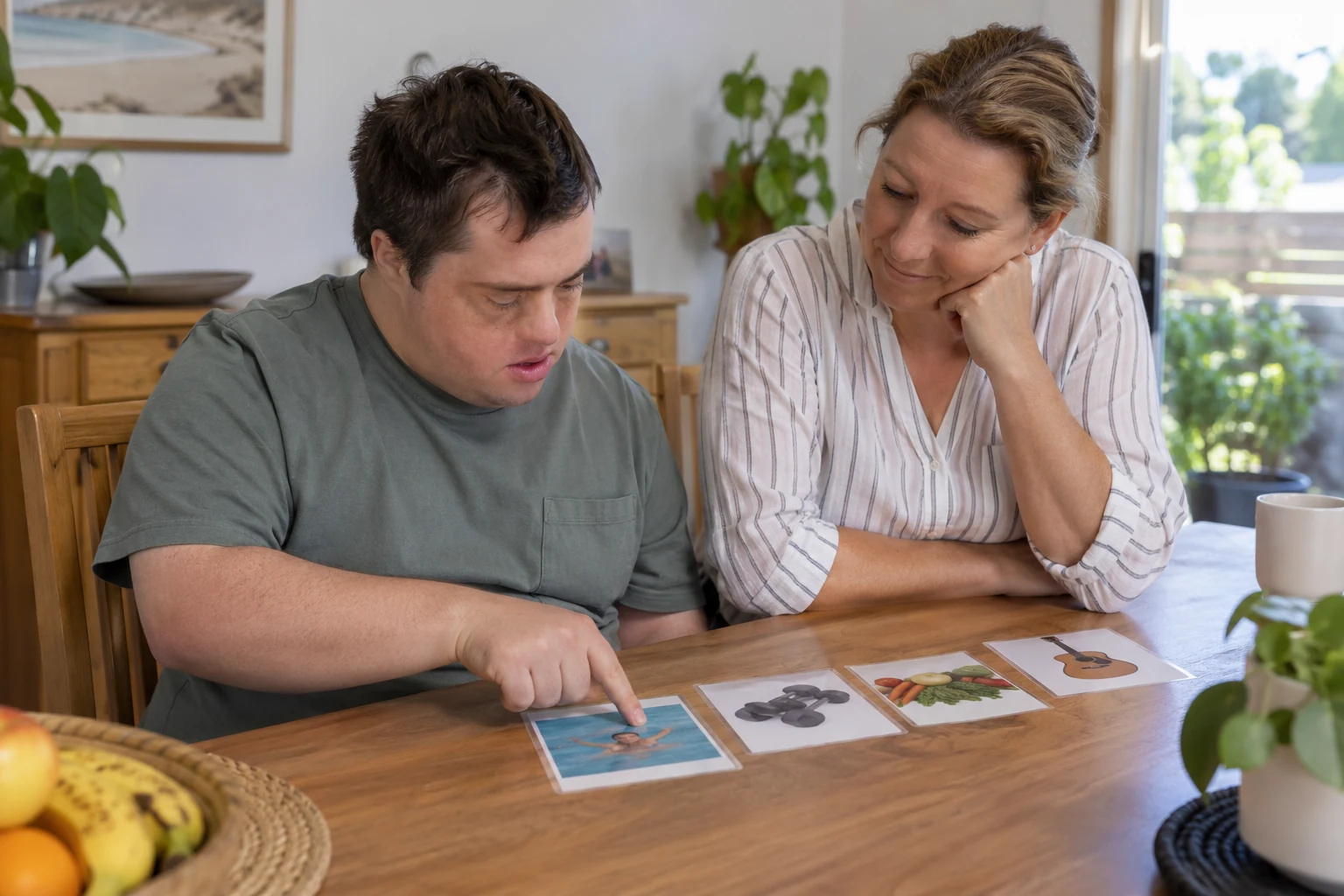
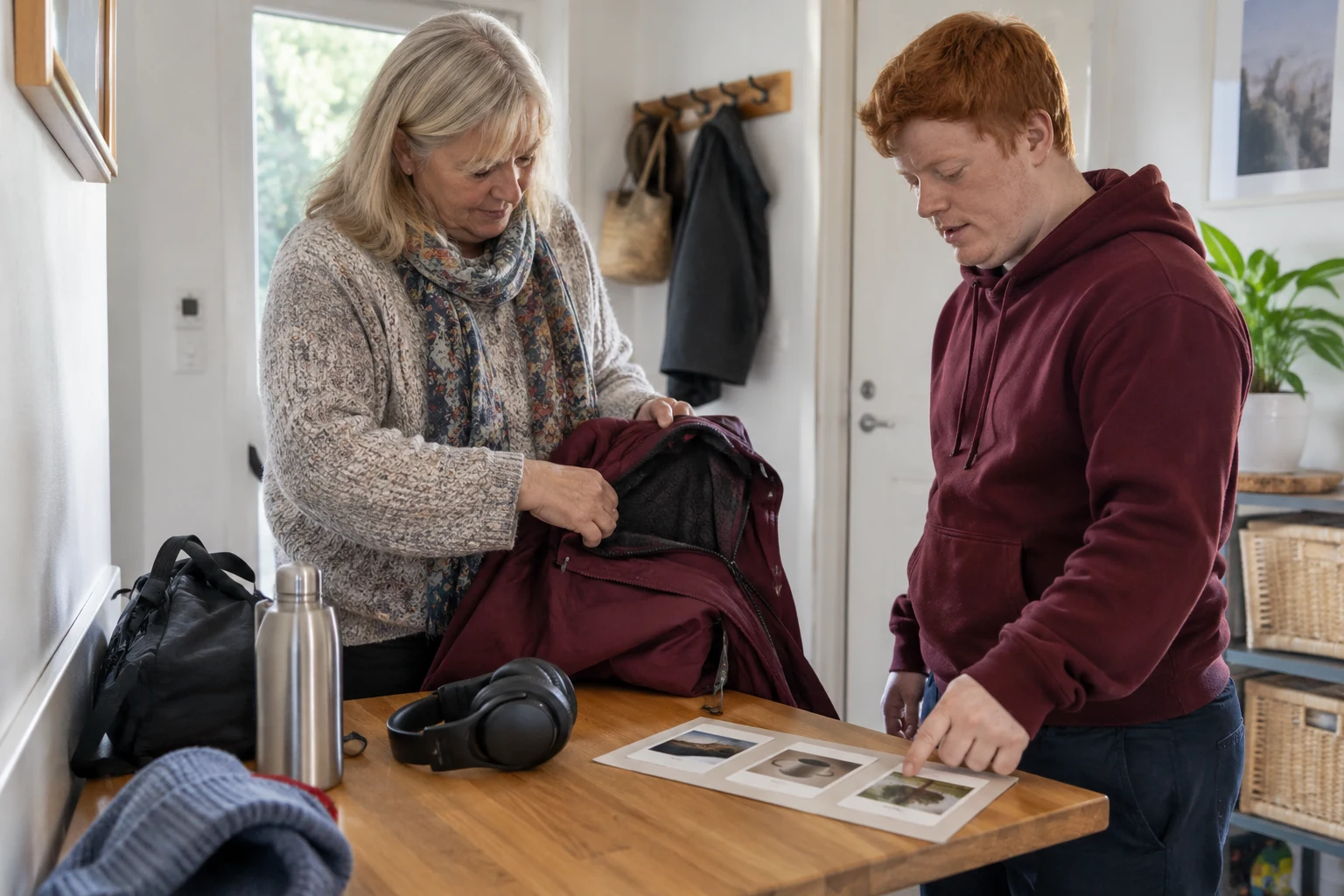
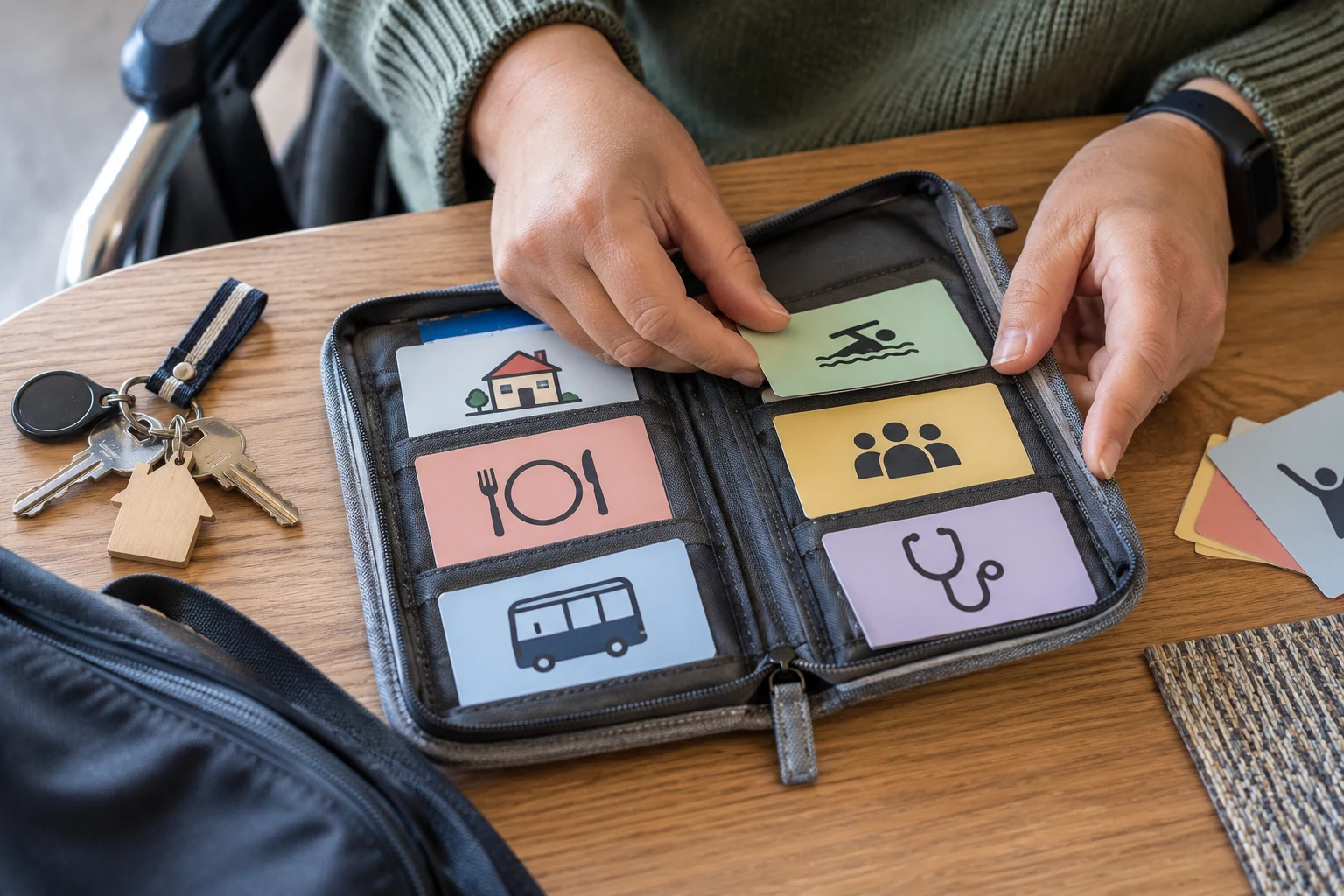
  • Pictures
  • Visual supports
  • Sign language
  • Written communication
  • Supported communication
  • Familiar routines or responses

Families and carers can provide valuable information about how the participant communicates.

We also aim to build our own understanding of the participant rather than relying entirely on another person to speak for them.

Families Often Know the Person Best

Families Often Know the Person Best

Families and long-term carers may have valuable knowledge about:

  • Communication
  • Daily routines
  • Likes and dislikes
  • Sensory preferences
  • Health needs
  • Behaviour
  • Mobility
  • Personal care
  • Cultural practices
  • Important relationships
  • Safety risks
  • Signs of discomfort
  • Effective support strategies
  • Past experiences

Where relevant and with appropriate consent or authority, sharing this information can help us understand how to provide safer and more personalised support.

Support Is Not Only About Problems

Support Is Not Only About Problems

When discussing a participant's needs, it can be easy to focus only on what is difficult.

We also want to understand:

  • What the participant enjoys
  • What they are good at
  • What makes them feel comfortable
  • What motivates them
  • What already works
  • What independence they already have
  • What routines they prefer
  • What relationships are important
  • What goals they are excited about

Strengths are an important part of good support planning.

Support Without Taking Over

Support Without Taking Over

Family support can be essential.

However, where appropriate, support can also create opportunities for the participant to do more for themselves.

This may include helping them:

  • Make choices
  • Express preferences
  • Learn everyday skills
  • Manage routines
  • Communicate needs
  • Use community services
  • Build relationships
  • Travel more independently
  • Manage parts of their NDIS support
  • Develop confidence

Independence does not mean removing support.

It means supporting greater capability, choice and participation wherever possible.

They May Not Always Be the Same

They May Not Always Be the Same

Families naturally want the best for the person they support.

Sometimes a family member and participant may have different views about:

  • Goals
  • Activities
  • Risk
  • Independence
  • Living arrangements
  • Community participation
  • Workers
  • Daily routines
  • Relationships
  • Future plans

Where the participant can make their own decisions, their preferences remain central.

Our role is not to choose sides.

Where appropriate, we aim to support communication, understand different perspectives and keep the participant's rights and wellbeing at the centre.

Supporting Choice While Considering Safety

Supporting Choice While Considering Safety

Everyday life involves some level of risk.

Supporting a person with disability does not mean removing every possible risk from their life.

Where appropriate, we aim to balance:

  • Safety
  • Choice
  • Independence
  • Participant preferences
  • Professional recommendations
  • Known risks
  • Reasonable safeguards

Risk planning should support the participant to live their life, not unnecessarily prevent participation.

Important Information Can Support Safer Services

Important Information Can Support Safer Services

Families and carers may be able to help us understand relevant risks such as:

  • Falls
  • Mobility
  • Manual handling
  • Medication
  • Allergies
  • Seizures
  • Swallowing
  • Communication difficulties
  • Behaviours of concern
  • Wandering or absconding
  • Community safety
  • Transport
  • Equipment
  • Environmental risks
  • Emergency procedures
  • Other participant-specific concerns

Please tell us about information that may affect how support needs to be delivered.

For some services, additional clinical plans, professional assessments or risk documentation may be required.

Share Information That Is Relevant to the Service

Share Information That Is Relevant to the Service

Depending on the support being provided, we may need relevant information about:

  • Medical conditions
  • Disability-related health needs
  • Medications
  • Allergies
  • Seizures
  • Swallowing
  • Continence
  • Wound care
  • Mobility
  • Behaviour support
  • Nutrition
  • Emergency management
  • Clinical procedures

The information required depends on the service.

We should not request unrelated information simply because someone is an NDIS participant.

Please Let Us Know

Please Let Us Know

A participant's circumstances may change over time.

Tell us if relevant changes occur involving:

  • Health
  • Medication
  • Mobility
  • Behaviour
  • Living arrangements
  • Family circumstances
  • NDIS funding
  • Goals
  • Other providers
  • Hospital admission
  • Discharge
  • Equipment
  • Risk
  • Communication
  • Contact details
  • Consent or authorised representatives

This helps us review whether current support arrangements remain appropriate.

Keeping Support Connected

Keeping Support Connected

Participants may receive services from several organisations at the same time.

With appropriate consent, we may work with:

  • Support Coordinators
  • Plan Managers
  • Allied health professionals
  • Nurses
  • Behaviour Support Practitioners
  • SIL providers
  • Hospitals
  • Medical teams
  • Early childhood professionals
  • Schools
  • Community services
  • Other NDIS providers

Good communication can help reduce duplication, gaps and conflicting approaches.

You Can Ask for Support Too

You Can Ask for Support Too

Supporting a person with disability can involve significant coordination.

You do not necessarily need to manage every part of the participant's services yourself.

Depending on the participant's NDIS plan and circumstances, other supports may help with:

  • Finding providers
  • Coordinating services
  • Managing invoices
  • Understanding funding
  • Organising appointments
  • Building participant independence
  • Connecting with community supports

If you are unsure which service may help, talk to our team.

Helping Bring Supports Together

Helping Bring Supports Together

Where funded and appropriate, Support Coordination may assist a participant to:

  • Understand their NDIS plan
  • Connect with providers
  • Coordinate different supports
  • Address barriers
  • Prepare for changes
  • Build confidence managing their services
  • Strengthen informal and community supports

Families and carers may be involved where the participant wants this or where appropriate authority exists.

Making NDIS Financial Administration Easier

Making NDIS Financial Administration Easier

Plan Management may assist with:

  • Processing provider invoices
  • Paying providers
  • Monitoring NDIS budgets
  • Providing statements
  • Maintaining financial records
  • Helping participants understand spending

This can reduce some of the administrative work involved in managing NDIS supports.

Help During Periods of Change

Help During Periods of Change

Families may contact us when the participant is experiencing a major change.

This could include:

  • Leaving the family home
  • Moving house
  • Starting shared living
  • Returning home after hospital
  • Building greater independence
  • Starting new community activities
  • Changing providers
  • Transitioning between services
  • Developing new routines
  • Preparing for a new stage of life

Depending on the participant's plan and needs, different NDSP services may support different parts of the transition.

Planning for What Comes Next

Planning for What Comes Next

Hospital admission or discharge can create new support needs.

Where appropriate and with relevant consent or authority, we may communicate with:

  • The participant
  • Family
  • Hospital teams
  • Support Coordinators
  • Allied health professionals
  • Community nurses
  • Existing providers
  • Other relevant professionals

Before services commence or resume, we may need updated information about:

  • Health
  • Mobility
  • Medication
  • Equipment
  • Clinical needs
  • Support requirements
  • Risks
  • Discharge recommendations

The purpose is to understand whether we can safely provide the required service following discharge.

Know Who to Contact

Know Who to Contact

NDSP provides disability support services, but we are not an emergency service.

For an immediate or life-threatening emergency, contact 000.

Families and carers should also ensure we have relevant information about participant-specific emergency arrangements where these affect the service.

This may include:

  • Emergency contacts
  • Health action plans
  • Seizure plans
  • Allergy or anaphylaxis plans
  • Emergency medication
  • Behaviour-related safety plans
  • Evacuation considerations
  • Other participant-specific instructions
Please Speak Up

Please Speak Up

Families and carers can raise concerns about the quality or safety of support.

You may contact us if you are concerned about:

  • Worker conduct
  • Communication
  • Reliability
  • Safety
  • Billing
  • Privacy
  • Service quality
  • Participant dignity
  • Support arrangements
  • Staff behaviour
  • Any other aspect of the service

Where the concern relates to a participant, we will consider the participant's rights, privacy, preferences and any relevant consent or authority when responding.

Raising a Concern Should Feel Safe

Raising a Concern Should Feel Safe

A participant, family member, carer or other person can raise a concern about NDIS supports or services.

We aim to provide an accessible complaints process and respond appropriately to concerns.

If you do not feel comfortable raising the issue directly with us, or you are not satisfied with the response, concerns about the quality or safety of NDIS supports and services may also be raised with the NDIS Quality and Safeguards Commission.

Independent Support Is Available

Independent Support Is Available

Sometimes a participant or family may want independent help to understand rights, communicate concerns or participate in decisions.

An independent disability advocate may be able to assist with:

  • Understanding rights
  • Preparing for meetings
  • Communicating concerns
  • Making complaints
  • Expressing the participant's views
  • Navigating complex situations

Advocacy is separate from the service provider.

Participants should be free to seek independent support when they choose.

Sustainable Support Matters

Sustainable Support Matters

Families and carers may provide significant unpaid support.

Where appropriate, formal disability supports should work alongside - not simply assume unlimited availability from - family and carers.

When planning services, it may be useful to understand:

  • What informal support currently exists
  • What family members are realistically able to provide
  • Where formal support is needed
  • What responsibilities belong to the provider
  • What arrangements are sustainable
  • Whether circumstances are changing

Clear expectations can help reduce confusion.

Working Together Respectfully

Working Together Respectfully

Where you are involved in a participant's support, we ask that you help us by:

  • Providing accurate and relevant information
  • Respecting the participant's rights and preferences
  • Advising us of important changes
  • Communicating concerns
  • Treating workers respectfully
  • Following agreed communication arrangements
  • Providing relevant plans or information where authorised
  • Supporting safe service delivery
  • Respecting professional boundaries
  • Asking questions when something is unclear

Good communication helps build a stronger support relationship.

Clear, Respectful Communication

Clear, Respectful Communication

Families and carers should be able to expect us to:

  • Treat the participant with dignity
  • Listen to relevant concerns
  • Respect privacy
  • Follow consent arrangements
  • Communicate clearly
  • Explain our services
  • Be transparent about pricing
  • Respond to feedback
  • Escalate safety concerns appropriately
  • Work collaboratively where appropriate
  • Keep the participant at the centre
  • Review support when circumstances change
Helping a Participant Connect With Support

Helping a Participant Connect With Support

A family member or carer may contact us to discuss possible services.
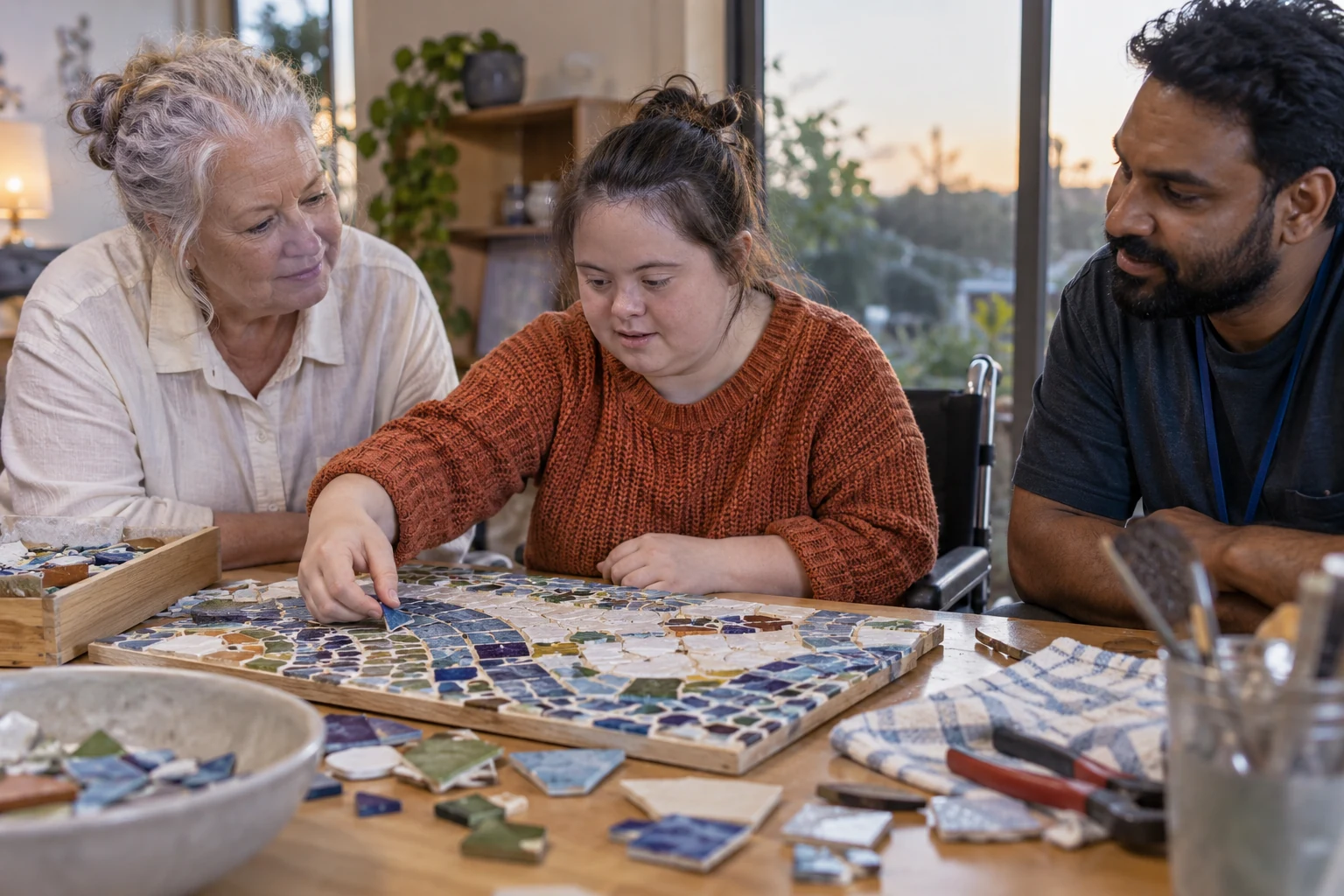
When making a referral, helpful information may include:

  • Participant name
  • Contact details
  • Location
  • Age
  • Requested service
  • NDIS funding information
  • Participant goals
  • Support needs
  • Preferred schedule
  • Communication needs
  • Relevant health information
  • Known risks
  • Current providers
  • Support Coordinator details
  • Relevant assessments
  • Desired start date

We may still need to confirm appropriate consent, authority and participant involvement before progressing certain arrangements.

A Clear Process

Step 1 - We Receive the Referral

Step 1 - We Receive the Referral

Our team reviews the information provided.

Step 2 - We Confirm Who Is Involved

Step 2 - We Confirm Who Is Involved

We clarify participant contact details, consent and relevant representatives where required.

Step 3 - We Learn About the Participant

Step 3 - We Learn About the Participant

We discuss goals, preferences, support needs and circumstances.

Step 4 - We Assess Service Suitability

Step 4 - We Assess Service Suitability

We consider funding, location, risks, workforce and service requirements.

Step 5 - Support Arrangements Are Agreed

Step 5 - Support Arrangements Are Agreed

Relevant responsibilities, services and pricing are documented.

Step 6 - Services Begin

Step 6 - Services Begin

Support starts according to agreed arrangements.

Step 7 - Ongoing Review

Step 7 - Ongoing Review

We continue communicating as circumstances change.

QUESTIONS FAMILIES OFTEN ASK

QUESTIONS FAMILIES OFTEN ASK

Yes, but what information we can discuss may depend on the participant's consent or your formal authority.

Not necessarily for an adult participant. We may need consent or evidence of relevant authority before sharing private information or accepting certain instructions.

Yes. The appropriate arrangement will depend on what they want you to be involved in and the nature of the information or decisions.

Yes. Consent arrangements may change over time. Please tell us when relevant consent or authority has changed.

Tell us. We may need to confirm the nominee's details and the scope of their role.

Yes. You can contact us and provide initial information. Depending on the participant's age and circumstances, further consent or authority may be required before services are arranged.

Often, yes, if the participant wants you involved or you have appropriate authority.

You can share concerns with us. However, how we use or respond to information may depend on privacy, safety, legal and service obligations. We cannot always guarantee that information affecting a participant's safety or service can remain entirely separate from the support process.

Yes. Families and carers can raise concerns about the quality or safety of NDIS supports and services.

For an immediate or life-threatening emergency, call 000. For concerns relating to the quality or safety of NDIS services, contact us or the relevant external authority as appropriate.

Family & Carer Enquiries Welcome Nationwide

Family & Carer Enquiries Welcome Nationwide

National Disability Service Provider welcomes enquiries across:

  • Victoria
  • New South Wales
  • Queensland
  • South Australia
  • Western Australia
  • Tasmania
  • Australian Capital Territory
  • Northern Territory

Actual service availability depends on:

  • Participant location
  • Requested service
  • Support needs
  • Complexity
  • Funding
  • Required professional qualifications
  • Preferred schedule
  • Workforce availability
  • Our ability to safely and appropriately meet the participant's needs
Service Addresses

Service Addresses:

Victoria: 113/1510 Pascoe Vale, Coolaroo VIC 3048

South Australia: 97 Sir Donald Bradman Dr, Hilton SA 5033

Phone: 1800 896 599

Email: services@ndsprovider.com.au

Australia-Wide Enquiries

Supporting Someone You Care About?

Supporting Someone You Care About?

You do not need to navigate every part of disability support on your own.

Tell us about the participant, what support they are looking for and what matters to them.

Our team can explain the services we provide, discuss availability and help clarify the next steps.

Phone: 1800 896 599

Email: services@ndsprovider.com.au