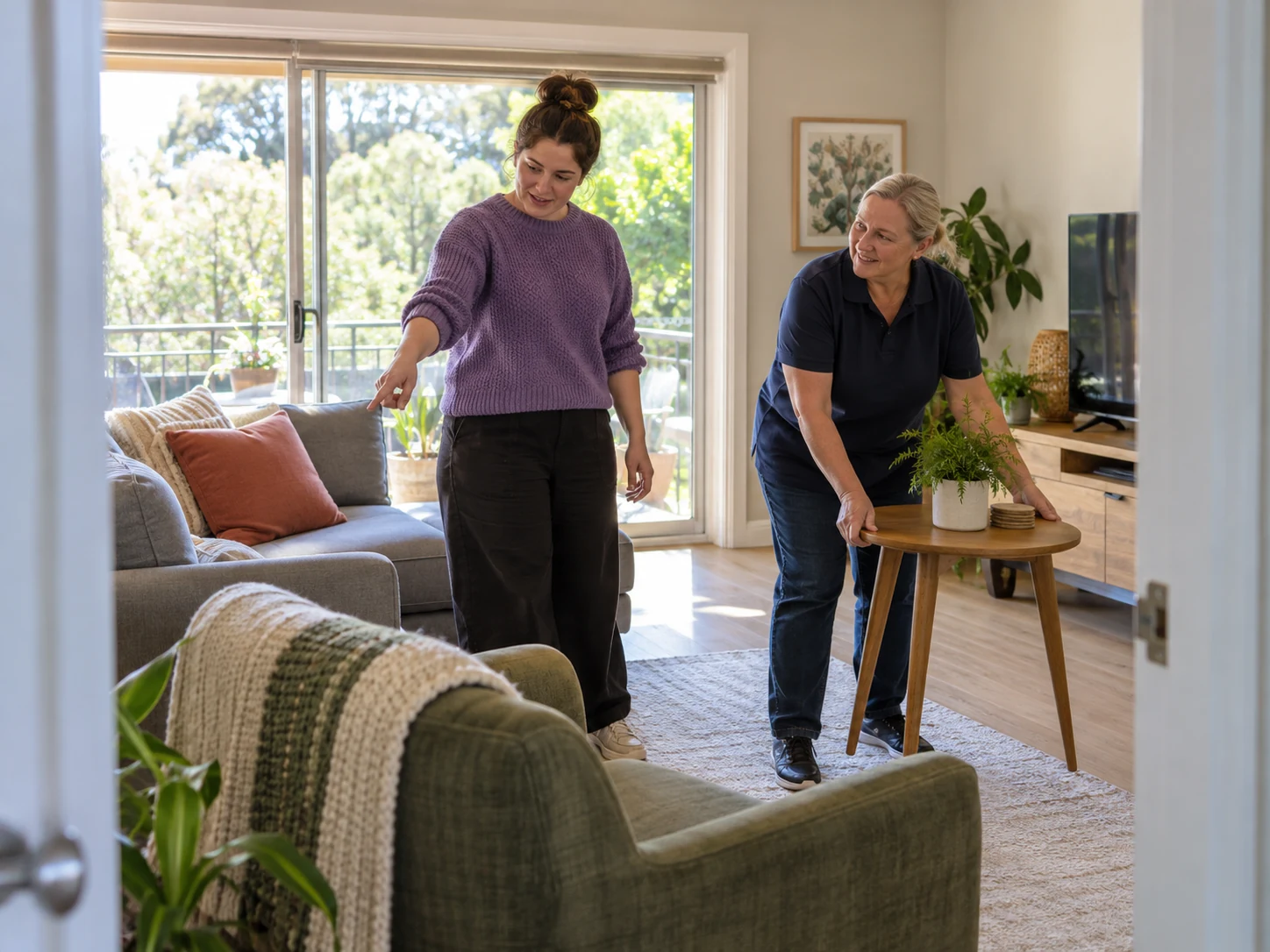
Supported Independent Living

Feel at Home. Build Independence. Live Life Your Way.

Your home should be a place where you feel comfortable, respected and in control.

Supported Independent Living

National Disability Service Provider offers Supported Independent Living for eligible NDIS participants who require regular assistance or supervision with everyday activities at home.

We provide personalised support focused on building independence, developing everyday skills and helping you live the life you choose.

Supported Independent Living services available Australia-wide.

Phone: 1800 896 599

Your Home. Your Routine. Your Life.

Support designed to help you live with greater independence.

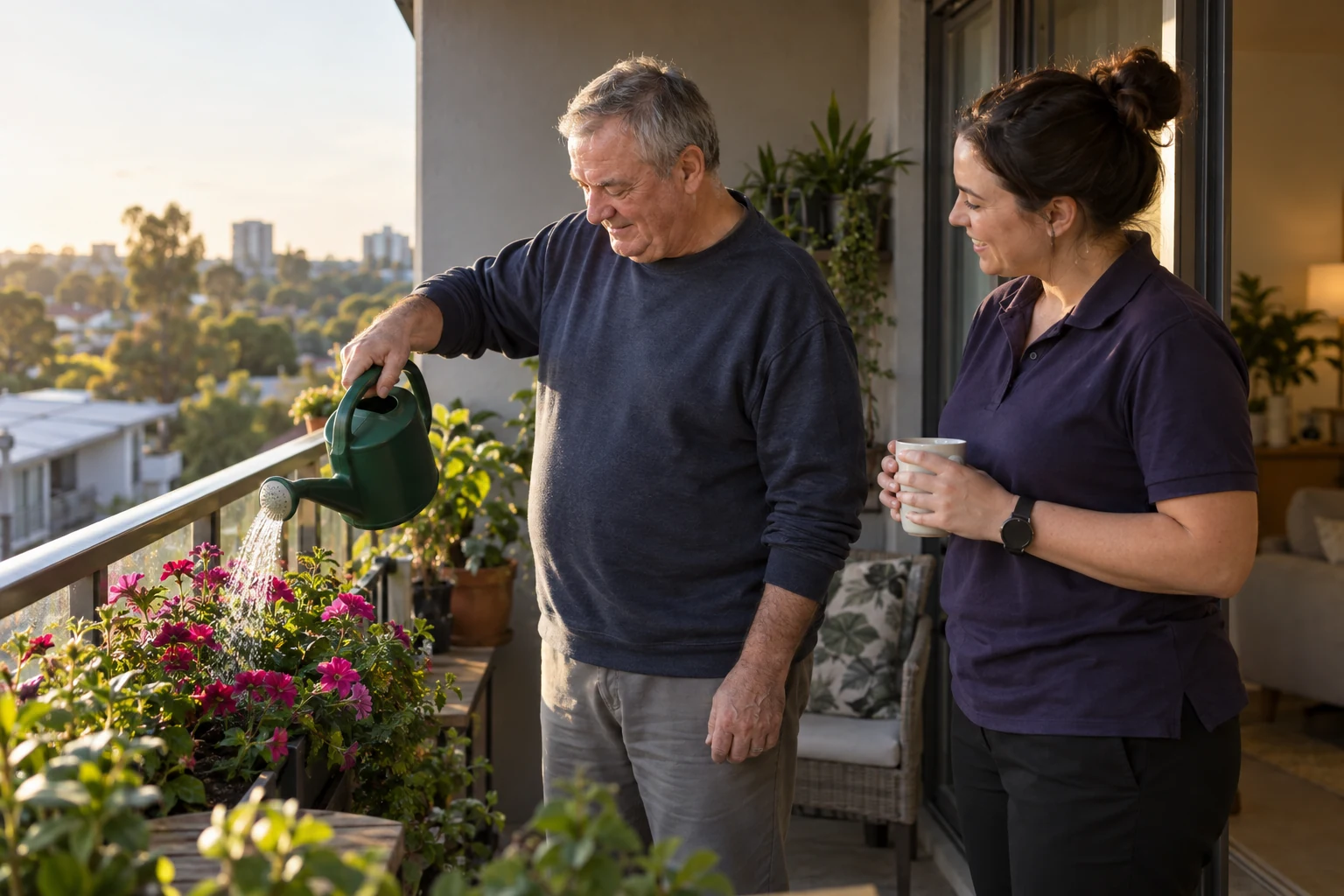
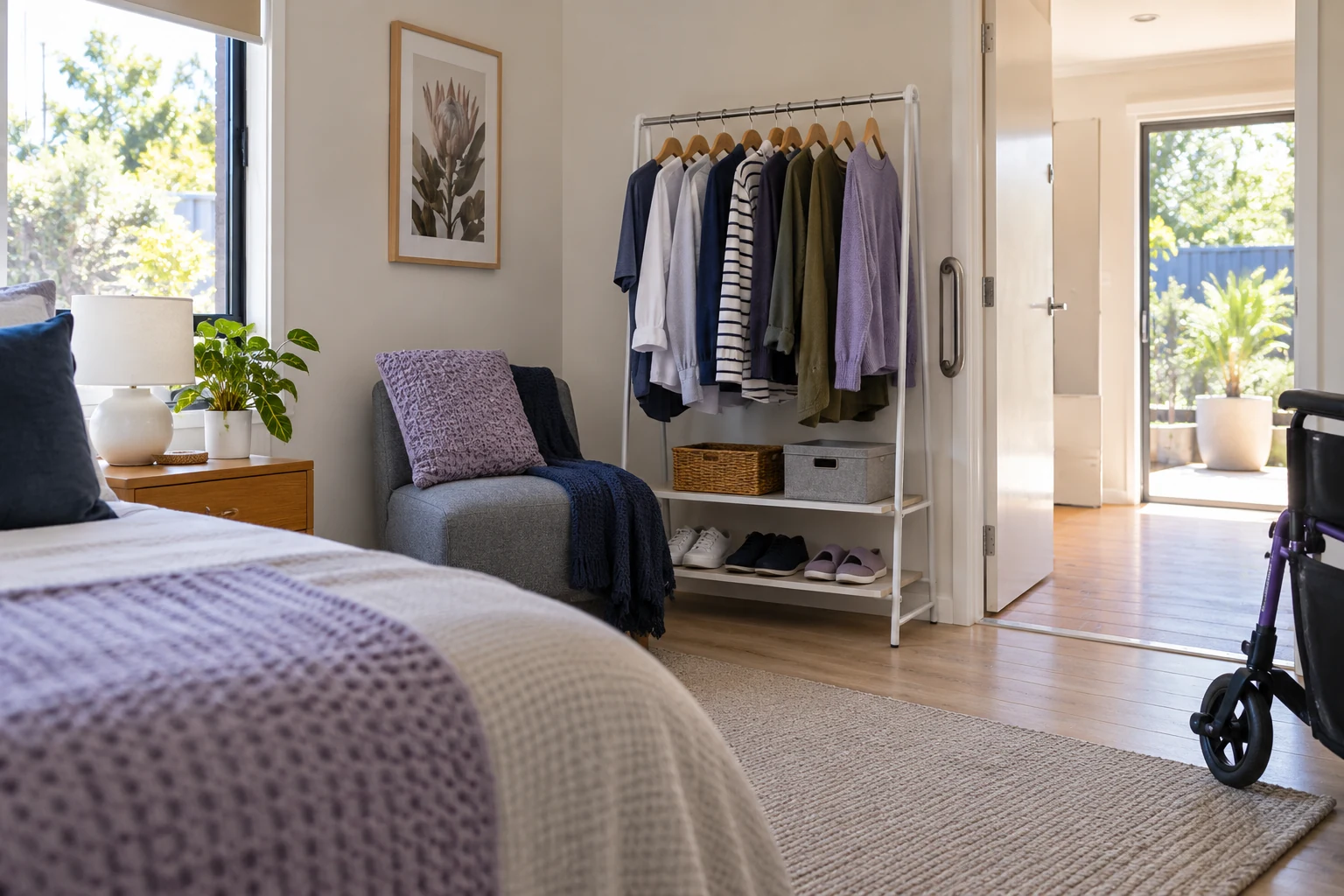
Support at Home, Built Around You

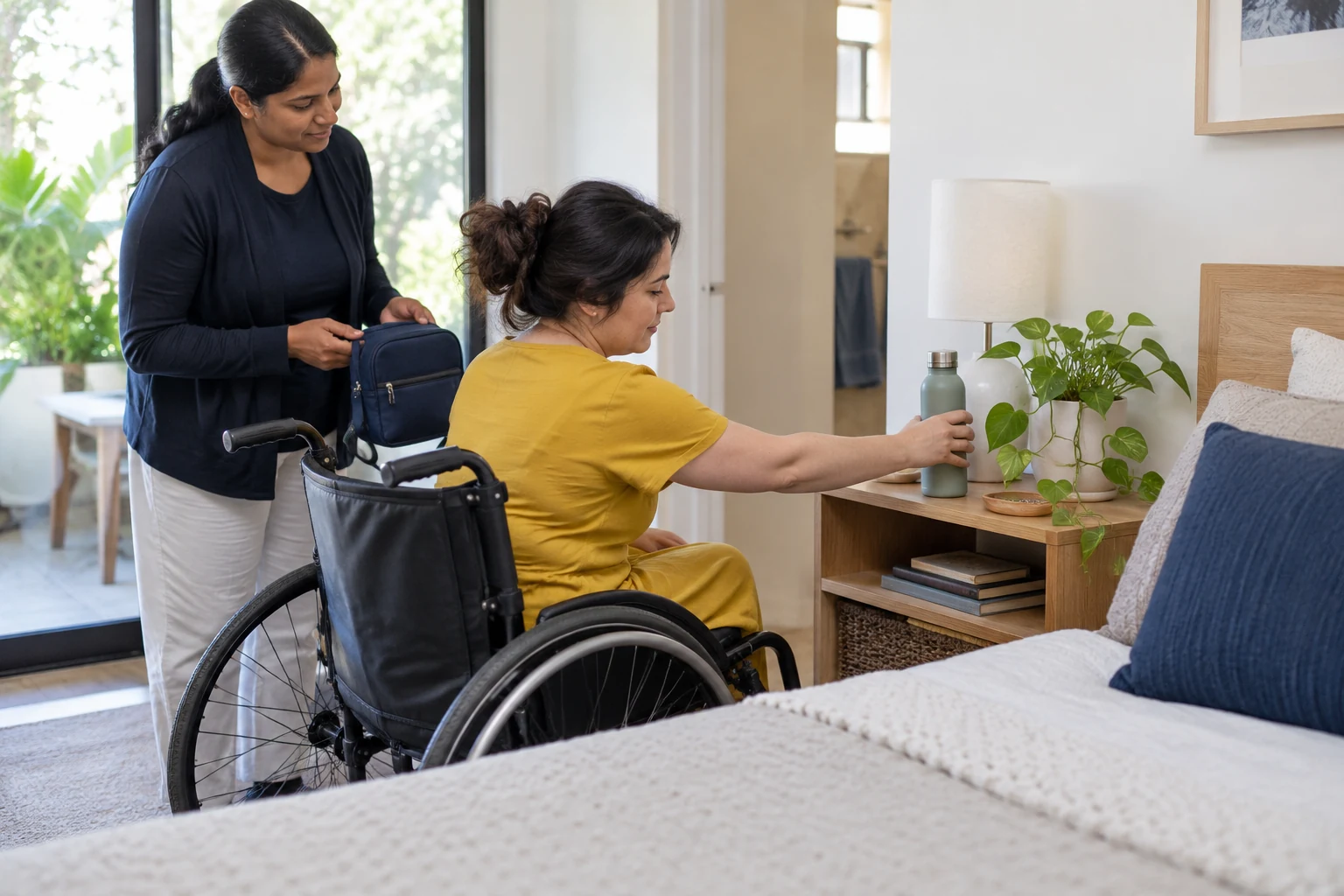
Supported Independent Living, commonly known as SIL, provides eligible NDIS participants with support or supervision to complete everyday activities within their home.

Every person's support needs are different.

Some participants may need assistance throughout the day and overnight.

Others may share support with housemates while also receiving individual assistance at particular times.

We work with each participant to understand their routines, abilities, preferences and support requirements so their support can be designed around the way they want to live.

Our focus is not simply on completing everyday tasks.

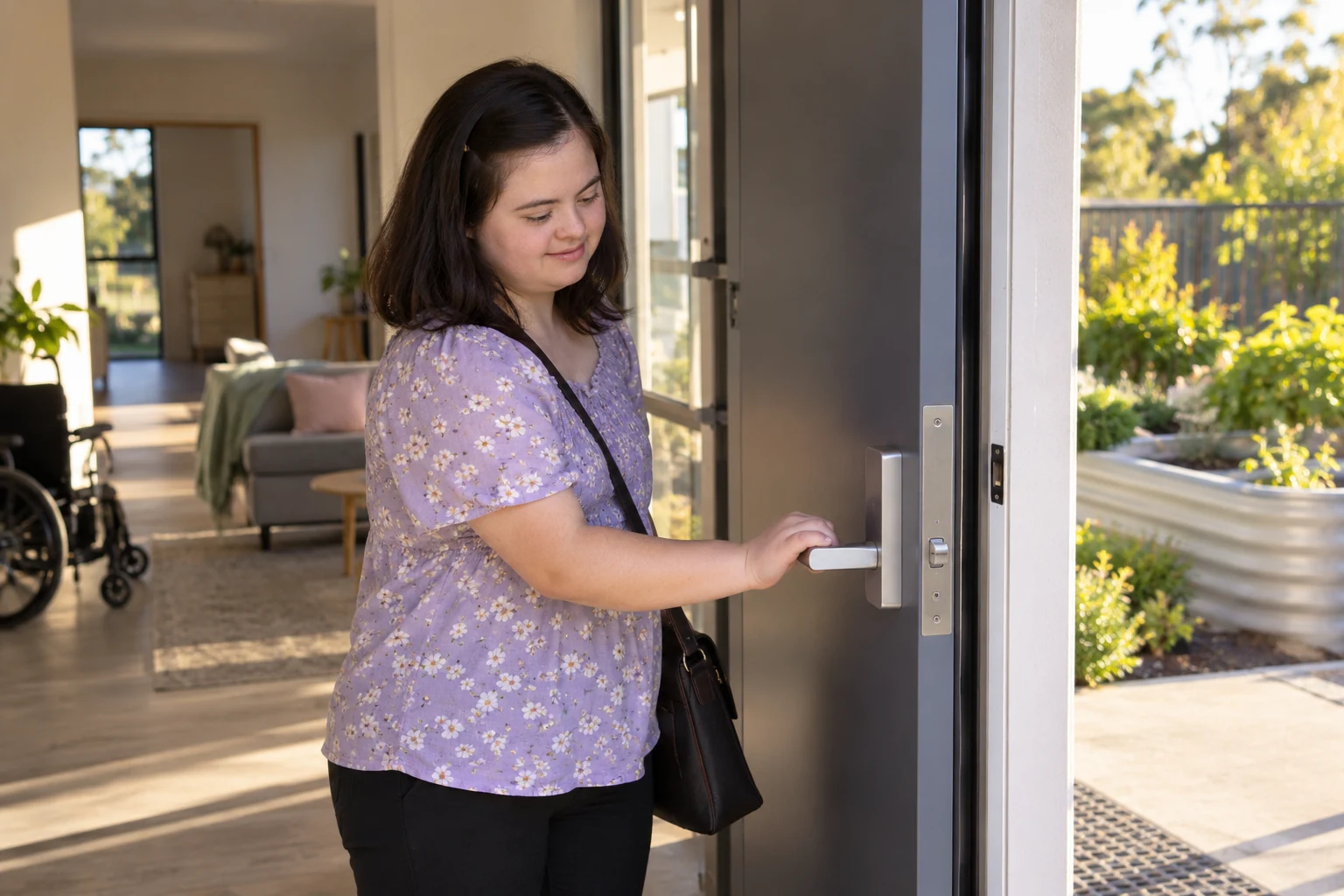
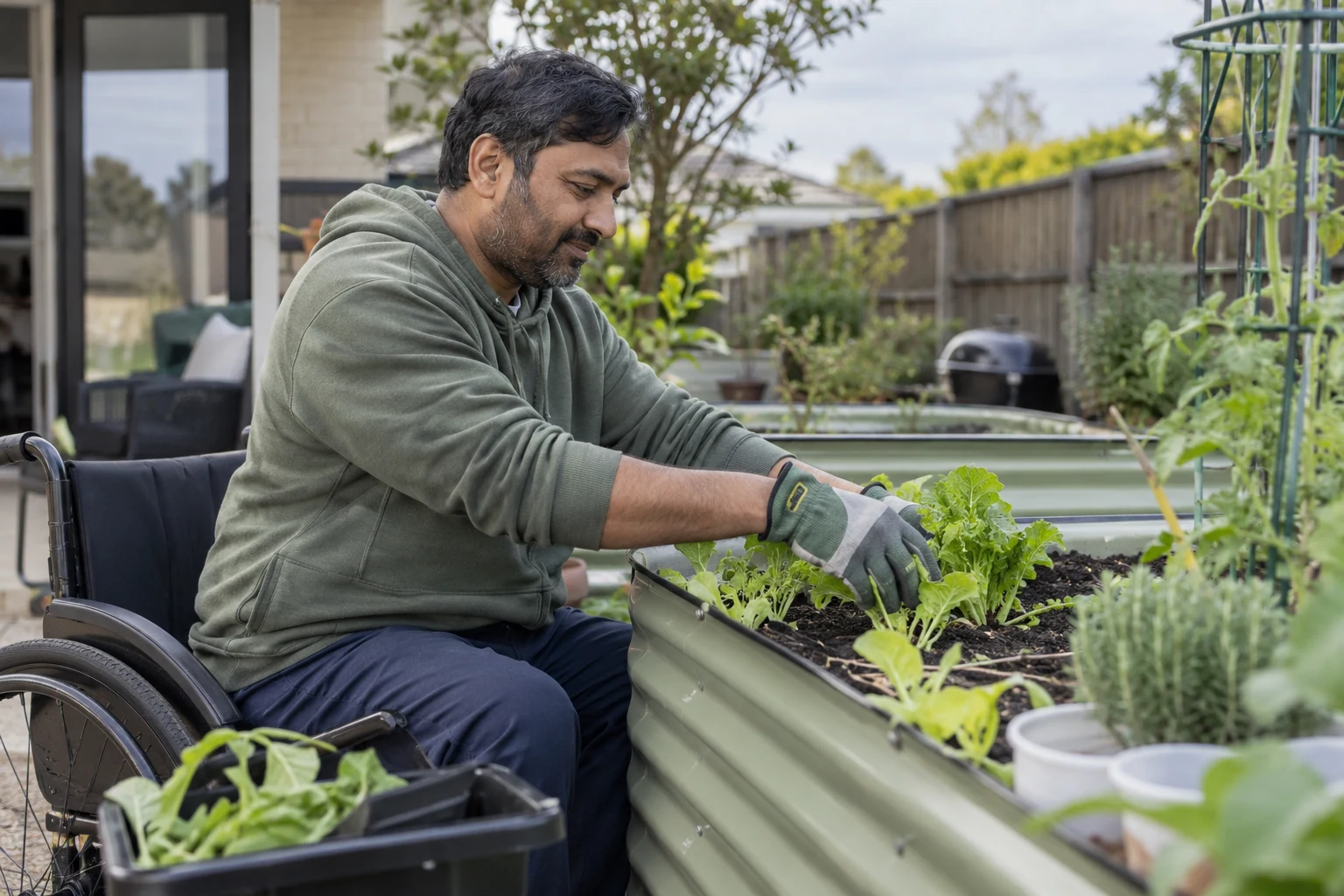
Where possible, we support participants to become more confident, develop practical skills and take an active role in their own home life.
Support at Home, Built Around You
Everyday Support for Greater Independence

Everyday Support for Greater Independence

Supported Independent Living is NDIS-funded support for eligible participants who require a significant level of help or supervision at home.

SIL generally involves support workers being available throughout the day and overnight according to the participant's approved support needs.

Support may be provided individually or shared with other participants living in the same home.

The purpose of SIL is to help participants:

  • Live as independently as possible
  • Complete everyday activities safely
  • Develop practical daily living skills
  • Establish routines
  • Participate in household responsibilities
  • Make choices about their everyday life
  • Build confidence at home
  • Receive the level of support they need

Your individual NDIS funding and assessed support requirements determine the type and level of SIL support available to you.

Support for Everyday Life at Home

Support for Everyday Life at Home

Personal Care

Support with personal hygiene, showering, dressing, grooming and other personal routines.

Meal Preparation

Assistance with planning, preparing and cooking meals.

Household Activities

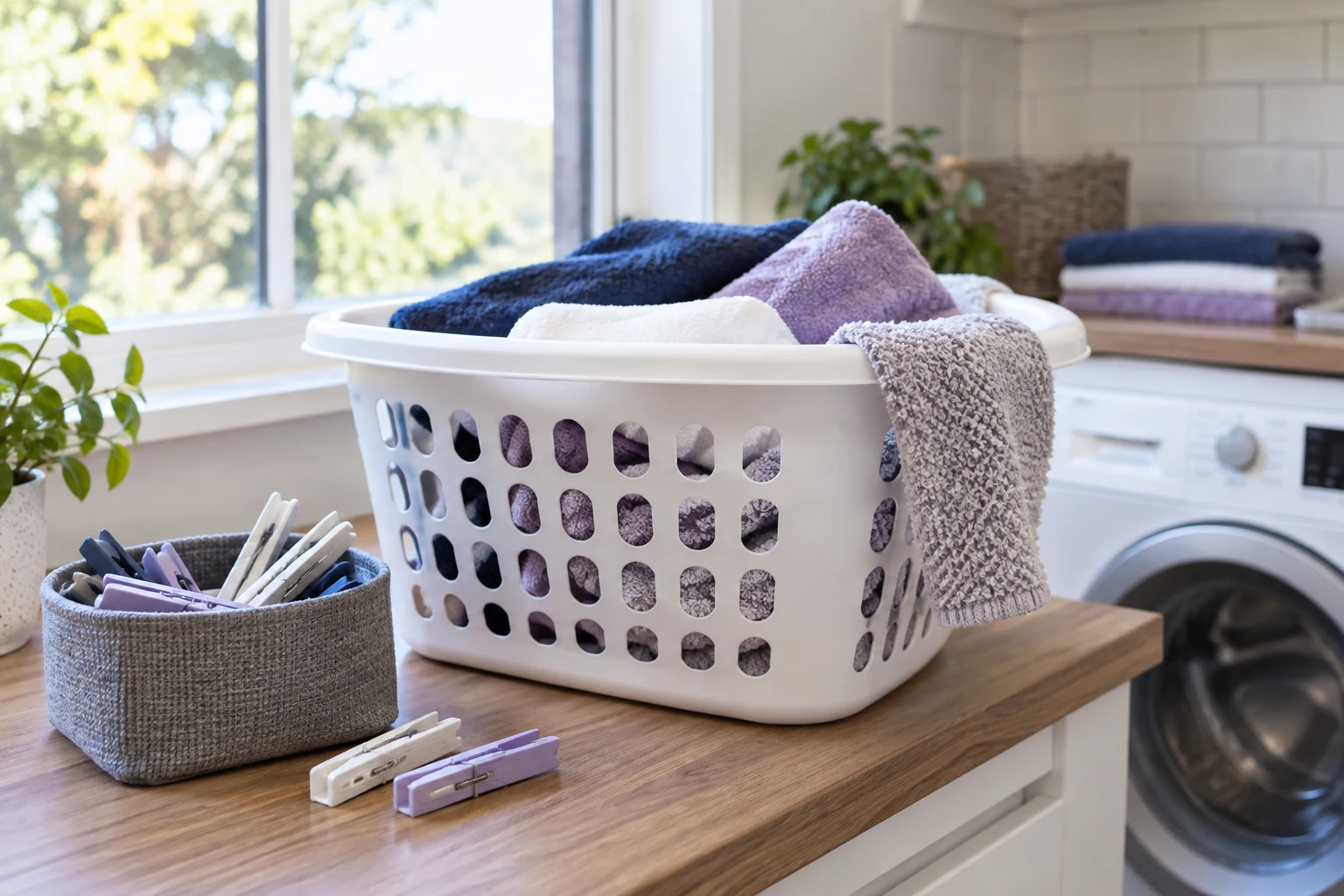
Support with cleaning, laundry, household organisation and maintaining everyday routines.

Medication-Related Support

Assistance with medication-related routines where appropriate and within the worker's role, training and participant support plan.

Developing Daily Living Skills

Building practical skills that can help you become more independent at home.

Establishing Routines

Creating consistent morning, evening and everyday routines that work for you.

Community Access

Support to leave the home, access your community and participate in everyday activities where included in your support arrangements.

Appointments & Activities

Assistance preparing for and attending appointments, activities and important commitments where appropriate.

Overnight Support

Overnight supervision or support may be provided where this forms part of your approved SIL arrangements.

Decision-Making

Encouragement and assistance to make everyday choices about your routines, activities and home life.

You Should Have a Say in How You Live

You Should Have a Say in How You Live

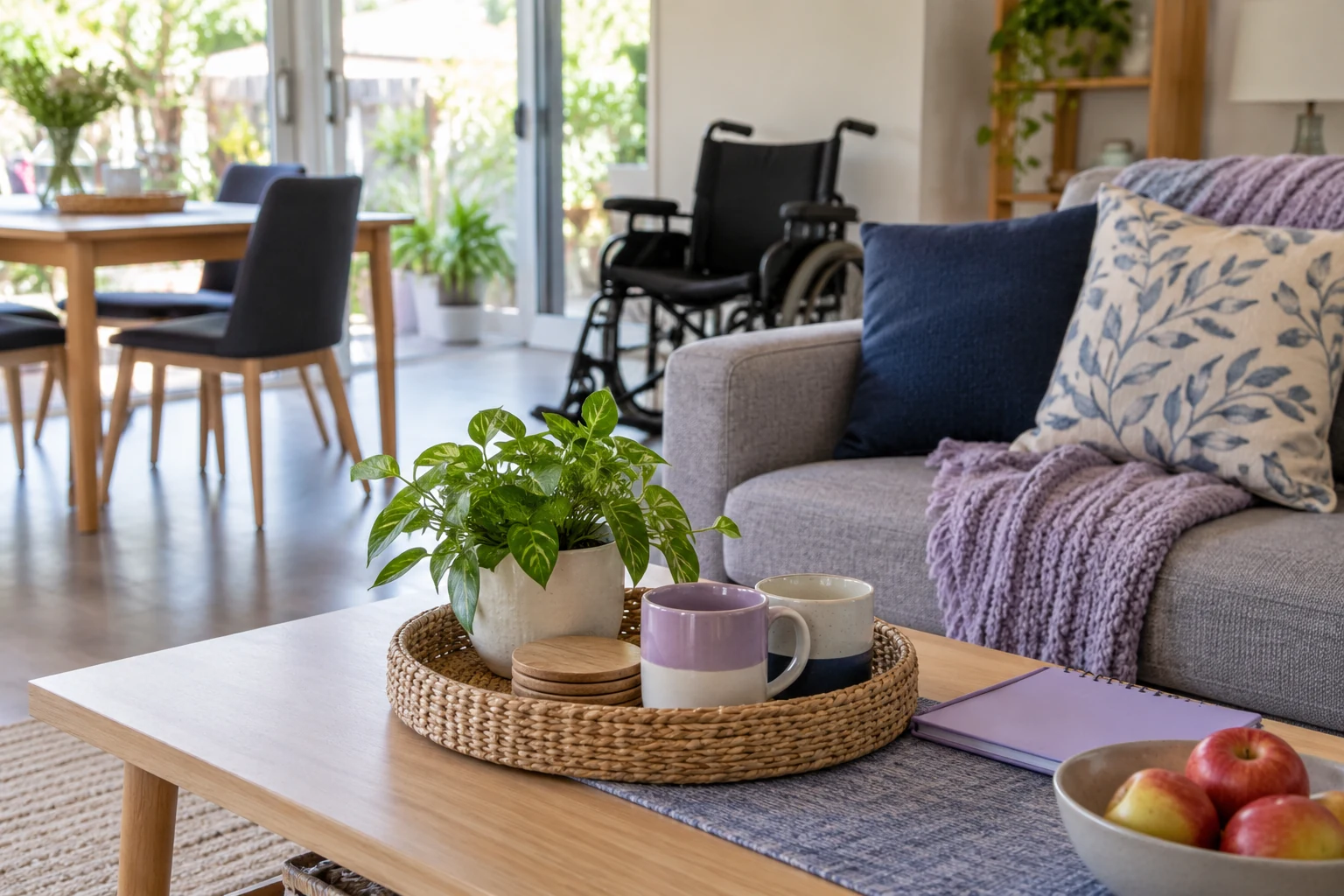
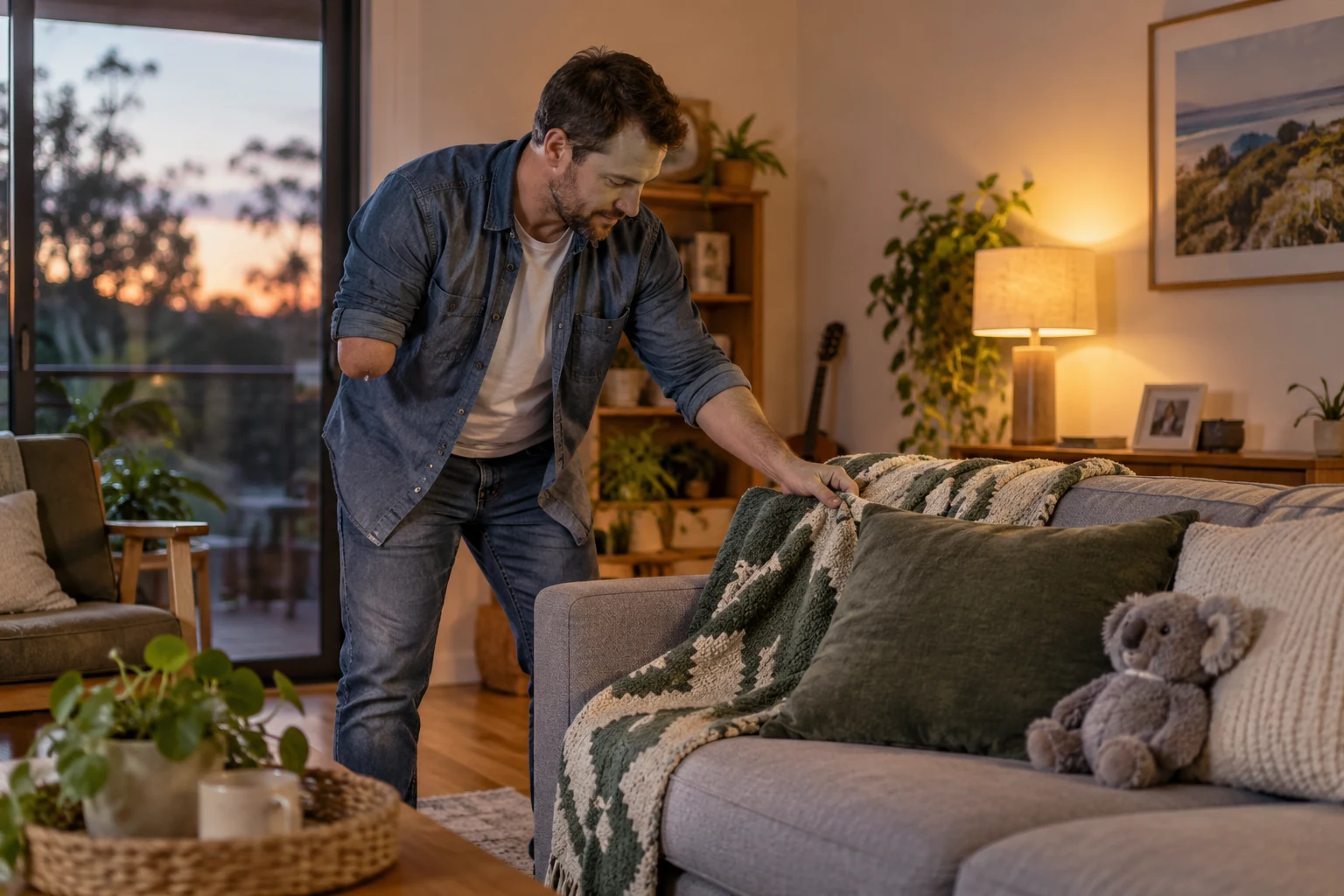
Supported living should still feel like your home.

We believe participants should be involved in decisions about their own living environment and everyday routines.

This can include choices about:

  • What time you start and finish your day
  • What meals you would like to prepare
  • How you spend your free time
  • Activities you participate in
  • Your personal routines
  • How your room and personal space are used
  • Your household responsibilities
  • Who is involved in your support
  • Your goals for greater independence

Where participants share a home, we also support respectful communication, privacy and shared household arrangements.

Your disability support should support your life - not control it.

Support That Helps You Do More for Yourself

Support That Helps You Do More for Yourself

Good SIL support is not about doing everything for you.

Where it is safe and appropriate, we look for opportunities to help you learn, practise and build confidence.

This could mean learning how to:

  • Prepare a simple meal
  • Use household appliances
  • Complete laundry
  • Keep your room organised
  • Make a shopping list
  • Participate in grocery shopping
  • Follow a morning routine
  • Manage personal belongings
  • Make everyday decisions
  • Develop social and communication skills
  • Participate in household activities
  • Become more confident accessing the community

Progress can happen gradually.

Our team works at your pace and supports the goals that are meaningful to you.

Support When You Need It

Support When You Need It

For eligible participants with higher support needs, SIL arrangements may include support and supervision across the full day and overnight.

Depending on the participant's approved support needs, this may involve:

  • Daytime support
  • Evening support
  • Overnight support
  • Shared support
  • Individual support at identified times
  • Support with personal care
  • Assistance with routines
  • Supervision for safety
  • Support responding to identified needs

The exact level and structure of support will depend on the participant's NDIS plan, approved SIL arrangements and individual requirements.

Living With Others While Maintaining Your Independence

Living With Others While Maintaining Your Independence

Some participants receiving SIL choose to live with other NDIS participants.

Shared living can provide opportunities for social connection while allowing participants to receive support within their home.

We recognise that sharing a home requires consideration of each person's:

  • Personality
  • Lifestyle
  • Daily routines
  • Communication style
  • Support needs
  • Personal preferences
  • Interests
  • Privacy
  • Cultural background
  • Compatibility with other residents

Where National Disability Service Provider is involved in shared SIL arrangements, our focus is on creating respectful and supportive everyday living environments.

Understanding the Difference

Understanding the Difference

Supported Independent Living refers to the support you receive inside your home.

It does not generally pay for the property itself.

SIL funding does not ordinarily cover everyday living expenses such as:

  • Rent
  • Mortgage payments
  • Groceries
  • Electricity
  • Gas
  • Internet
  • Telephone expenses
  • Other ordinary household bills

These are separate from the disability supports funded through SIL.

What's the Difference Between SIL and SDA?

What's the Difference Between SIL and SDA?

Supported Independent Living - SIL

SIL funds the support workers and assistance you receive to help you live more independently at home.

Specialist Disability Accommodation - SDA

SDA refers to specialist housing designed for eligible participants with very high support needs or extreme functional impairment.

Some participants may receive both SDA and SIL.

Others may receive SIL while living in a different type of home.

Your NDIS plan and home and living assessment determine which supports may be appropriate for you.

No Two SIL Arrangements Should Look Exactly the Same

No Two SIL Arrangements Should Look Exactly the Same

Every participant has different abilities, preferences and support needs.

Before services commence, we take the time to understand:

Your Support Needs

What assistance or supervision do you require throughout the day and night?

Your Abilities

What can you already do independently?

Your Goals

What would you like to become more confident doing?

Your Routine

What does a normal day look like for you?

Your Preferences

How do you prefer your support to be delivered?

Your Communication

How do you communicate your choices, needs and preferences?

Your Health & Safety Requirements

Are there specific health, support or risk considerations that workers need to understand?

This information helps us establish support that reflects your individual life.

Connected Support Around You

Connected Support Around You

Many participants receiving SIL also work with other services and professionals.

With your consent, we can work collaboratively with:

  • Family members
  • Carers
  • Nominees
  • Support Coordinators
  • Plan Managers
  • Allied health professionals
  • Community nurses
  • Behaviour support practitioners where applicable
  • Medical and health professionals
  • Other NDIS providers

Good communication between the people involved in your support can help create greater consistency and continuity.

You remain at the centre of that communication.

More Than Support Workers in a House

More Than Support Workers in a House

We believe quality Supported Independent Living should promote dignity, participation and independence.

Person-Centred

Your preferences, goals and routines guide your support.

Respectful

Your home, privacy, belongings and personal space are respected.

Independence-Focused

We look for opportunities to help you build practical skills and confidence.

Consistent

We aim to provide clear routines and consistent approaches based on your individual support arrangements.

Collaborative

We work alongside you and your chosen support network.

Safe

Your individual health, safety and support requirements are considered when planning and delivering services.

Inclusive

Your culture, identity, communication preferences and individual circumstances are respected.

Is Supported Independent Living Right for You?

Is Supported Independent Living Right for You?

SIL is generally designed for participants who require a substantial amount of support or supervision at home.

It may be relevant if you:

  • Require support throughout most of the day
  • Need overnight support or supervision
  • Need assistance with personal care
  • Require help completing everyday household activities
  • Need regular prompting or supervision
  • Want to build independent living skills
  • Need assistance maintaining daily routines
  • Receive shared support within a home
  • Have disability-related support needs that require regular worker assistance

Whether SIL is suitable for you depends on your individual needs and the home and living supports included in your NDIS plan.

Support Through the Transition

Support Through the Transition

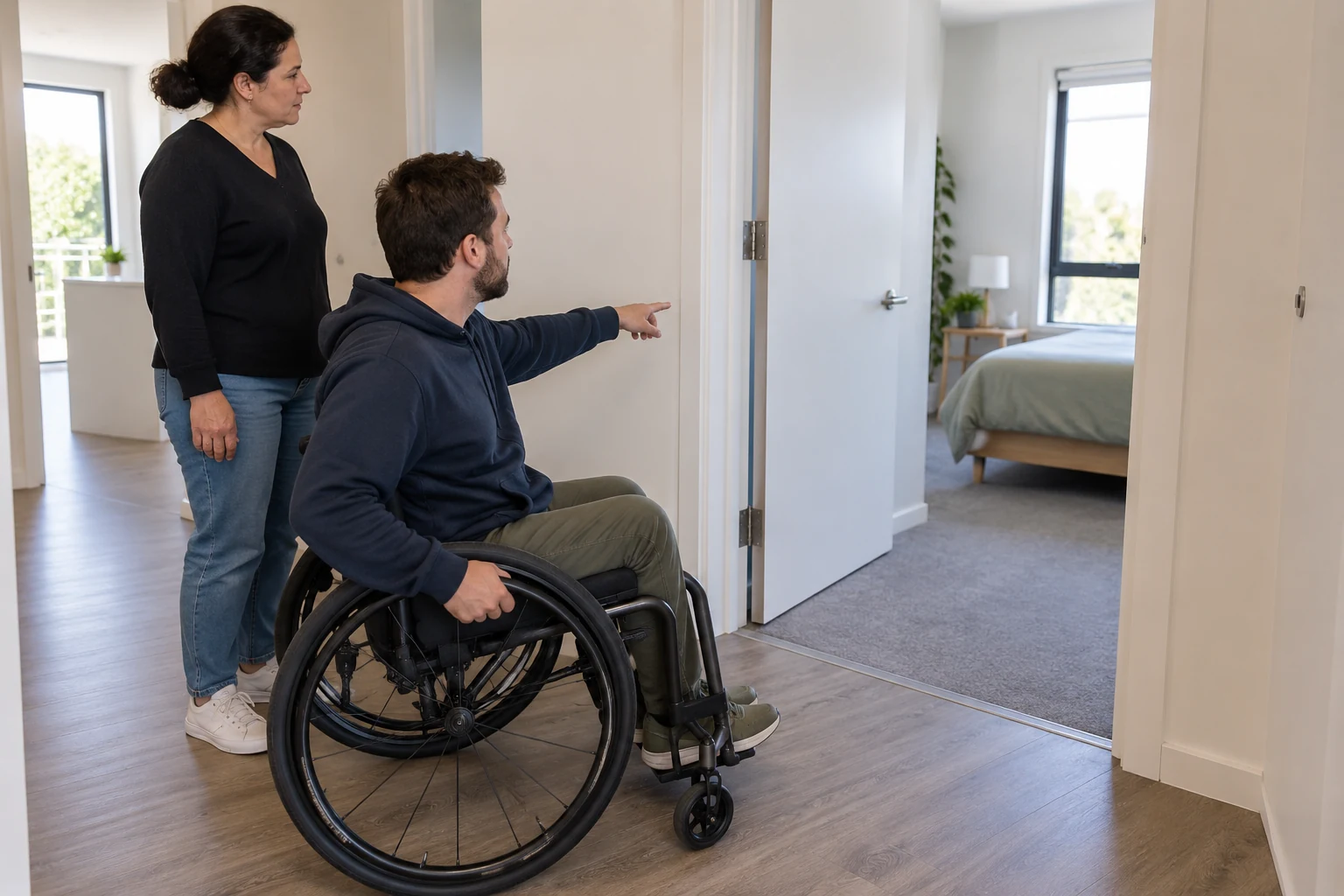
Moving into a new home can be exciting, but it can also involve a lot of change.

Where appropriate, we can help participants prepare for their transition into a SIL arrangement.

This may include:

  • Understanding the participant's routines
  • Learning about personal preferences
  • Establishing support arrangements
  • Understanding health and support needs
  • Developing everyday routines
  • Working with family and existing providers
  • Supporting familiarity with a new environment
  • Establishing communication between the participant and support team
  • Supporting adjustment to shared living where applicable

Our goal is to make the transition as organised and participant-centred as possible.

Looking for a Supported Living Option?

Looking for a Supported Living Option?

If you are looking for SIL support for yourself, a family member or a participant you work with, contact our team.

Tell us about:

  • The participant
  • Their current location
  • Preferred location
  • SIL funding or home and living arrangements
  • Required level of support
  • Accessibility requirements
  • Preferred living arrangements
  • Current support needs
  • Desired move-in timeframe
  • Any important compatibility considerations

Our team can discuss current SIL service availability and suitable next steps.

Supported Independent Living Across Australia

Supported Independent Living Across Australia

National Disability Service Provider provides services nationwide across Australia.

We welcome Supported Independent Living enquiries from participants, families, Support Coordinators and referrers across:

  • Victoria
  • New South Wales
  • Queensland
  • South Australia
  • Western Australia
  • Tasmania
  • Australian Capital Territory
  • Northern Territory

Availability depends on the participant's location, individual support requirements, workforce availability and suitable service arrangements.

If we do not currently have an established SIL service in your area, we can still discuss your requirements and determine whether a suitable service can be established.

Referring a Participant for SIL?

Referring a Participant for SIL?

We welcome SIL referrals from Support Coordinators and other authorised members of a participant's support network.

Providing relevant information can help us understand whether we can meet the participant's needs.

Helpful information may include:

  • Participant details
  • Current location
  • Preferred living location
  • NDIS plan dates
  • Home and living funding information
  • Current SIL funding or approved arrangements
  • Required support ratio
  • Overnight support requirements
  • Personal care requirements
  • Health or nursing needs
  • Relevant risks
  • Communication needs
  • Behaviour support information where applicable
  • Accessibility requirements
  • Participant preferences
  • Proposed commencement or move-in timeframe
  • Relevant reports and support plans

We will work with the participant and authorised representatives to discuss suitability and next steps.

Starting the Conversation Is Simple

Step 1 - Contact Us

Step 1 - Contact Us

Call 1800 896 599, email services@ndsprovider.com.au, or complete our SIL referral form.

Step 2 - Tell Us About Your Needs

Step 2 - Tell Us About Your Needs

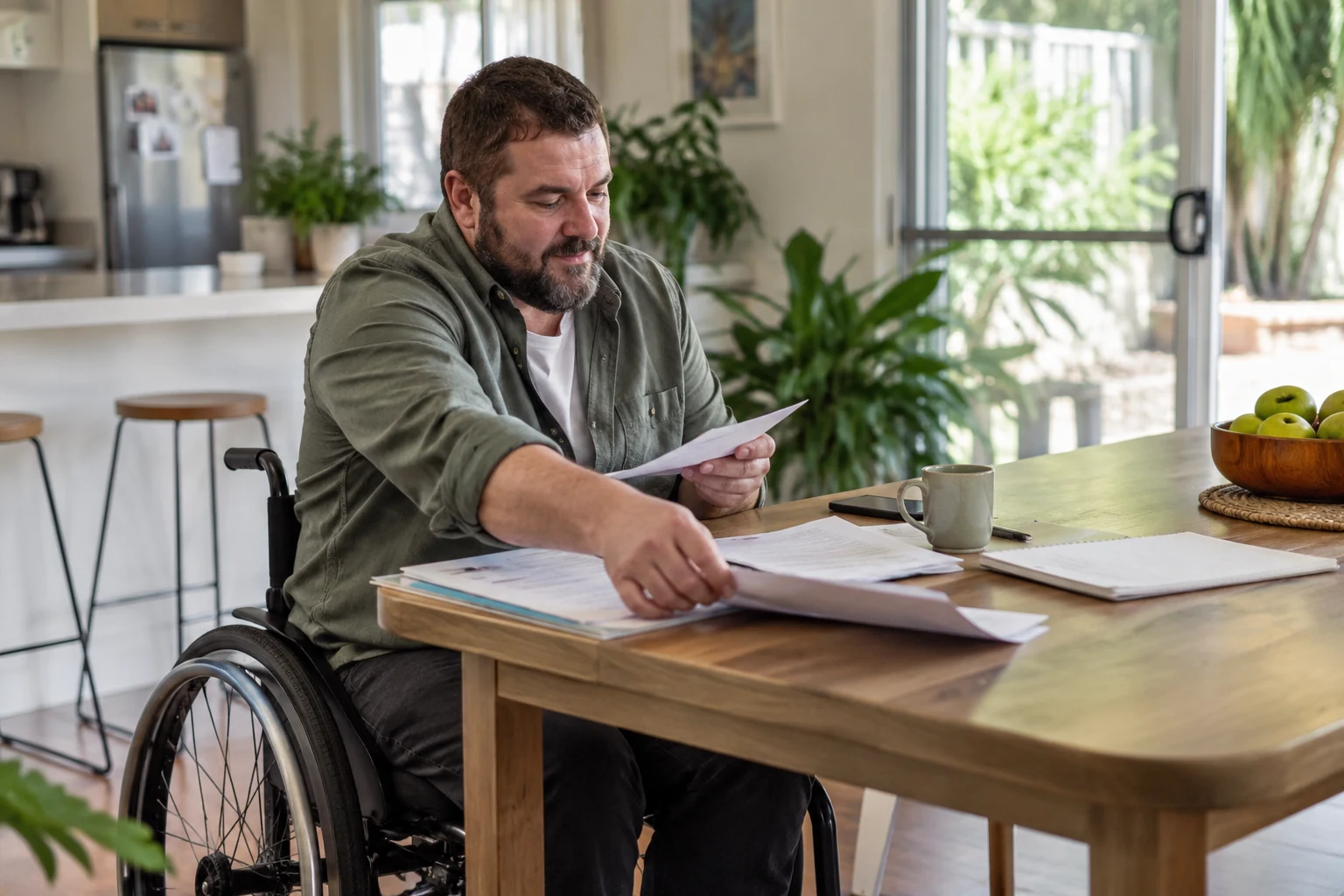
We discuss your current living situation, NDIS funding, goals, preferred location and support requirements.

Step 3 - We Review Your Requirements

Step 3 - We Review Your Requirements

Our team reviews the information provided and discusses service availability and suitability.

Step 4 - Meet & Plan

Step 4 - Meet & Plan

Where appropriate, we arrange further discussions with the participant and their support network to understand routines, preferences and support needs.

Step 5 - Establish Your SIL Support

Step 5 - Establish Your SIL Support

If the service is suitable and agreed by everyone involved, we complete the required service arrangements and transition planning.

Step 6 - Support Begins

Step 6 - Support Begins

Your SIL support commences according to the agreed service arrangement and schedule of supports.

Supported Independent Living FAQs

Supported Independent Living FAQs

Supported Independent Living is NDIS-funded assistance or supervision for eligible participants who require a significant level of support with everyday activities at home.

SIL generally funds the support provided within the home rather than the property or accommodation itself. Rent and ordinary household expenses are generally separate.

No. SIL refers to support workers and assistance. SDA refers to specialised housing for eligible participants. Some participants may receive both.

Yes. Where appropriate to the participant's approved support needs, SIL may include overnight support or supervision.

Some SIL arrangements may involve individual support, although whether SIL is suitable depends on the participant's individual circumstances and approved NDIS supports.

Not necessarily. The appropriate living and support arrangement depends on your individual needs and NDIS plan.

Participants should have meaningful choice and involvement in decisions affecting their living arrangements. Compatibility is particularly important in shared living situations.

Participants have choice and control over their providers, subject to their NDIS plan and relevant service arrangements.

Yes. National Disability Service Provider can provide services nationwide across Australia, subject to local service and workforce availability.

Call 1800 896 599 or submit a SIL enquiry. Tell us your preferred location and support needs and our team can discuss availability with you.

National Disability Service Provider

Although our services are available nationwide, our current physical offices include:

Service Addresses:

Victoria: 113/1510 Pascoe Vale, Coolaroo VIC 3048

South Australia: 97 Sir Donald Bradman Dr, Hilton SA 5033

Phone: 1800 896 599

Email: services@ndsprovider.com.au

Australia-Wide Enquiries

Find Support That Feels Like Home

Find Support That Feels Like Home

The right Supported Independent Living arrangement should help you feel safe, respected and more confident in everyday life.

Talk to our team about your support needs, preferred location and goals.

We welcome SIL enquiries from participants and referrers Australia-wide.

Email: services@ndsprovider.com.au