Careers

Build a Career That Makes a Difference

At National Disability Service Provider, our people are an important part of the support participants experience every day.

Careers

We are interested in connecting with people who are committed to:

  • Respect
  • Inclusion
  • Participant choice
  • Safe practice
  • Professionalism
  • Reliability
  • Continuous learning

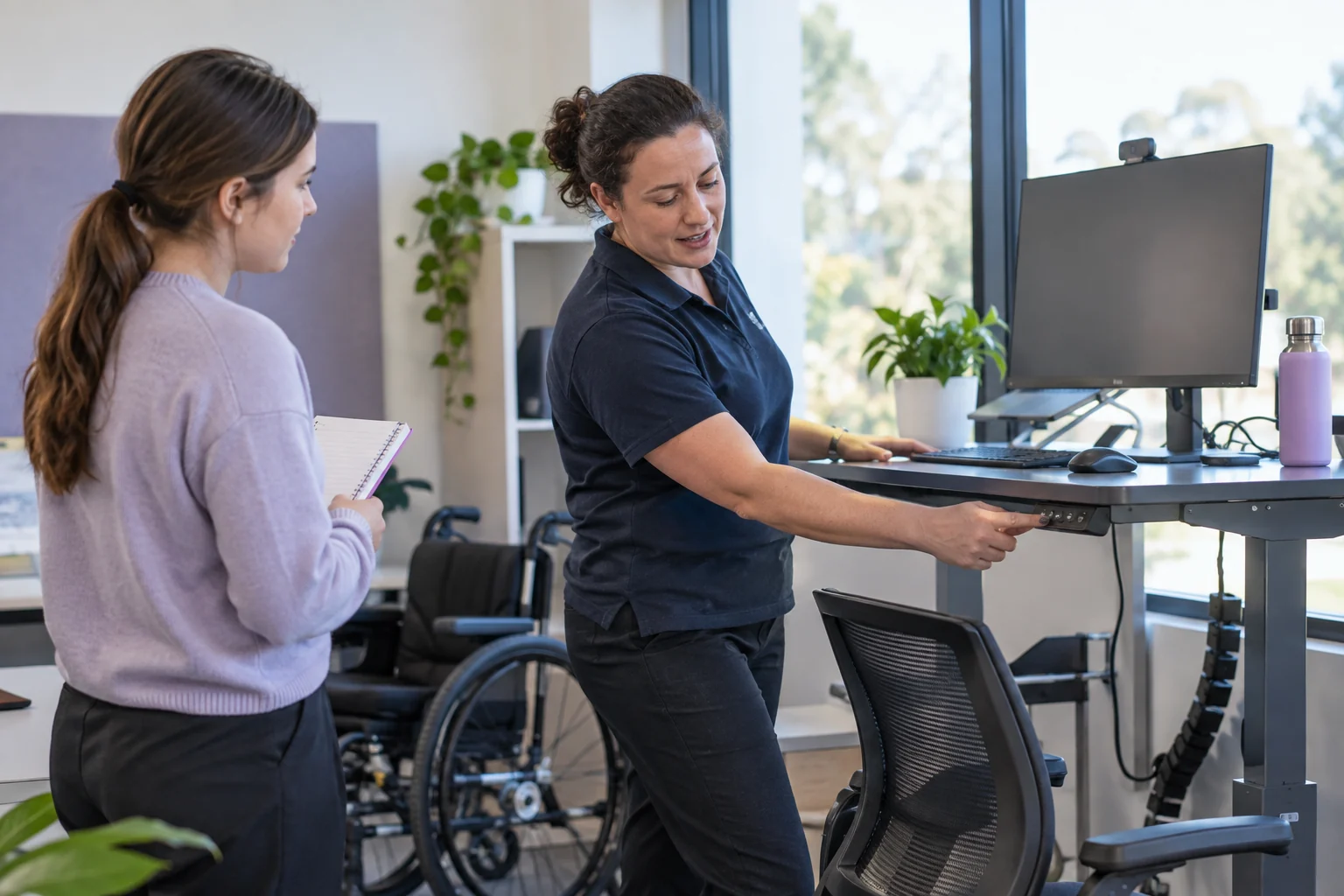
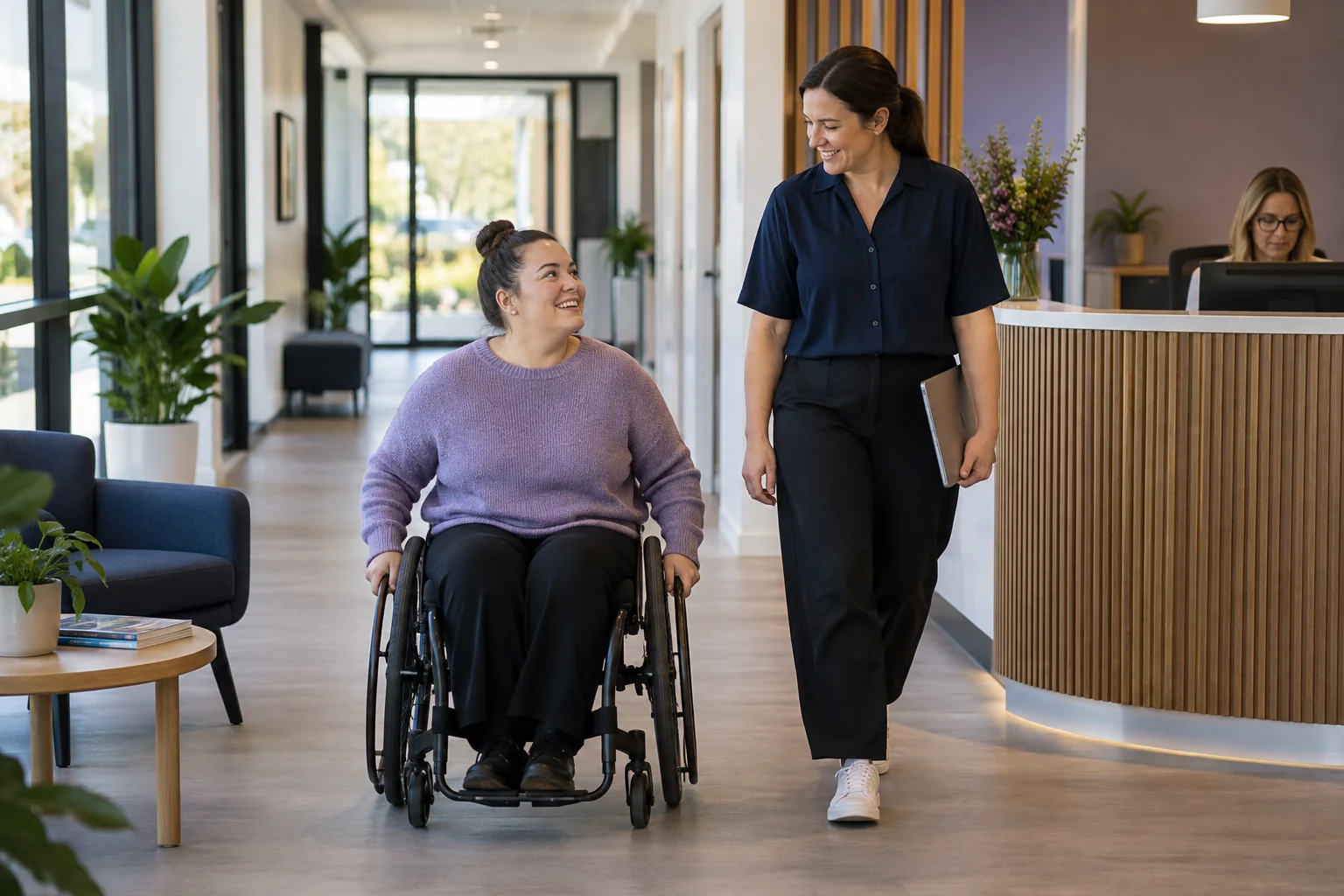
Whether you work directly with participants, provide clinical or therapeutic support, coordinate services or support our operations, your role can contribute to better everyday experiences for people with disability.

Work With Purpose

Disability support is about more than completing tasks.

It is about supporting people to:

  • Make choices
  • Build independence
  • Participate in their community
  • Develop skills
  • Maintain routines
  • Work towards personal goals
  • Feel safe and respected

We look for people who understand that every participant is different and that quality support starts with listening.

Work With Purpose
National Disability Service Provider

National Disability Service Provider

National Disability Service Provider is a registered NDIS provider supporting participants across a range of service areas.

Our services include:

  • Support Coordination
  • Plan Management
  • Supported Independent Living
  • Daily Personal Activities
  • High Intensity Daily Personal Activities
  • Community Nursing Care
  • Daily Tasks & Shared Living
  • Assistance with Life Stage & Transitions
  • Development of Daily Living & Life Skills
  • Community Participation
  • Innovative Community Participation
  • Household Tasks
  • Assistive Products for Household Tasks
  • Early Childhood Supports
  • Therapeutic Supports

Our physical offices are located in Victoria and South Australia, and we welcome service enquiries from across Australia.

Values Matter

Values Matter

Skills and experience are important, but so is how you work with people.

Respectful

You recognise the participant as a person with their own rights, preferences and decisions.

Reliable

You understand that participants may depend on consistent support.

Professional

You communicate appropriately, maintain boundaries and take responsibility for your role.

Person-Centred

You adapt support around the participant rather than expecting the participant to fit a standard approach.

Safety-Focused

You recognise risk, follow relevant procedures and raise concerns when something is not right.

Open to Learning

You are willing to receive feedback, complete training and continue building your skills.

Inclusive

You respect differences in culture, language, identity, communication and life experience.

Opportunities Across Different Types of Work

Disability Support Workers

Disability Support Workers

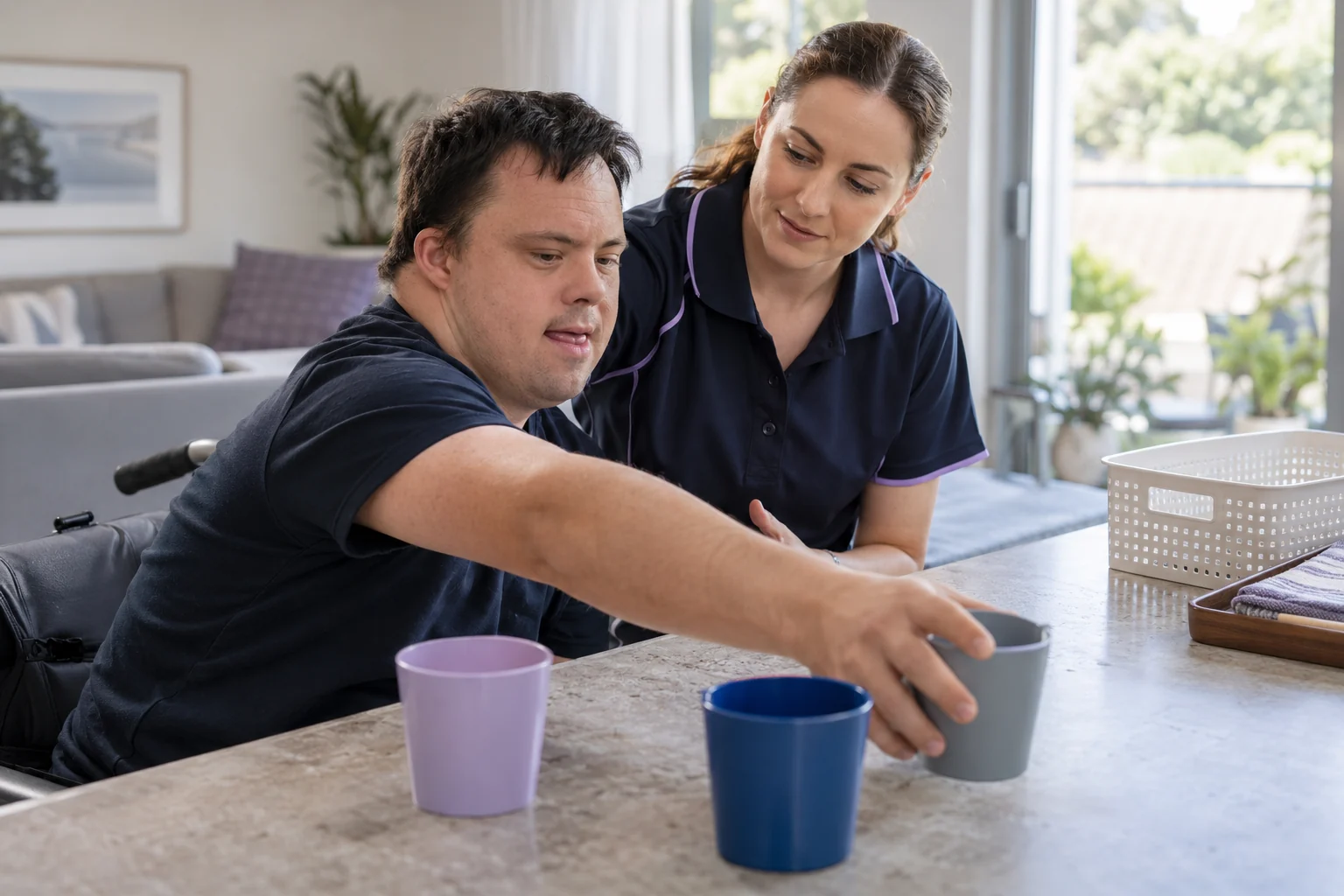
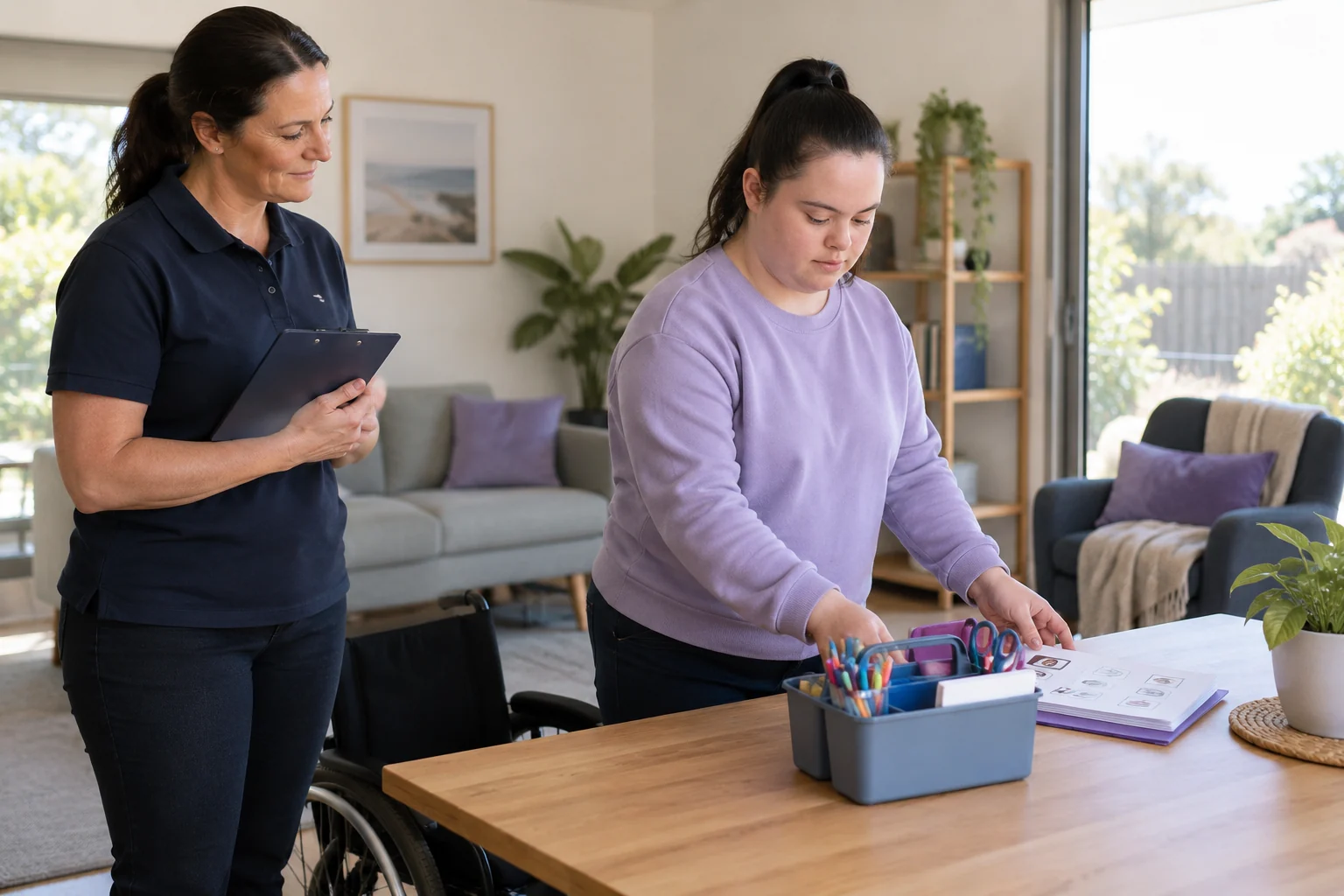
Supporting participants with everyday activities, personal care, community access, skill development and agreed routines.

High Intensity Support Workers

High Intensity Support Workers

Supporting participants with more complex disability-related needs where additional competencies and participant-specific training are required.

Community Nurses

Community Nurses

Providing disability-related nursing support within professional scope and participant-specific care arrangements.

Support Coordinators

Support Coordinators

Helping participants understand their plans, connect with providers, coordinate supports and build confidence managing their services.

Plan Management Team

Plan Management Team

Supporting the financial administration of plan-managed NDIS funding.

Allied Health & Therapeutic Professionals

Allied Health & Therapeutic Professionals

Opportunities may arise for appropriately qualified professionals in disciplines relevant to participant needs.

Early Childhood Professionals

Early Childhood Professionals

Supporting children and families through developmentally appropriate, family-centred and capacity-building approaches.

Service Coordination & Operations

Service Coordination & Operations

Supporting participant services, workforce coordination, scheduling, communication and day-to-day operations.

Quality, Compliance & Administration

Quality, Compliance & Administration

Supporting safe systems, records, governance, quality processes and organisational operations.

Explore Available Roles

Explore Available Roles

No Suitable Vacancy Right Now?

We are still interested in hearing from people who may be a good fit for future opportunities.

Support Everyday Life

Support Everyday Life

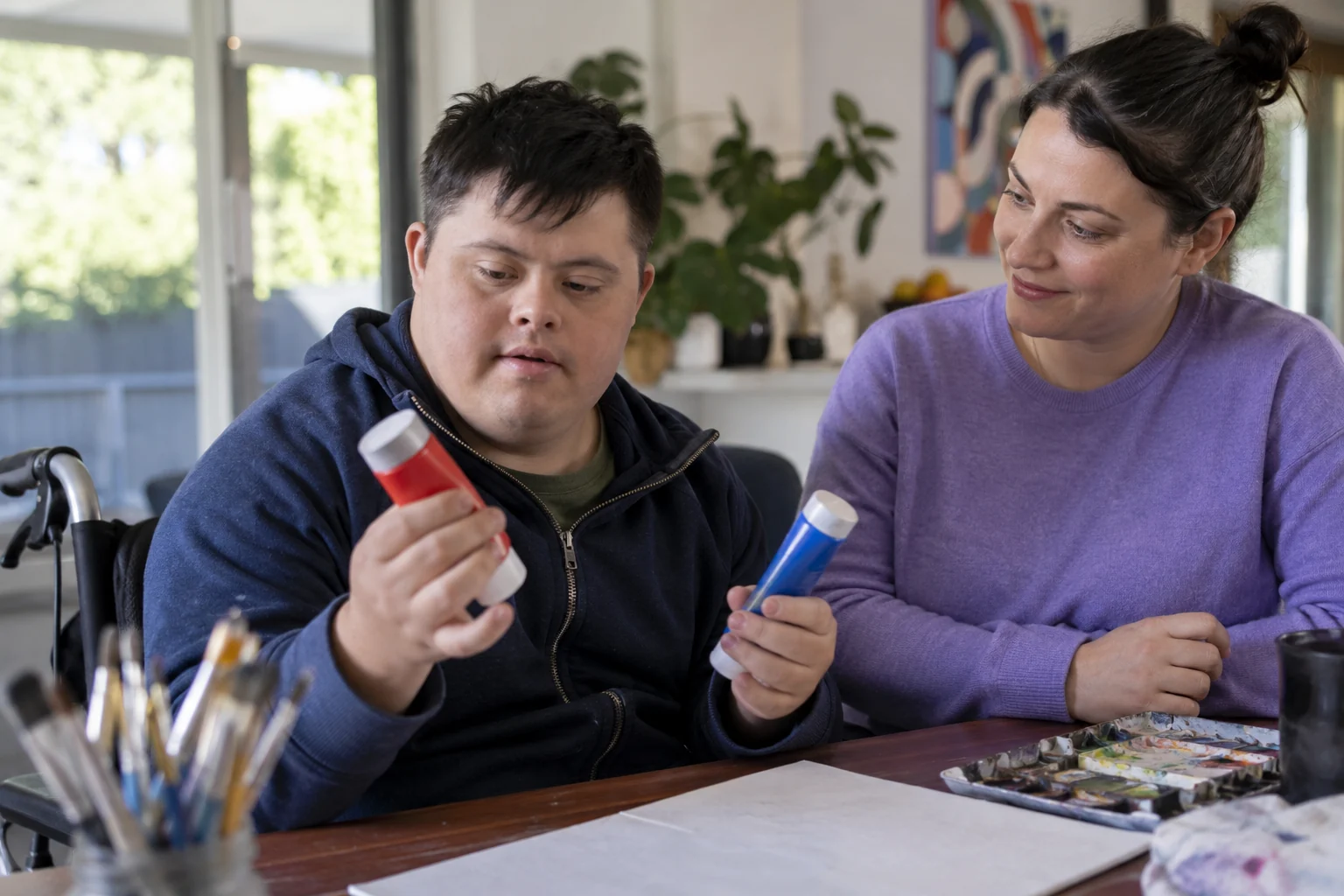
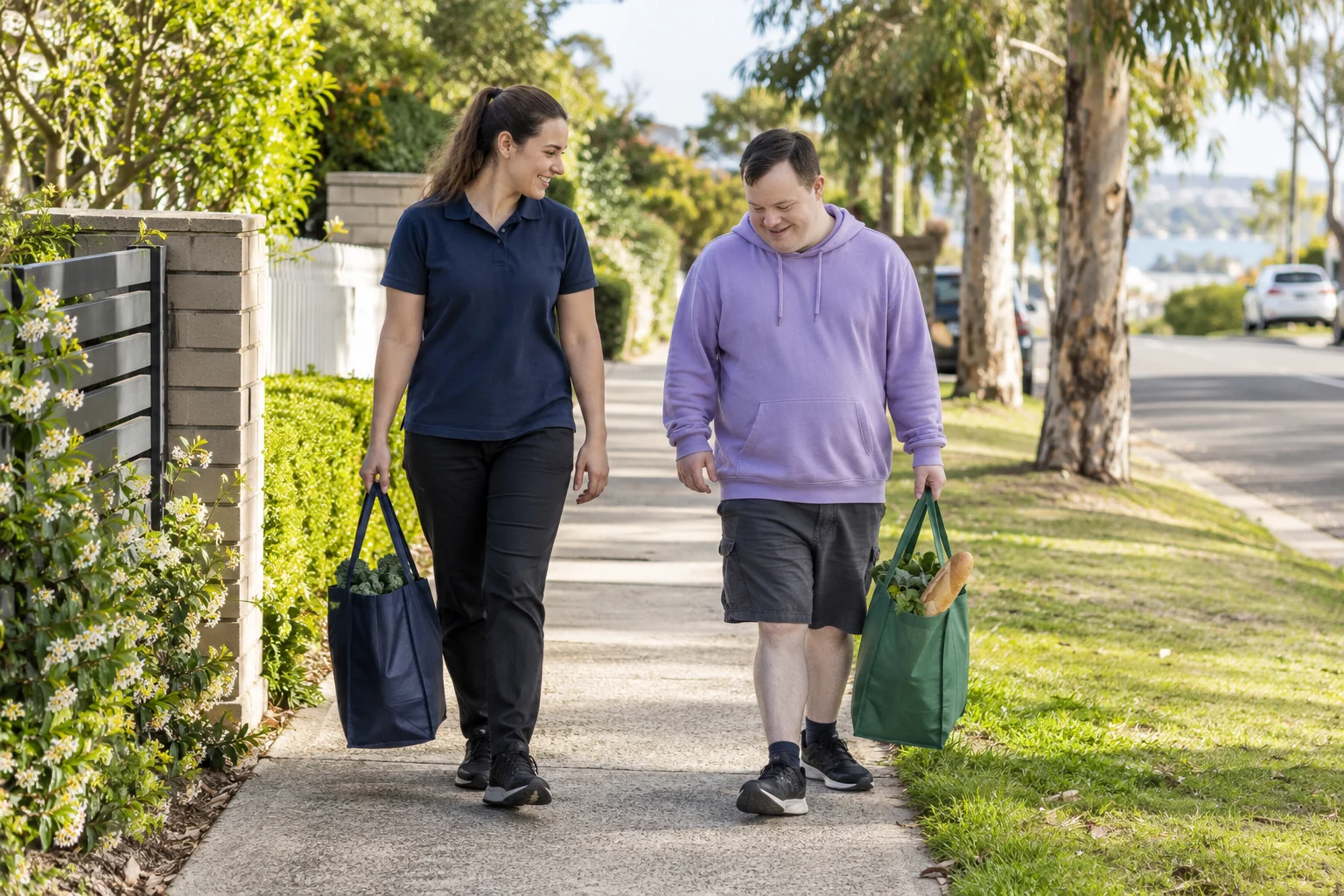
Support workers may assist participants with areas such as:

  • Personal care
  • Daily routines
  • Meal-related support
  • Household activities
  • Community access
  • Social participation
  • Life skills
  • Appointments
  • Mobility
  • Capacity building
  • Participant goals

The exact responsibilities depend on the participant's needs and the agreed service.

It Is Not Only About Experience

It Is Not Only About Experience

A strong support worker should be able to:

  • Listen
  • Communicate respectfully
  • Follow participant preferences
  • Maintain professional boundaries
  • Follow support plans
  • Work safely
  • Document relevant information
  • Recognise changes or concerns
  • Escalate when necessary
  • Support independence rather than creating unnecessary dependence

Participants should feel respected, not managed.

Additional Skills for Complex Support

Additional Skills for Complex Support

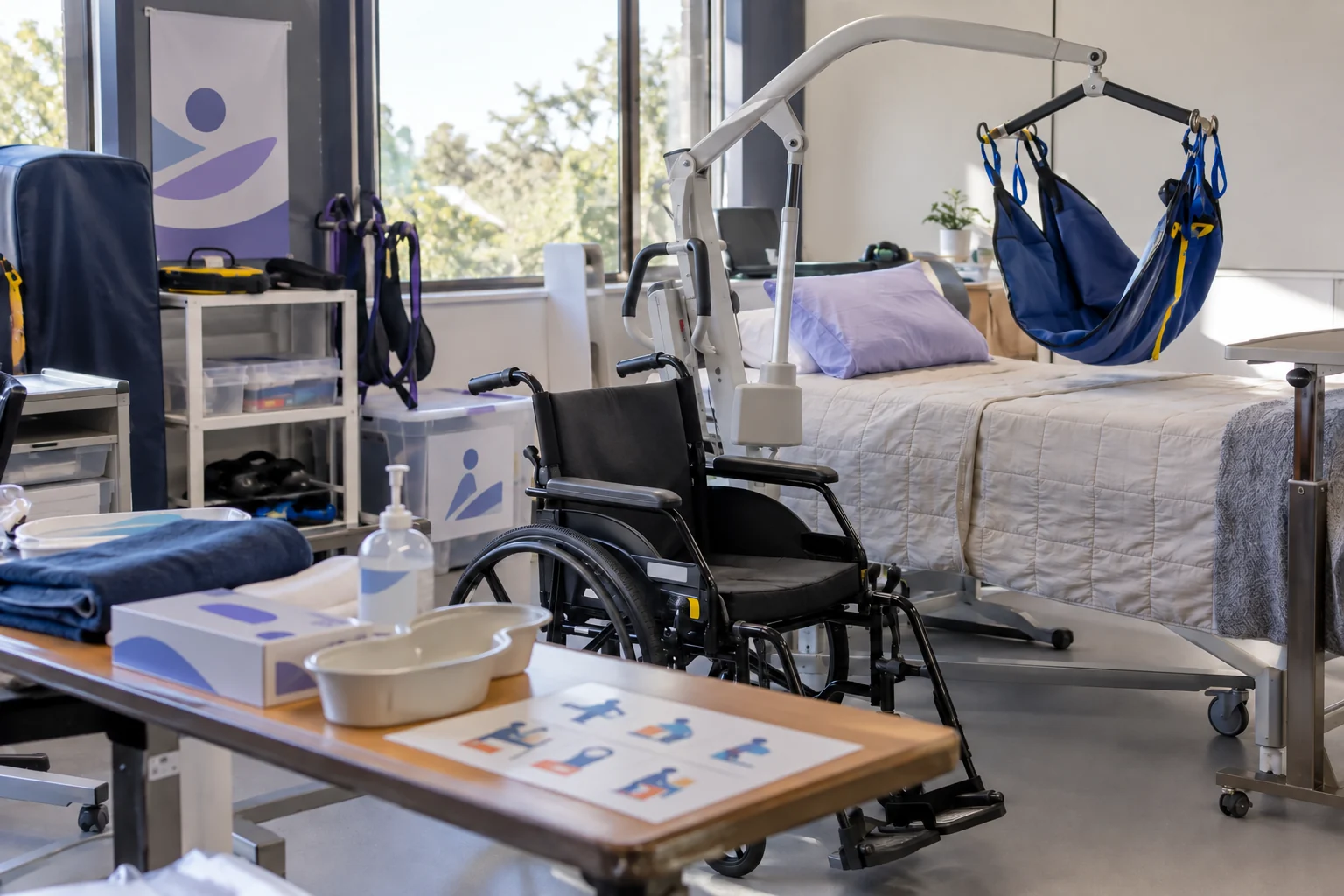
Some participants require High Intensity Daily Personal Activities.

These roles may involve additional requirements such as:

  • Participant-specific training
  • Clinical instructions
  • Competency assessment
  • Emergency procedures
  • Risk management
  • Equipment use
  • Ongoing review

Workers should only perform specialised tasks where relevant training, competency and service requirements have been satisfied.

Bring Clinical Skills Into Community Support

Bring Clinical Skills Into Community Support

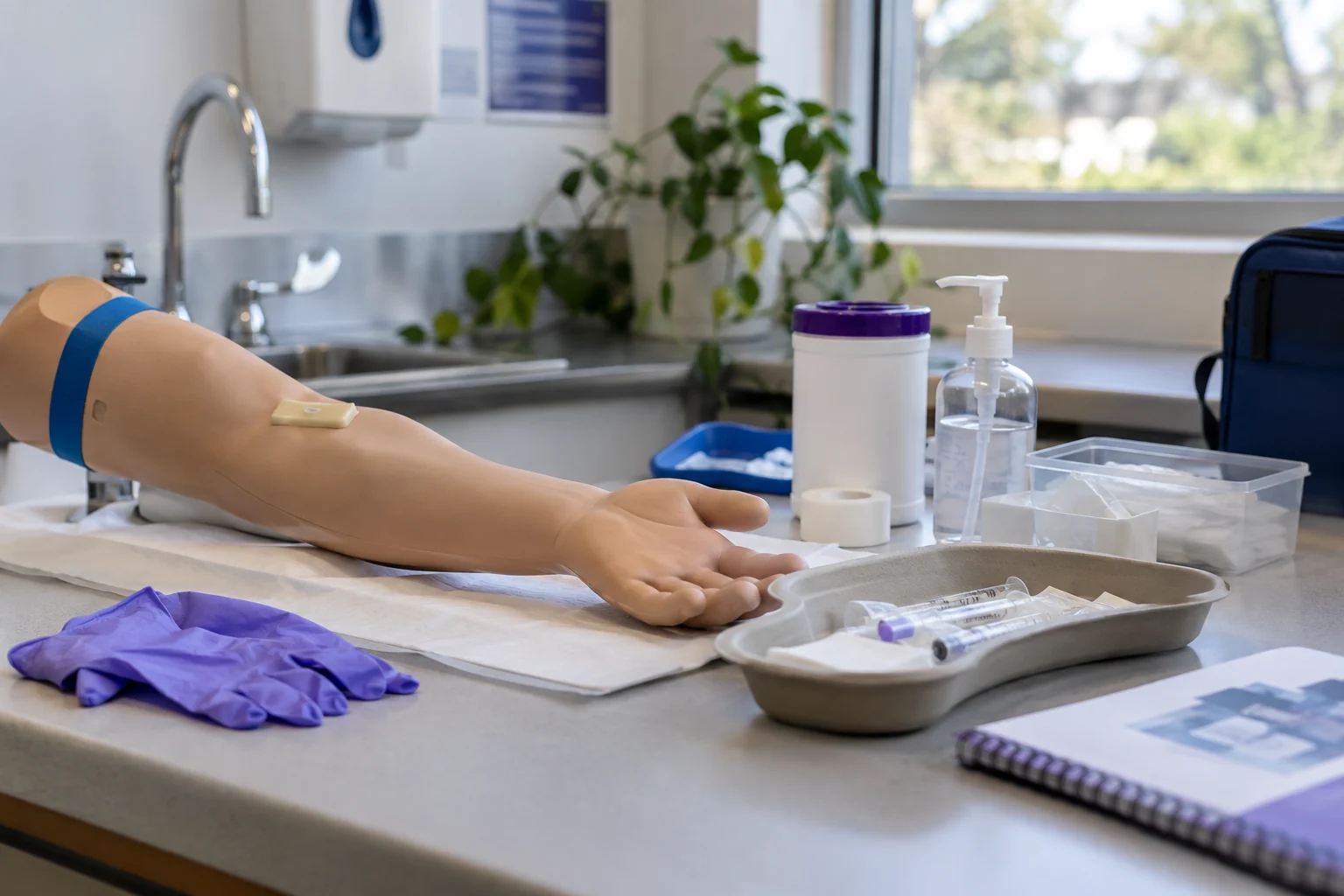
Community nursing roles may involve supporting participants with disability-related nursing needs in everyday environments.

Depending on the role, responsibilities may include:

  • Assessment
  • Care planning
  • Clinical monitoring
  • Participant education
  • Nursing procedures
  • Documentation
  • Risk management
  • Communication with relevant health professionals
  • Review of changing needs

Applicants must hold appropriate professional qualifications and meet role-specific requirements.

Supporting Functional Goals

Supporting Functional Goals

Depending on service demand and professional availability, opportunities may arise across disciplines such as:

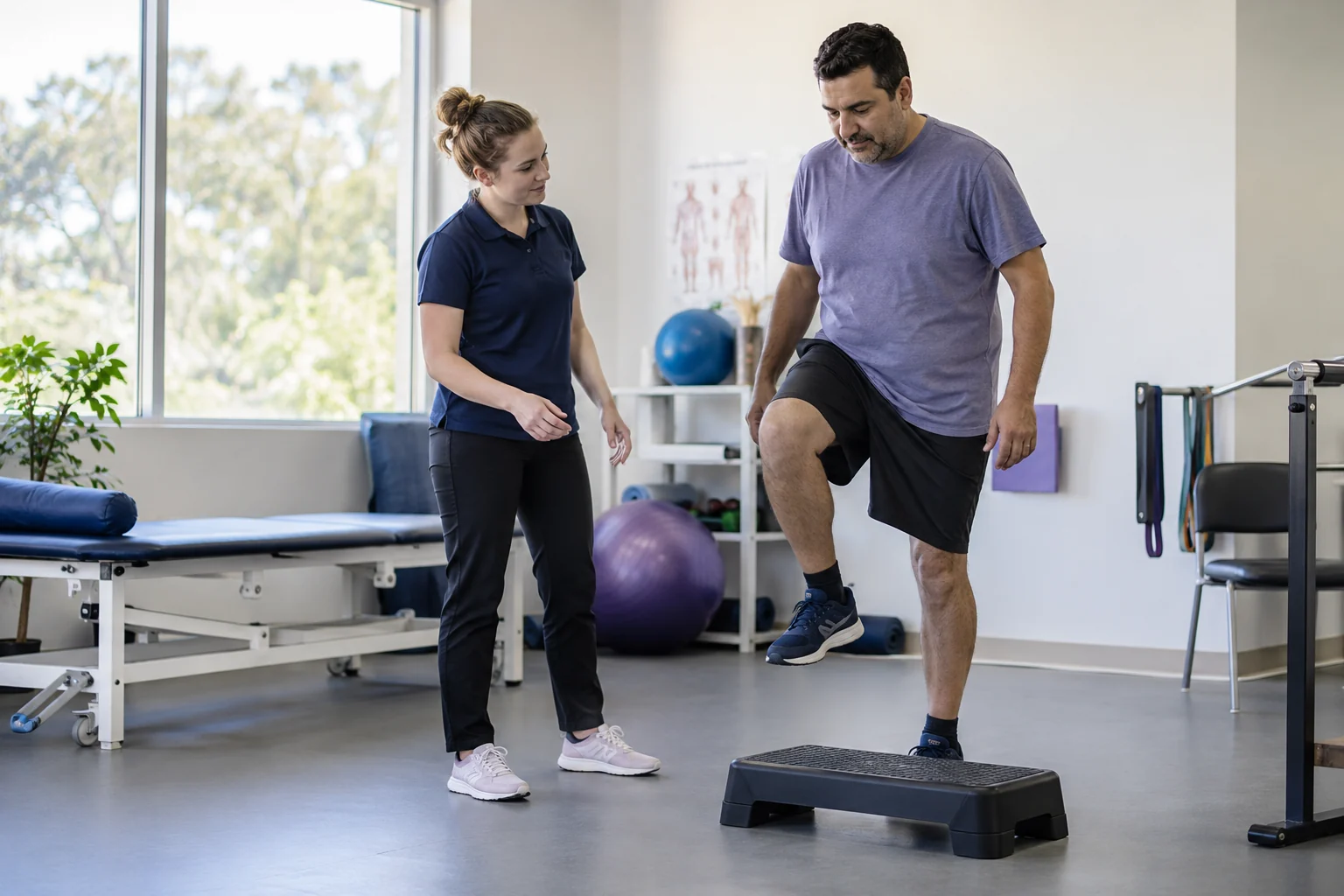
  • Occupational Therapy
  • Speech Pathology
  • Physiotherapy
  • Psychology
  • Dietetics
  • Social Work
  • Developmental Education
  • Counselling
  • Exercise Physiology
  • Other relevant therapeutic disciplines

Professional roles must be performed within the person's qualifications, professional scope and applicable requirements.

Help Participants Navigate Their Supports

Help Participants Navigate Their Supports

Support Coordination roles may involve helping participants:

  • Understand their NDIS plan
  • Connect with providers
  • Coordinate multiple supports
  • Address barriers
  • Prepare for changes
  • Strengthen informal and formal supports
  • Build confidence managing services
  • Prepare relevant information for plan discussions or reviews

Strong communication, organisation and participant-centred practice are important.

Work Alongside Children and Families

Work Alongside Children and Families

Early Childhood Supports may involve working with children and families around:

  • Communication
  • Play
  • Social development
  • Daily routines
  • Movement
  • Participation
  • Family capacity
  • Functional development

We value approaches that recognise the family's knowledge of their child and support participation in everyday environments.

Strong Services Need Strong Systems

Strong Services Need Strong Systems

Not every role is participant-facing.

Career opportunities may also arise in areas such as:

  • Administration
  • Rostering
  • Service coordination
  • Intake
  • Referrals
  • Human resources
  • Quality
  • Compliance
  • Finance
  • Plan Management
  • Customer service
  • Operations

These roles help participants and frontline teams receive clear, organised and responsive support.

Opportunities Across Australia

Opportunities Across Australia

National Disability Service Provider welcomes expressions of interest from suitable applicants across Australia.

Opportunities may vary depending on:

  • Participant demand
  • Service location
  • Workforce requirements
  • Professional availability
  • Role type

Our current physical offices are located in:

Service Addresses:

Victoria: 113/1510 Pascoe Vale, Coolaroo VIC 3048

South Australia: 97 Sir Donald Bradman Dr, Hilton SA 5033

Phone: 1800 896 599

Email: services@ndsprovider.com.au

Roles may also arise in other areas depending on service development and participant needs.

Different Roles Work in Different Ways

Different Roles Work in Different Ways

Depending on the position, work may involve:

  • Participant homes
  • Community settings
  • Supported living environments
  • Office-based work
  • Mobile community work
  • Clinical environments
  • Remote or hybrid work where suitable

The work arrangement depends on the role and service requirements.

Professional Standards Matter

Professional Standards Matter

Depending on the position, team members may be expected to:

  • Follow the NDIS Code of Conduct
  • Respect participant rights
  • Maintain privacy
  • Follow workplace policies and procedures
  • Complete required documentation
  • Report incidents and concerns
  • Maintain professional boundaries
  • Participate in training
  • Follow participant-specific plans
  • Work within their role and competence
  • Communicate professionally
  • Meet attendance and reliability expectations

Additional obligations may apply to particular professional or clinical roles.

Requirements Depend on the Role

Requirements Depend on the Role

Before commencing work, applicants may need to provide evidence relevant to the position.

Depending on the role, this may include:

  • Identity documents
  • Right to work in Australia
  • Relevant qualifications
  • Professional registration
  • NDIS Worker Screening clearance where required
  • Working with Children Check where relevant
  • Police checks where applicable
  • Driver licence
  • Vehicle information where relevant
  • First Aid
  • CPR
  • Professional insurance where applicable
  • References
  • Relevant training
  • Other role-specific evidence

Not every requirement applies to every role.

Our recruitment team will confirm the requirements for the particular position.

Some Roles Require NDIS Worker Screening

Some Roles Require NDIS Worker Screening

NDIS Worker Screening requirements may apply to workers engaged in particular risk-assessed roles and relevant key personnel.

Where a role requires a valid NDIS Worker Screening clearance, this will be identified during recruitment.

Applicants should provide accurate information about their current screening status.

Additional Screening May Apply

Additional Screening May Apply

Some roles may involve providing services to children.

Where applicable, Working with Children screening or other relevant requirements may apply.

Requirements depend on:

  • Role
  • Jurisdiction
  • Service type
  • Participant group

We will confirm applicable requirements during recruitment.

Professional Roles Require Appropriate Credentials

Professional Roles Require Appropriate Credentials

For regulated professions, applicants must hold appropriate current registration or credentials relevant to the role.

This may apply to positions such as:

  • Nursing
  • Psychology
  • Occupational Therapy
  • Physiotherapy
  • Other regulated professional roles

Applicants are responsible for maintaining applicable professional requirements.

Learning Continues After Recruitment

Learning Continues After Recruitment

Training needs vary depending on:

  • Role
  • Experience
  • Participant needs
  • Service type
  • Clinical requirements
  • Risk
  • Professional responsibilities

Training may include areas such as:

  • NDIS Code of Conduct
  • Participant rights
  • Privacy
  • Incident management
  • Complaints
  • Professional boundaries
  • Risk management
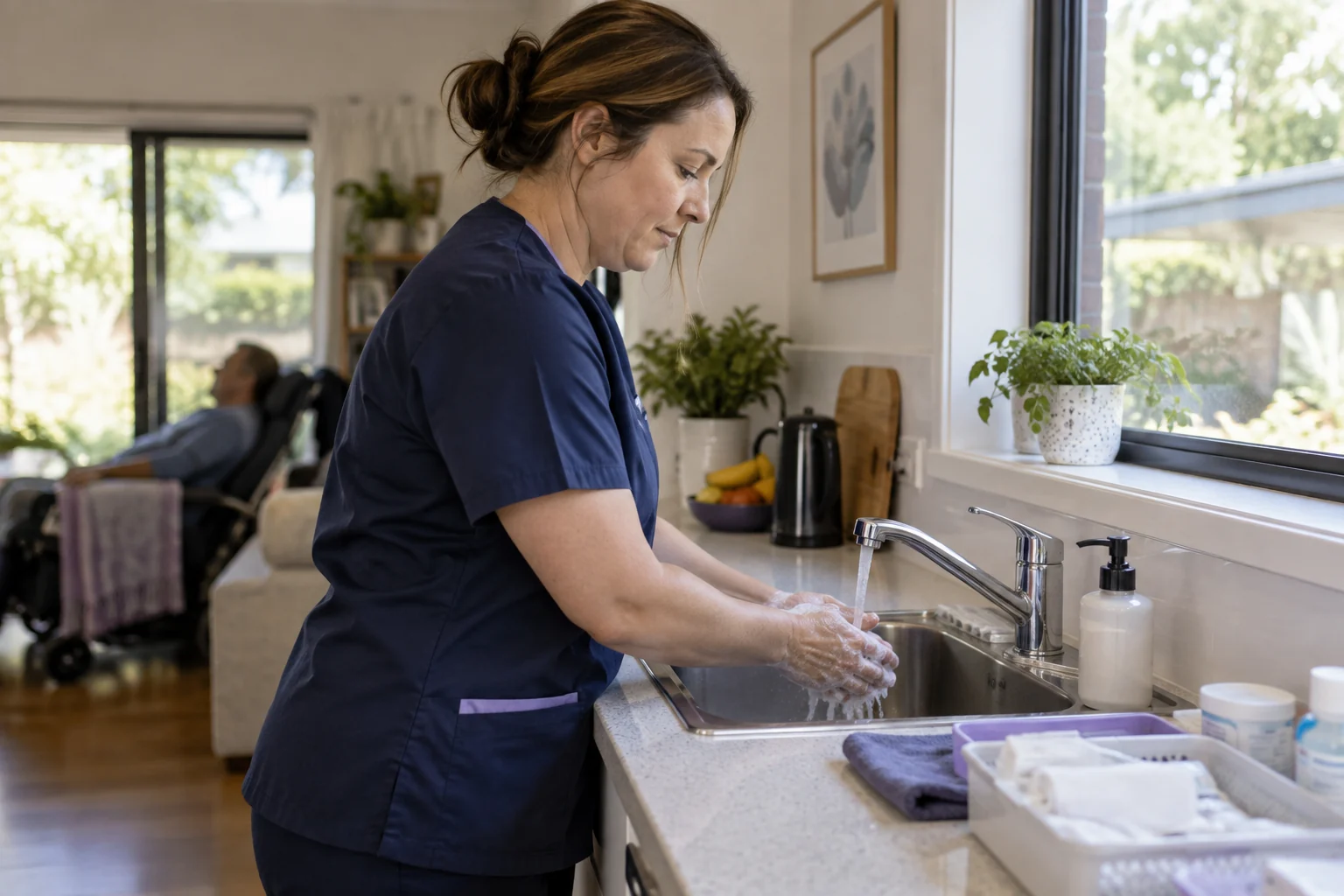
  • Infection prevention
  • Manual handling
  • Medication support
  • Behaviour support
  • High intensity supports
  • Participant-specific competencies

Ongoing learning helps support safer and more consistent practice.

Every Participant Is Different

Every Participant Is Different

General experience does not automatically prepare a worker for every participant.

Before delivering some supports, workers may need to understand:

  • Participant routines
  • Communication
  • Mobility
  • Equipment
  • Health needs
  • Behaviour support
  • Risk
  • Emergency procedures
  • Personal preferences

Where required, participant-specific competency must be established before a worker performs the relevant support.

Workers Need Support Too

Workers Need Support Too

Good service delivery requires more than placing someone into a role.

Depending on the position, workforce support may include:

  • Induction
  • Training
  • Supervision
  • Role guidance
  • Performance feedback
  • Escalation pathways
  • Access to relevant participant information
  • Clinical or professional support where applicable

Workers should know who to contact if they are unsure about a task or safety issue.

Trusted Support Requires Clear Boundaries

Trusted Support Requires Clear Boundaries

Workers must maintain appropriate boundaries with participants.

This includes understanding expectations regarding:

  • Money
  • Gifts
  • Social media
  • Personal relationships
  • Participant property
  • Confidential information
  • Personal contact
  • Conflicts of interest

Professional boundaries help protect both participants and workers.

Speak Up When Something Is Wrong

Speak Up When Something Is Wrong

Workers are expected to report relevant:

  • Incidents
  • Injuries
  • Safety concerns
  • Changes in participant condition
  • Medication issues
  • Behaviour-related concerns
  • Environmental hazards
  • Allegations of abuse or neglect
  • Other significant concerns

Concerns should not be ignored because they appear inconvenient or difficult.

Different People Bring Different Strengths

Different People Bring Different Strengths

We aim to foster a workplace that respects difference.

We value respectful engagement with people of different:

  • Cultures
  • Languages
  • Ages
  • Identities
  • Abilities
  • Family backgrounds
  • Professional experiences
  • Ways of communicating

People should be treated fairly and respectfully.

What to Expect

Step 1 - Application

Step 1 - Application

Submit your application or Expression of Interest.

Step 2 - Initial Review

Step 2 - Initial Review

We review your experience, qualifications and suitability.

Step 3 - Interview

Step 3 - Interview

Suitable applicants may be invited to an interview.

Step 4 - Checks

Step 4 - Checks

Relevant screening, qualifications, registration and references may be verified.

Step 5 - Role Suitability

Step 5 - Role Suitability

We consider whether the applicant is suitable for the role and current workforce needs.

Step 6 - Offer

Step 6 - Offer

Successful applicants may receive an employment or engagement offer.

Step 7 - Onboarding

Step 7 - Onboarding

Required induction, documentation and training are completed before commencing relevant duties.

Interested in Future Opportunities?

Interested in Future Opportunities?

Even if there is no current vacancy that matches your experience, you can submit an Expression of Interest.

Tell us:

  • Your professional background
  • Role you are interested in
  • Location
  • Availability
  • Relevant qualifications
  • Relevant experience

Submitting an Expression of Interest does not guarantee employment or future contact.

CAREERS FORM

Applicant Details

What role are you interested in?

Full-time

Part-time

Casual

Contract

Flexible

Your Information

Information submitted as part of a job application or Expression of Interest may be used for purposes such as:

  • Recruitment
  • Assessing suitability
  • Communicating with applicants
  • Verifying relevant credentials
  • Workforce planning
  • Meeting applicable employment and record-keeping obligations

Applicants should only provide information relevant to the application.

APPLICATION DECLARATION

Optional Talent Pool Consent

Employment Does Not Automatically Mean a Participant Match

Employment Does Not Automatically Mean a Participant Match

For participant-facing roles, recruitment into the organisation does not automatically mean that a worker is suitable for every participant.

Matching may consider:

  • Worker skills
  • Participant preferences
  • Experience
  • Training
  • Location
  • Availability
  • Communication
  • Cultural considerations
  • Support complexity

Additional participant-specific training may be required before commencing particular supports.

Placement Enquiries

Placement Enquiries

Where suitable opportunities and supervision capacity exist, we may consider enquiries relating to student or professional placements.

Availability depends on:

  • Discipline
  • Placement requirements
  • Supervision needs
  • Service capacity
  • Participant consent
  • Organisational suitability

Placement opportunities are not guaranteed.

Agency Enquiries

Agency Enquiries

Recruitment agencies should not submit candidate information without prior agreement from National Disability Service Provider.

Unsolicited candidate information may not be treated as an accepted agency referral.

For recruitment partnership enquiries, contact our team first.

Email: services@ndsprovider.com.au

Protect Your Personal Information

Job applicants should take care when responding to recruitment communications.

National Disability Service Provider should never require applicants to provide sensitive information through suspicious or unverified channels.

If you receive a message that appears unusual, contact us directly to confirm whether the communication is genuine.

Phone: 1800 896 599

Email: services@ndsprovider.com.au

Service Addresses

Service Addresses:

Victoria: 113/1510 Pascoe Vale, Coolaroo VIC 3048

South Australia: 97 Sir Donald Bradman Dr, Hilton SA 5033

Phone: 1800 896 599

Email: services@ndsprovider.com.au

FREQUENTLY ASKED CAREERS QUESTIONS

FREQUENTLY ASKED CAREERS QUESTIONS

It depends on the role. Some positions require specific disability sector experience, qualifications or professional credentials. Other roles may consider transferable experience. The job advertisement should identify essential requirements.

Some roles require NDIS Worker Screening clearance. Requirements depend on the position and duties. We will confirm screening requirements during recruitment.

Some positions may require one depending on the role, jurisdiction and participant group.

Some community-based roles may require a valid driver licence. Check the individual job advertisement.

Casual, part-time, full-time or other arrangements may be available depending on current workforce needs.

Yes. We may consider applications or Expressions of Interest from other locations depending on participant demand and available opportunities.

Yes, where your experience and qualifications are relevant. Clearly indicate the roles you are interested in.

Yes. You can register your interest for future opportunities. This does not guarantee future employment or contact.

Yes. We welcome Expressions of Interest from appropriately qualified professionals relevant to our Therapeutic Supports and other services. Actual opportunities depend on service needs and current capacity.

Training requirements depend on the role. Workers may receive induction, mandatory training and participant-specific training where relevant. Applicants must still meet essential qualifications or professional requirements for positions where these are required.


Ready to Take the Next Step?

Ready to Take the Next Step?

If you are passionate about respectful, participant-centred disability support, we would like to hear from you.

Explore current vacancies or submit an Expression of Interest.

Phone: 1800 896 599

Email: services@ndsprovider.com.au