Therapeutic Supports

Therapy Focused on Everyday Function, Independence and Participation

The right therapeutic support can help you build skills, maintain abilities and participate more confidently in everyday life.

Therapeutic Supports

National Disability Service Provider provides NDIS Therapeutic Supports delivered by appropriately qualified professionals, with services centred around your functional needs, goals and daily life.

Depending on your individual needs and practitioner availability, therapeutic support may involve assessment, intervention, recommendations, training and ongoing review.

Therapeutic Supports enquiries welcome Australia-wide.

Phone: 1800 896 599

Functional Goals. Professional Support. Greater Independence.

Therapeutic support designed around the life you want to live.

Therapy That Connects With Real Life

Therapy should have a purpose beyond the appointment itself.

For one participant, the goal may be communicating more confidently. For another, it may be moving safely around the home, developing daily living skills, managing sensory needs or becoming more independent in the community.

Our therapeutic approach focuses on functional outcomes that matter in everyday life.

Depending on your needs, therapy may help you:

  • Build skills
  • Maintain existing abilities
  • Increase independence
  • Improve participation
  • Develop communication
  • Improve mobility and movement
  • Build daily living skills
  • Strengthen social participation
  • Develop practical strategies
  • Identify appropriate assistive technology
  • Support family members or carers to understand useful strategies

Your goals remain at the centre of the support.

Therapy That Connects With Real Life

Allied Health Support for Functional Goals

NDIS Therapeutic Supports are supports provided by appropriately qualified professionals to help eligible participants improve or maintain their ability to complete everyday activities.

Therapy may focus on functional areas such as:

  • Communication
  • Mobility
  • Personal care
  • Daily living
  • Social interaction
  • Relationships
  • Decision-making
  • Problem-solving
  • Community access
  • Emotional and psychosocial functioning
  • Participation at home
  • Participation at school or work
  • Independence

The specific therapy provided depends on your disability-related needs, NDIS funding, goals and the professional discipline required.

Develop Skills and Greater Independence

Some therapeutic supports focus on building your capacity.

This means helping you develop new skills or become more independent in areas of everyday life.

Capacity-building therapy may help you:

  • Learn new strategies
  • Develop functional skills
  • Improve communication
  • Become more independent with daily activities
  • Build confidence
  • Improve community participation
  • Strengthen problem-solving
  • Develop movement or mobility skills
  • Learn to use assistive technology
  • Develop more effective routines

Goals and outcomes should be meaningful, measurable and connected to everyday life.

Helping You Maintain Important Abilities

Not every therapy goal is about developing a completely new skill.

For some participants, the goal may be maintaining existing functional ability or reducing the risk of losing important skills.

Maintenance therapy may focus on areas such as:

  • Movement
  • Positioning
  • Mobility
  • Communication
  • Daily living
  • Functional routines
  • Participation
  • Maintaining independence

The appropriate therapeutic approach depends on individual clinical assessment and professional judgment.

Understanding Your Functional Needs

Assessment helps a practitioner understand:

  • Your strengths
  • Current abilities
  • Functional limitations
  • Daily routines
  • Environment
  • Support needs
  • Risks
  • Participant goals
  • Equipment currently used
  • Existing strategies
  • Barriers to participation

Depending on the discipline, assessment may involve:

  • Discussion
  • Observation
  • Functional tasks
  • Standardised assessment tools
  • Review of existing reports
  • Environmental assessment
  • Communication assessment
  • Mobility assessment
  • Daily living assessment

The assessment process should be relevant to the participant's actual needs.

Understanding How Disability Affects Everyday Life

Therapeutic assessment may help identify how disability affects everyday activities.

This can include areas such as:

  • Personal care
  • Meal preparation
  • Household activities
  • Communication
  • Mobility
  • Community access
  • Social interaction
  • Decision-making
  • Organisation
  • Learning
  • Work or education participation
  • Home and living needs

Where appropriate, a qualified practitioner may provide functional information or recommendations relevant to the participant's support needs.

Start With What You Want to Achieve

Therapeutic support should connect with meaningful goals.

Instead of only saying: "Improve mobility."

A functional goal may be: "Move more safely around the home and participate more independently in everyday routines."

Instead of only saying: "Improve communication."

A functional goal may be: "Communicate choices and needs more effectively with family, support workers and community members."

Instead of only saying: "Improve daily living skills."

A functional goal may be: "Complete more parts of the morning routine with less assistance."

Clear goals make it easier to understand the purpose of therapy and monitor progress.

Supporting Everyday Function and Independence

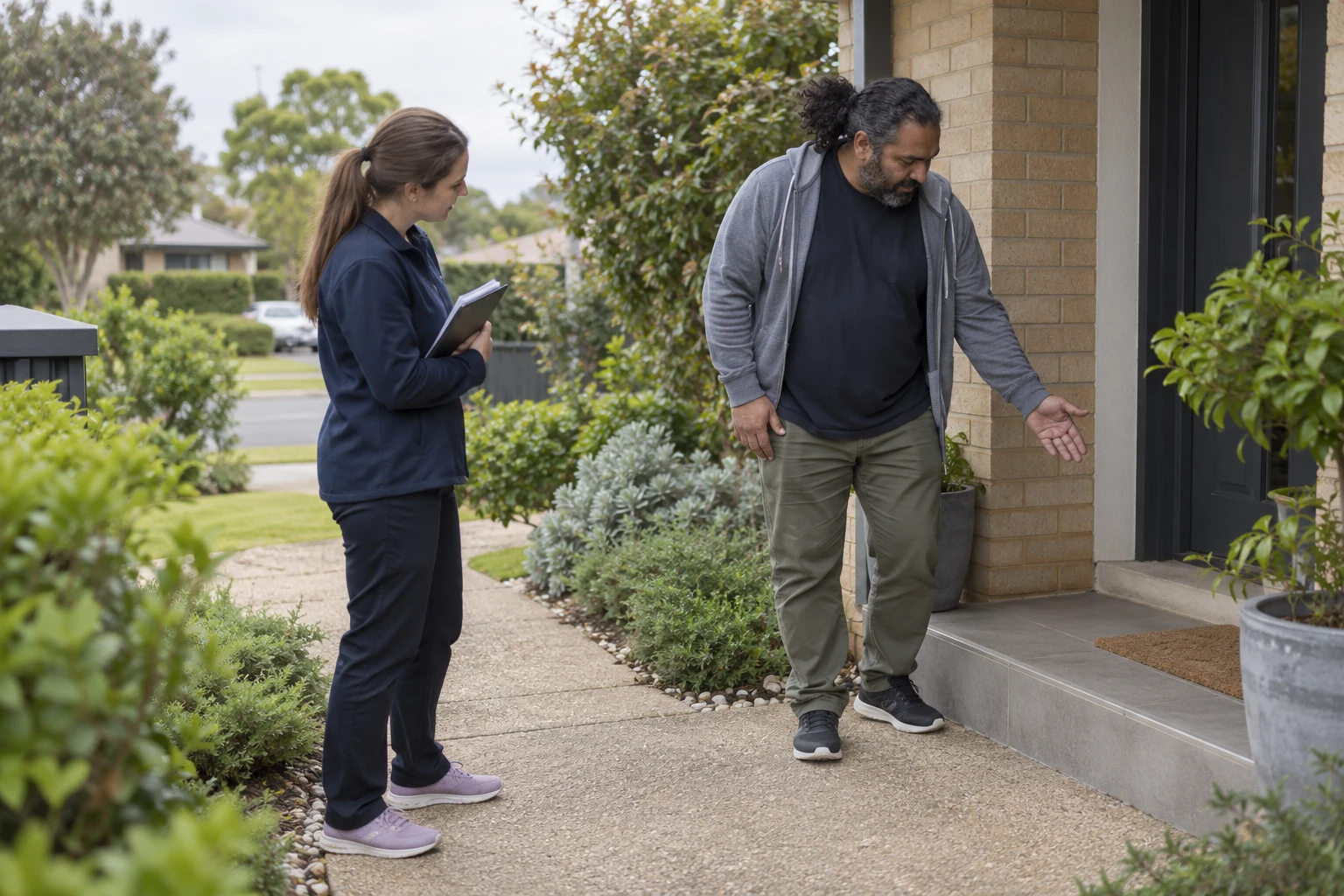
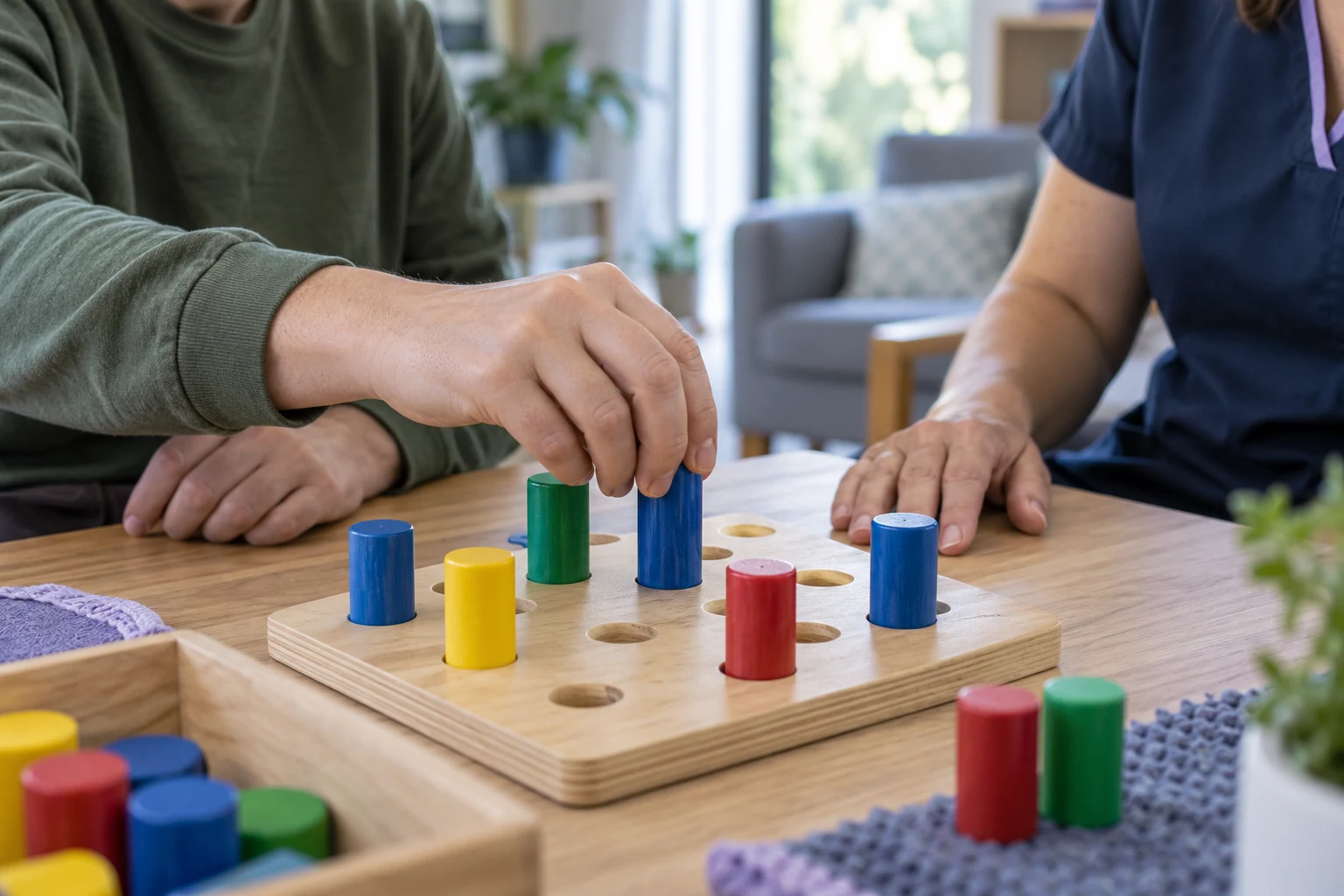
Where Occupational Therapy is available within our workforce and appropriate to the participant's needs, an Occupational Therapist may support functional areas such as:

  • Daily living activities
  • Personal care
  • Household tasks
  • Community participation
  • Sensory needs
  • Routines
  • Functional capacity
  • Home environments
  • Assistive technology
  • Equipment
  • Independence
  • Participation

Occupational Therapy focuses on helping people participate more effectively in the activities that matter in everyday life.

Availability must be confirmed with our team.

Communication and Participation

Where Speech Pathology is available and clinically appropriate, support may focus on areas such as:

  • Speech
  • Language
  • Communication
  • Social communication
  • Understanding information
  • Expressing needs
  • Alternative and augmentative communication
  • Mealtime or swallowing-related needs where within professional scope

Speech Pathology support should be based on assessment and individual functional goals.

Availability must be confirmed with our team.

Movement, Mobility and Physical Function

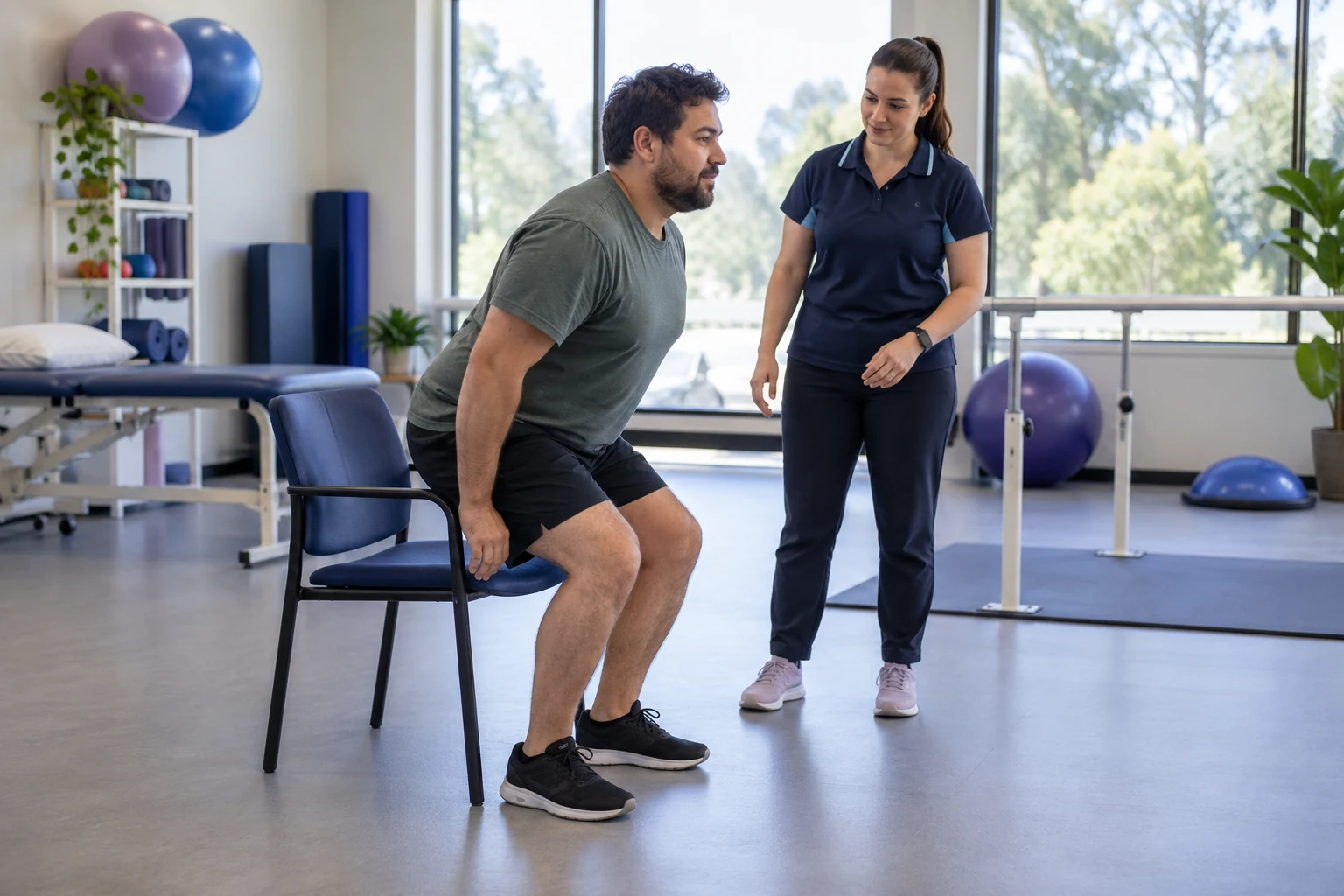
Where Physiotherapy is available within our service scope, physiotherapy may support participants with disability-related needs involving:

  • Movement
  • Mobility
  • Balance
  • Strength
  • Functional transfers
  • Positioning
  • Walking
  • Physical participation
  • Movement strategies
  • Maintaining functional ability

The exact intervention depends on clinical assessment and professional scope.

Availability must be confirmed with our team.

Functional Support for Everyday Participation

Depending on participant needs, NDIS funding and practitioner availability, psychology or eligible counselling-related therapeutic supports may focus on disability-related functional outcomes such as:

  • Emotional regulation
  • Coping strategies
  • Social participation
  • Interpersonal functioning
  • Decision-making
  • Problem-solving
  • Confidence
  • Everyday routines
  • Participation in community, education or work

NDIS therapy is not intended to replace treatment that is more appropriately provided by the mainstream mental health or health system.

Available disciplines must be confirmed with our team.

Disability-Related Nutrition Support

Disability-Related Nutrition Support

Where Dietetic support is available and relevant to the participant's disability-related needs, a qualified Dietitian may provide:

  • Nutrition assessment
  • Individual advice
  • Disability-related dietary planning
  • Strategies supporting safe and appropriate nutrition
  • Education for participants or support networks
  • Recommendations relating to functional nutrition needs

NDIS-funded dietetic support must relate to disability-related support needs rather than ordinary general health care.

Availability must be confirmed with our team.

Support Depends on Professional Availability

NDIS Therapeutic Supports can include a range of qualified allied health and therapeutic professions.

Depending on participant needs and current workforce availability, enquiries may relate to disciplines such as:

  • Occupational Therapy
  • Speech Pathology
  • Physiotherapy
  • Psychology
  • Dietetics
  • Social Work
  • Developmental Education
  • Counselling
  • Exercise Physiology
  • Podiatry
  • Audiology
  • Music Therapy
  • Art Therapy
  • Rehabilitation or vocational counselling
  • Other recognised therapeutic professions

Not every discipline is necessarily available through National Disability Service Provider at every location or at all times.

Please contact our team to confirm current professional availability.

Finding Equipment That Supports Function

Therapeutic professionals may sometimes be involved in assessing or recommending assistive technology.

Depending on professional scope and participant needs, this may involve:

  • Functional assessment
  • Identifying barriers
  • Considering equipment options
  • Product recommendations
  • Product trials
  • Equipment setup
  • Training
  • Review
  • Supporting evidence
  • Reports

The level of professional input required depends on the complexity and risk of the assistive technology.

Support Where Skills Are Actually Used

Support Where Skills Are Actually Used

Therapeutic support may be more meaningful when strategies connect with everyday environments.

Depending on participant needs and service arrangements, support may occur in settings such as:

  • Home
  • Community
  • Early learning environments
  • School-related settings where appropriate
  • Supported living environments
  • Other suitable locations

Practising strategies in real environments can help participants and their support networks understand how therapy recommendations apply to everyday life.

Understanding Your Own Support

Therapy may include education and training to help participants better understand:

  • Strategies
  • Equipment
  • Exercises or programs
  • Communication approaches
  • Routines
  • Safety considerations
  • Functional techniques
  • Self-management approaches

The aim is to help participants use useful strategies beyond the therapy session.

Consistency Around the Participant

With participant consent and where clinically appropriate, therapeutic practitioners may provide guidance or training to:

  • Family members
  • Carers
  • Support workers
  • SIL teams
  • Other relevant support people

This can help important people understand:

  • Participant-specific strategies
  • Communication methods
  • Positioning
  • Equipment use
  • Functional routines
  • Skill-building approaches
  • Relevant safety considerations

Training should remain within the professional's scope and relate to the participant's assessed needs.

Collaborative Therapy

Participants may have several professionals or services involved in their support.

With appropriate consent, therapists may collaborate with:

  • General practitioners
  • Medical specialists
  • Other allied health professionals
  • Support Coordinators
  • Plan Managers
  • Community nurses
  • Support workers
  • SIL providers
  • Families
  • Carers
  • Early childhood professionals
  • Education providers
  • Other relevant professionals

Collaboration can help reduce conflicting approaches and improve continuity.

Clear Information About Functional Needs

Depending on the service provided, a therapeutic practitioner may prepare documentation such as:

  • Assessment reports
  • Progress reports
  • Therapy plans
  • Functional recommendations
  • Assistive technology recommendations
  • Supporting evidence
  • Review reports
  • Outcome summaries

The type of report required depends on:

  • Participant goals
  • NDIS requirements
  • Professional assessment
  • Funding purpose
  • Referrer requirements

Report preparation should be discussed before the service begins.

Therapy Should Have a Clear Purpose

NDIS therapy should support disability-related functional outcomes.

Therapeutic support should not be described as therapy simply because an activity feels helpful.

An appropriate service should consider:

  • Evidence
  • Professional standards
  • Participant goals
  • Functional outcomes
  • Safety
  • Professional scope
  • Progress
  • Whether the support remains appropriate

Where a proposed therapy does not have an adequate evidence base for the intended disability-related functional outcome, it may not meet NDIS funding requirements.

Understanding NDIS and Mainstream Health Responsibilities

NDIS-funded Therapeutic Supports do not replace healthcare that is ordinarily the responsibility of Australia's mainstream health system.

This may include:

  • Emergency medical care
  • Acute hospital treatment
  • General medical treatment
  • GP services
  • Medical specialist treatment
  • Treatment of ordinary illness or injury
  • Other healthcare that is not disability-related

Therapeutic Supports under the NDIS must relate to the participant's disability and applicable funding criteria.

For emergencies, contact emergency services.

How Are They Different?

These services may work together but have different structures.

Early Childhood Supports

Early Childhood Supports use a family-centred, developmental approach focused on young children and participation across everyday routines and environments.

Therapeutic Supports

Therapeutic Supports are delivered within the professional scope of appropriately qualified therapeutic practitioners and may involve discipline-specific assessment or intervention.

Children may transition from team-based early childhood supports to individual therapeutic supports as their circumstances and NDIS plan change.

Therapy and Practical Skill Development

Therapeutic Supports and Development of Daily Living & Life Skills may sometimes contribute to similar participant goals but in different ways.

Therapeutic Supports

May involve professional assessment, clinical reasoning, recommendations and therapeutic intervention.

Life Skills Support

Generally focuses on practising practical everyday skills through direct capacity-building support.

For example: An Occupational Therapist may assess why meal preparation is difficult and recommend strategies or equipment.

A Life Skills worker may then support the participant to practise those strategies during everyday meal preparation.

Where appropriate, services can work together.

You Are More Than an Assessment

Good therapy starts with understanding the participant as a whole person.

Your Goals

What do you want to be able to do?

Your Strengths

What already works well?

Your Environment

Where do you live, work, study or participate?

Your Routines

What does everyday life look like?

Your Preferences

How do you want support to be provided?

Your Communication

How do you prefer information to be shared?

Your Culture

Are there cultural or personal factors that should be considered?

Your Support Network

Who is involved in your life?

Your Priorities

What would make the biggest practical difference right now?

Therapy should connect with what matters to you.

Therapy Should Evolve With Your Needs

Therapeutic support should be reviewed over time.

A review may consider:

  • Progress towards goals
  • Changes in function
  • New skills
  • Changes in independence
  • New barriers
  • Changes in environment
  • Whether strategies remain effective
  • Whether equipment remains suitable
  • Whether therapy frequency should change
  • Whether goals should be updated
  • Whether therapy remains necessary

Therapy should not continue automatically without considering whether it remains useful and appropriate.

Professional Support With Everyday Purpose

Person-Centred

Your goals and functional needs guide the service.

Evidence-Informed

Therapeutic support should be based on professional standards and appropriate evidence.

Functional

Therapy focuses on outcomes that matter in everyday life.

Capacity-Building

Where appropriate, we help you develop greater independence.

Collaborative

With consent, practitioners can work with your broader support team.

Goal-Focused

Support is connected to clear goals and outcomes.

Safe

Practitioners work within professional scope and relevant requirements.

Respectful

Your dignity, privacy, culture and choices are respected.

Transparent

We explain the purpose of therapy, recommendations and next steps.

Is Therapy Relevant to Your Goals?

Therapeutic Supports may be suitable for eligible NDIS participants who:

  • Have disability-related functional limitations
  • Want to improve daily living skills
  • Need support with communication
  • Need support with mobility
  • Need assistance maintaining functional ability
  • Have difficulty participating in home or community activities
  • Need functional assessment
  • Require assistive technology assessment or recommendations
  • Need professional strategies to increase independence
  • Require therapy-related training
  • Need disability-related therapeutic intervention
  • Have NDIS funding for Therapeutic Supports

The exact support depends on participant needs, NDIS funding, clinical assessment and practitioner availability.

Referring a Participant for Therapeutic Supports?

We welcome enquiries from:

  • Participants
  • Families
  • Carers
  • Support Coordinators
  • Early Childhood Partners
  • Medical professionals
  • Allied health professionals
  • Support providers
  • Other authorised referrers

Helpful referral information may include:

  • Participant details
  • Location
  • NDIS plan information
  • Requested discipline
  • Participant goals
  • Functional concerns
  • Current supports
  • Existing allied health involvement
  • Relevant diagnoses
  • Previous assessments
  • Existing reports
  • Assistive technology currently used
  • Communication requirements
  • Mobility requirements
  • Relevant risks
  • Preferred service arrangements
  • Desired commencement date

Providing relevant information helps us determine whether an appropriate practitioner is available.

Starting Therapeutic Support

Step 1 - Contact Us

Step 1 - Contact Us

Call 1800 896 599, email services@ndsprovider.com.au, or complete our online referral form.

Step 2 - Tell Us What Support You Are Looking For

Step 2 - Tell Us What Support You Are Looking For

We discuss the participant's goals, functional needs and requested professional discipline.

Step 3 - Confirm Practitioner Availability

Step 3 - Confirm Practitioner Availability

We determine whether an appropriate qualified professional is available for the required service.

Step 4 - Review Funding & Information

Step 4 - Review Funding & Information

We review relevant NDIS funding and available assessments, reports or supporting information.

Step 5 - Assessment

Step 5 - Assessment

Where required, the practitioner completes an appropriate assessment.

Step 6 - Develop Recommendations or Therapy Goals

Step 6 - Develop Recommendations or Therapy Goals

The practitioner discusses findings, priorities and appropriate next steps.

Step 7 - Therapy Begins

Step 7 - Therapy Begins

Therapeutic support is provided according to the agreed service arrangement.

Step 8 - Review Progress

Step 8 - Review Progress

Goals, intervention and service frequency can be reviewed as needs and circumstances change.

Therapeutic Supports Across Australia

National Disability Service Provider welcomes Therapeutic Supports enquiries Australia-wide.

We can consider referrals from:

  • Victoria
  • New South Wales
  • Queensland
  • South Australia
  • Western Australia
  • Tasmania
  • Australian Capital Territory
  • Northern Territory

Actual service availability depends on:

  • Participant location
  • Required professional discipline
  • NDIS funding
  • Practitioner availability
  • Assessment requirements
  • Complexity of support
  • Preferred service model
  • Our ability to appropriately meet the participant's needs

Some services may be available in person, remotely or through other appropriate arrangements depending on professional suitability and current service capacity.

Contact our team to confirm current availability.

Therapeutic Supports FAQs

Therapeutic Supports are disability-related allied health and therapeutic services designed to help eligible participants improve or maintain functional skills, independence and participation.

Therapy supports must be delivered by appropriately qualified professionals who meet the relevant registration or professional accreditation requirements.

Depending on participant needs and practitioner availability, enquiries may involve Occupational Therapy, Speech Pathology, Physiotherapy, Psychology, Dietetics, Social Work, Developmental Education, Counselling or other recognised therapeutic disciplines. Please contact us to confirm current availability.

Occupational Therapy enquiries are welcome. Actual availability depends on location and practitioner capacity.

Speech Pathology enquiries are welcome, subject to practitioner availability and service scope.

Physiotherapy enquiries may be considered depending on practitioner availability and participant location.

Functional assessment may fall within the scope of an appropriately qualified practitioner. Please contact our team with the specific assessment required so we can confirm availability.

Where appropriate and within professional scope, qualified practitioners may assess functional needs and recommend relevant assistive technology.

Yes, with participant consent and where clinically appropriate, therapists may provide participant-specific education or guidance to support workers.

Depending on the service provided and practitioner scope, reports may be prepared following appropriate assessment. Report requirements and fees should be discussed before the service begins.

No. NDIS Therapeutic Supports focus on disability-related functional outcomes. Medical treatment and ordinary healthcare generally remain the responsibility of the mainstream health system.

No. Therapy must meet applicable NDIS funding criteria and have appropriate evidence for the intended disability-related functional outcome.

Yes, depending on age, needs and NDIS plan. Children under the Early Childhood Approach may also receive Early Childhood Supports.

Depending on the discipline, participant needs, practitioner availability and clinical suitability, therapy may sometimes be delivered in the participant's home or another appropriate environment.

We welcome enquiries from across Australia. Actual availability depends on location, required discipline and availability of suitably qualified practitioners.

Call 1800 896 599, email services@ndsprovider.com.au, or complete our online referral form.

Our services are available Australia-wide, with physical offices currently located in Victoria and South Australia.

Service Addresses:

Victoria: 113/1510 Pascoe Vale, Coolaroo VIC 3048

South Australia: 97 Sir Donald Bradman Dr, Hilton SA 5033

Phone: 1800 896 599

Email: services@ndsprovider.com.au

Australia-Wide Enquiries

Therapy With Everyday Life at the Centre

The right therapeutic support can help you build skills, maintain important abilities and participate more confidently in everyday life.

Talk to our team about your goals and the type of therapeutic professional you are looking for.

We welcome participant and professional referrals Australia-wide.

Email: services@ndsprovider.com.au