
How We Support You

Clear Steps. Personalised Support. You at the Centre.

Starting with a new NDIS provider should feel clear and straightforward.

How We Support You

At National Disability Service Provider, we take the time to understand your goals, support needs, preferences and everyday life before services begin.

From your first enquiry through to ongoing support and review, we aim to make each step easy to understand and centred around you.

Support enquiries welcome Australia-wide.

Phone: 1800 896 599

Clear Steps. Support That Fits Your Life.

From your first conversation to ongoing support, you remain at the centre.

From First Contact to Ongoing Support

From First Contact to Ongoing Support
Step 1 - Tell Us What You Need

Step 1 - Tell Us What You Need

Contact our team or submit a referral.

Step 2 - We Review Your Referral

Step 2 - We Review Your Referral

We review the information provided and determine whether we may be able to meet your needs.

Step 3 - We Learn About You

Step 3 - We Learn About You

We discuss your goals, routines, preferences and support requirements.

Step 4 - Confirm the Right Support

Step 4 - Confirm the Right Support

We identify the service, workers or professionals required.

Step 5 - Agree on the Service

Step 5 - Agree on the Service

We clearly document the support arrangements, responsibilities and costs.

Step 6 - Match Your Support

Step 6 - Match Your Support

Where relevant, we identify suitable workers or professionals.

Step 7 - Your Support Begins

Step 7 - Your Support Begins

Services commence according to the agreed arrangements.

Step 8 - Review & Adjust

Step 8 - Review & Adjust

We stay in communication and review support as your needs or goals change.

Start With a Conversation

Start With a Conversation

You do not need to understand every NDIS service name before contacting us.

You can simply tell us:

  • What support you are looking for
  • What is currently difficult
  • What you would like to achieve
  • Where you live
  • When you would like support
  • Whether you already have NDIS funding
  • Who is currently involved in your support

You can contact us yourself or ask an authorised person to contact us on your behalf.

Referrals may come from:

  • Participants
  • Families
  • Carers
  • Nominees
  • Support Coordinators
  • Early Childhood Partners
  • Allied health professionals
  • Medical professionals
  • Hospitals
  • Community organisations
  • Other authorised referrers
Making Sure We Can Support You Properly

Making Sure We Can Support You Properly

Once we receive your enquiry or referral, our team reviews the information provided.

We may consider:

  • The service requested
  • Your location
  • Your NDIS funding
  • Your support needs
  • Preferred days and times
  • Required support ratio
  • Communication needs
  • Relevant health needs
  • Relevant risks
  • Worker skills required
  • Professional qualifications required
  • Current workforce availability
  • Whether we can safely and appropriately provide the service

For more complex supports, we may need additional information before confirming service availability.

Only What We Need to Understand Your Support

Only What We Need to Understand Your Support

Depending on the service, we may ask for relevant information such as:

  • NDIS plan details
  • Support goals
  • Current support arrangements
  • Health information relevant to the service
  • Medication information where relevant
  • Behaviour or safety information
  • Mobility information
  • Communication requirements
  • Clinical plans
  • Allied health reports
  • Functional assessments
  • Risk assessments
  • Hospital discharge information
  • Relevant care plans

You do not need to provide information that is unrelated to the service.

Information should only be shared with appropriate consent or authority.
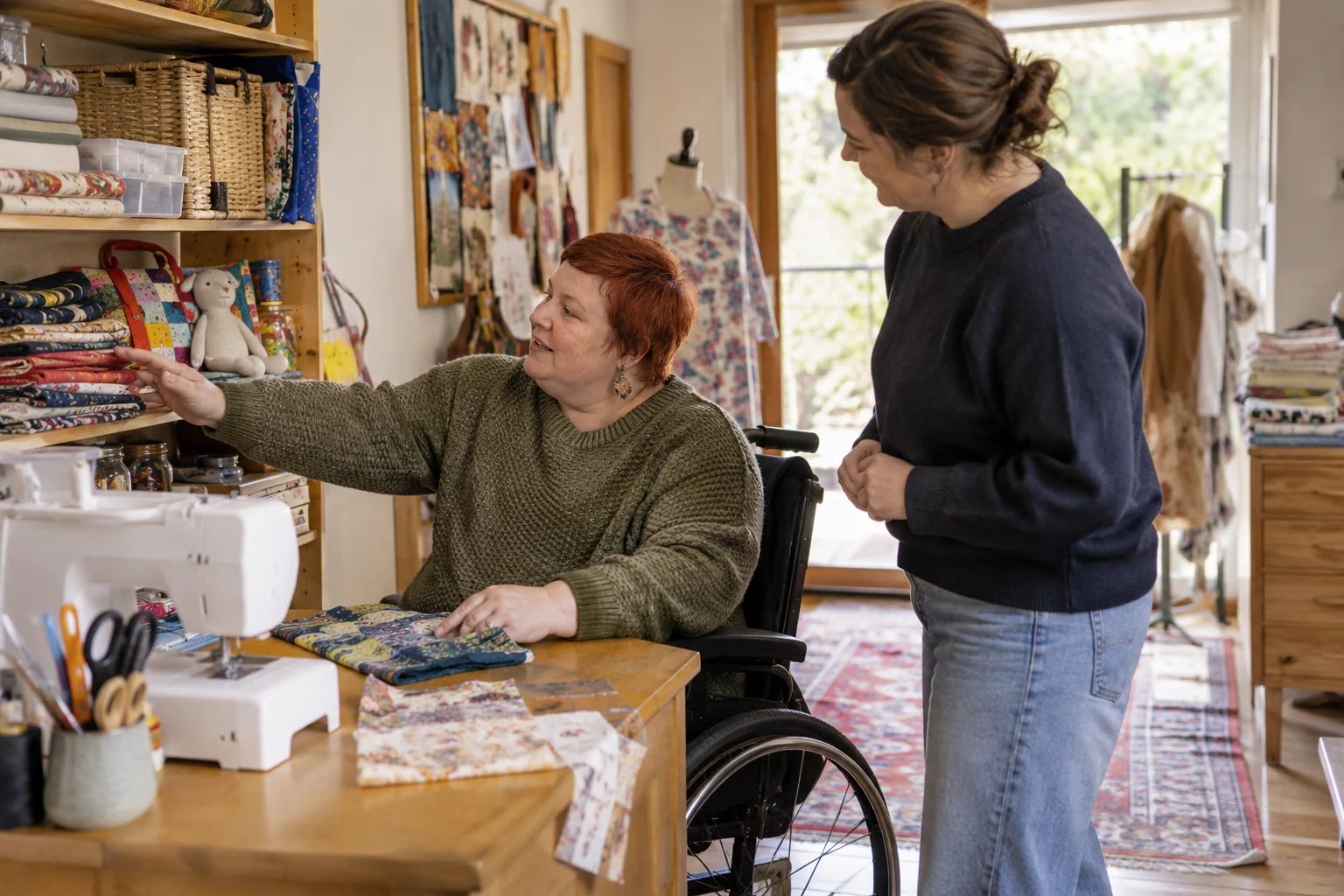
Support Starts With Understanding the Person

Support Starts With Understanding the Person

Before deciding how support should be provided, we want to understand more than your diagnosis or funding category.

Your Goals

What would you like to achieve?

Your Strengths

What can you already do independently?

Your Routine

What does a normal day look like?

Your Preferences

How do you like support to be provided?

Your Communication

How do you prefer to communicate?

Your Culture & Identity

Are there cultural, religious or personal preferences we should understand?

Your Relationships

Who are the important people in your life?

Your Environment

Where will support take place?

Your Current Supports

What services are already involved?

Your Priorities

What matters most right now?

This helps us understand how the service can fit into your life.

Tell Us How You Prefer to Communicate

Tell Us How You Prefer to Communicate

Clear communication is important.

You may prefer to communicate:

  • Face to face
  • By phone
  • By email
  • Through video call
  • Through a family member or authorised representative
  • Using communication aids
  • Using pictures or visual information
  • Through another preferred communication method

Where reasonably possible, we aim to communicate in a way that works for you.

If you need information explained differently, tell us.

Matching the Service to Your Needs

Matching the Service to Your Needs

Once we understand your requirements, we identify which of our services may be appropriate.

This may involve one service or several services.

For example, you may need:

  • Support Coordination
  • Plan Management
  • Daily Personal Activities
  • Supported Independent Living
  • Community Participation
  • Life Skills
  • Community Nursing
  • Therapeutic Supports
  • Early Childhood Supports
  • Household Tasks
  • Other registered services we provide

Not every participant requires every service.

We will only discuss services relevant to your needs, NDIS funding and goals.

Some Supports Need More Detailed Assessment

Some Supports Need More Detailed Assessment

Certain services require additional assessment before they can begin safely.

This may apply to:

  • Community Nursing Care
  • High Intensity Daily Personal Activities
  • Therapeutic Supports
  • Early Childhood Supports
  • Assistive technology
  • Complex support arrangements
  • Supported Independent Living
  • Other higher-risk supports

Assessment may consider:

  • Functional needs
  • Clinical requirements
  • Risks
  • Environment
  • Equipment
  • Staffing
  • Participant-specific plans
  • Professional recommendations
  • Training requirements

The type of assessment depends on the service.

Planning Support Safely

Planning Support Safely

Before some services begin, we may need to understand relevant risks.

This can include:

  • Mobility
  • Falls
  • Manual handling
  • Medication
  • Health conditions
  • Allergies
  • Communication
  • Behaviour-related risks
  • Community access
  • Transport
  • Home environment
  • Equipment
  • Emergency procedures
  • Other participant-specific considerations

Risk planning should not unnecessarily restrict your independence.

The purpose is to understand how support can be provided as safely as reasonably possible while respecting your choice and dignity.

Making Sure Everyone Understands the Arrangement

Making Sure Everyone Understands the Arrangement

Before regular services begin, we generally document the agreed support arrangements in a Service Agreement.

The agreement may include:

  • Services being provided
  • Where support will be provided
  • When support will be provided
  • Service frequency
  • Pricing
  • Payment arrangements
  • Provider travel where applicable
  • Cancellation arrangements
  • Responsibilities
  • Communication
  • How concerns can be raised
  • How services can be changed
  • How the agreement can be ended
  • Review arrangements

We encourage you to read the agreement carefully and ask questions before agreeing.

You can involve someone you trust, such as a family member, nominee or Support Coordinator.

Ask Questions Before You Agree

Ask Questions Before You Agree

You should understand the services you are agreeing to receive.

We encourage you to ask questions such as:

  • What exactly will the service include?
  • Who will provide the support?
  • How often will support happen?
  • What will it cost?
  • Will there be travel charges?
  • What happens if I need to cancel?
  • How can I change my support?
  • Who do I contact if something is wrong?
  • How will my information be used?
  • When will the service be reviewed?

If something is unclear, ask us to explain it.

Finding the Right Worker or Professional

Finding the Right Worker or Professional

For services involving direct support, the right match matters.

Depending on the service, we may consider:

  • Required skills
  • Qualifications
  • Experience
  • Gender preference where relevant
  • Language
  • Cultural considerations
  • Communication style
  • Personality compatibility
  • Availability
  • Location
  • Participant-specific training
  • Clinical competency
  • Support complexity

Not every preference can always be guaranteed, but we aim to consider what is important to you.
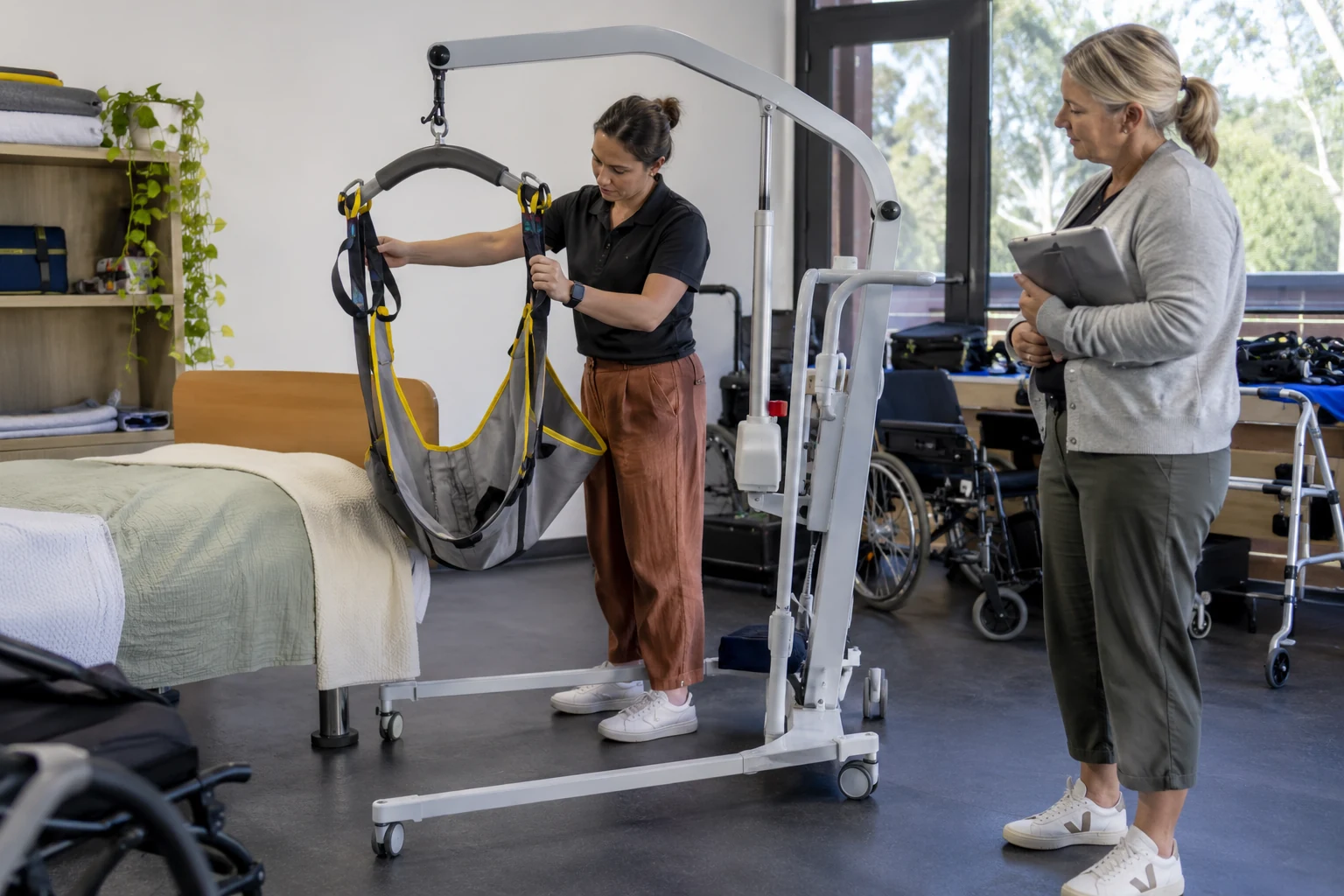
The Right Skills for the Right Support

The Right Skills for the Right Support

Some participants require workers or professionals with additional knowledge, qualifications or competency.

This may include:

  • High Intensity Daily Personal Activities
  • Community Nursing Care
  • Clinical supports
  • Therapeutic Supports
  • Complex mobility support
  • Participant-specific health procedures
  • Assistive technology
  • Other specialised support

Where required, appropriate training, professional qualifications or participant-specific competency must be considered before support begins.

Putting the Plan Into Practice

Putting the Plan Into Practice

Once arrangements are confirmed, your service can begin.

Your support should reflect the agreed:

  • Goals
  • Schedule
  • Tasks
  • Support level
  • Preferences
  • Communication approach
  • Care or support plans
  • Safety requirements
  • Service Agreement

We want you to understand what to expect from the beginning.

If something does not feel right, tell us.

Getting to Know Each Other

Getting to Know Each Other

It can take time to become comfortable with a new provider or worker.

During the early stages of support, we encourage you to tell us:

  • What is working well
  • What feels uncomfortable
  • What could be improved
  • Whether the worker is a good match
  • Whether the schedule works
  • Whether your preferences are being respected
  • Whether the support is helping you work towards your goals

Feedback early in the relationship can help improve the service.

Support Should Change When Your Needs Change

Support Should Change When Your Needs Change

Your goals, routines and circumstances may change over time.

We may review support when:

  • Your needs change
  • Your health changes
  • Your living arrangements change
  • You receive a new NDIS plan
  • Your goals change
  • A new risk is identified
  • Your schedule changes
  • You need more or less support
  • A professional makes new recommendations
  • You request a review

Support should not remain unchanged simply because that is how it has always been provided.

Support Should Help You Move Towards Your Goals

Support Should Help You Move Towards Your Goals

Where appropriate, our goal is not simply to provide more support forever.

Some services may focus on helping you develop skills and confidence so you can do more for yourself.

This may involve:

  • Fewer prompts
  • Greater decision-making
  • Learning everyday skills
  • Becoming more confident in the community
  • Managing routines more independently
  • Developing communication
  • Building natural support networks
  • Learning to manage parts of your NDIS supports

Progress looks different for every participant.

Coordinated Support Around You

Coordinated Support Around You

With your consent, we can communicate with relevant people involved in your support.

This may include:

  • Family
  • Carers
  • Nominees
  • Support Coordinators
  • Plan Managers
  • Allied health professionals
  • Community nurses
  • Medical professionals
  • Early childhood professionals
  • SIL teams
  • Other providers

Collaboration can help reduce confusion and improve consistency.

You remain at the centre of decisions about your support.

Tell Us

Tell Us

Good support requires honest communication.

You can tell us if:

  • A worker is not the right match
  • Your schedule is not working
  • You are unhappy with the quality of support
  • Your needs have changed
  • You do not understand a charge
  • You have a concern about safety
  • You feel your choices are not being respected
  • You want to change part of your service
  • You want to make a complaint

Raising a concern should not negatively affect your right to receive safe and respectful support.
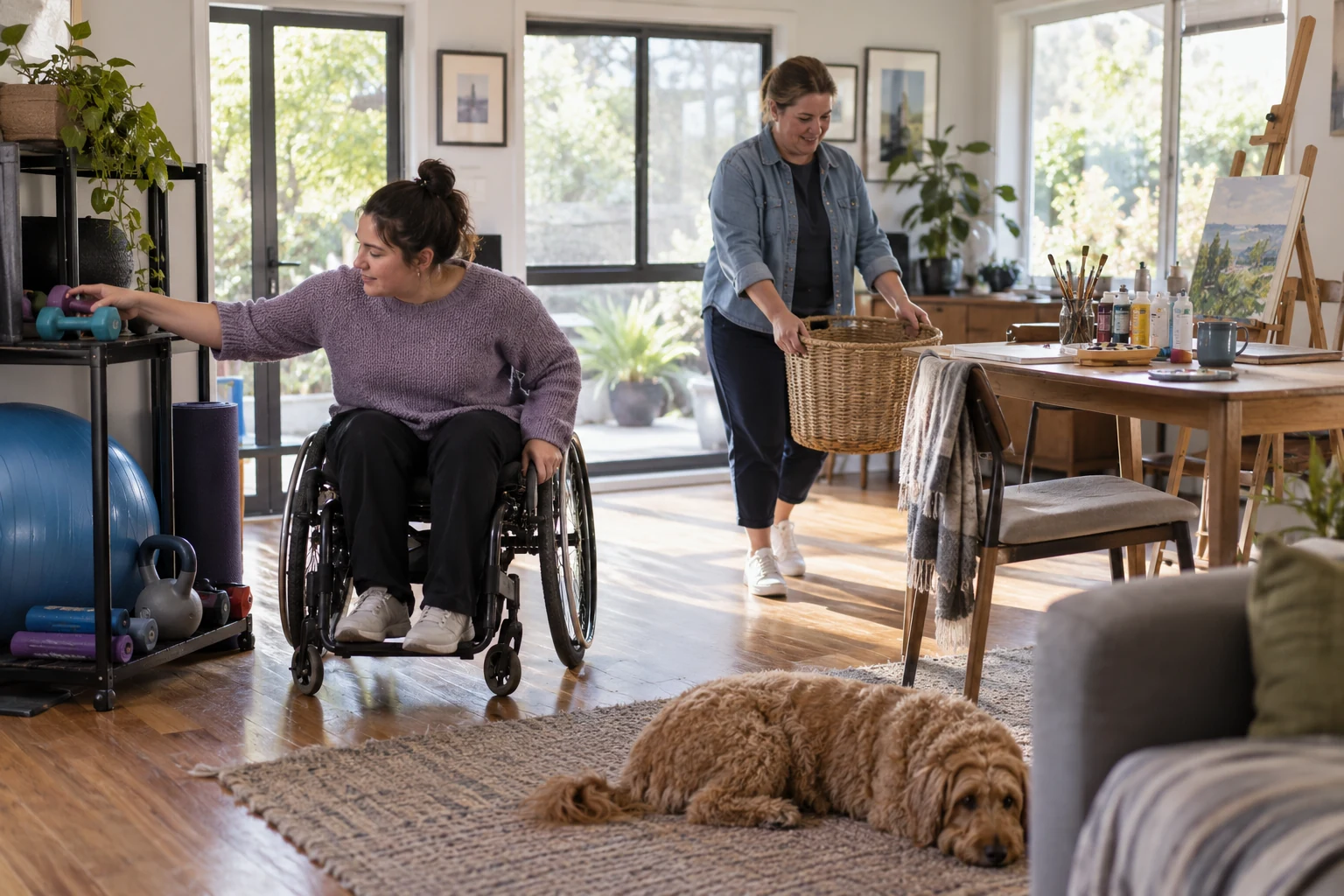
Your Needs Are Allowed to Change

Your Needs Are Allowed to Change

Support arrangements can change.

Depending on your circumstances and Service Agreement, this may include changing:

  • Days
  • Times
  • Frequency
  • Support goals
  • Workers
  • Activities
  • Service type
  • Communication arrangements
  • People involved in your support

Some changes may require updated documentation, reassessment or funding review.

Talk to our team if you want something to change.

You Have a Say in Your Support

You Have a Say in Your Support

NDIS participants have choice about the providers they work with and the supports they purchase within their plan and funding arrangements.

Our role is to provide information and support your decision-making.

You should feel able to:

  • Ask questions
  • Express preferences
  • Say no
  • Request changes
  • Raise concerns
  • Involve someone you trust
  • Review your service arrangements
  • Consider another provider if you choose

You are not required to stay with a provider simply because you started receiving services from them.

Your Information Should Be Handled Respectfully

Your Information Should Be Handled Respectfully

Providing support may require us to collect personal and disability-related information.

We should only collect information relevant to the services we provide.

Where appropriate, you should understand:

  • What information is being collected
  • Why it is needed
  • Who may have access to it
  • When information may be shared
  • Who you have authorised us to communicate with
  • How you can update your preferences

Consent and privacy remain important throughout your service.
Safe Support Sometimes Means Saying We Cannot Proceed

Safe Support Sometimes Means Saying We Cannot Proceed

There may be situations where we are unable to accept or continue a referral.

This could include circumstances where:

  • We do not have the required workforce
  • A suitably qualified professional is unavailable
  • We cannot safely meet the participant's needs
  • The requested service is outside our registration or professional scope
  • Required information is unavailable
  • Funding does not cover the requested support
  • The service requested is more appropriately provided by another system or specialist provider

If this happens, we aim to explain the reason clearly.

Where appropriate, we may suggest discussing alternative options with your Support Coordinator, NDIS contact or relevant professional.

Supporting Participants Across Australia

Supporting Participants Across Australia

National Disability Service Provider welcomes enquiries from:

  • Victoria
  • New South Wales
  • Queensland
  • South Australia
  • Western Australia
  • Tasmania
  • Australian Capital Territory
  • Northern Territory

Actual service availability depends on:

  • Location
  • Service required
  • Participant needs
  • Complexity
  • Funding
  • Workforce availability
  • Required qualifications
  • Preferred schedule
  • Our ability to safely meet the participant's needs
A Clear Referral Process

A Clear Referral Process

If you are referring a participant, providing relevant information can help us assess the referral more efficiently.

Helpful information may include:

  • Participant details
  • Contact information
  • Location
  • NDIS plan details
  • Requested service
  • Participant goals
  • Support requirements
  • Preferred schedule
  • Required support ratio
  • Communication needs
  • Relevant risks
  • Clinical information where required
  • Existing care plans
  • Relevant professional reports
  • Current providers
  • Desired commencement date

For urgent or complex referrals, please clearly identify relevant timeframes and support requirements.

Start the Conversation

Start the Conversation

Phone

1800 896 599

Email

services@ndsprovider.com.au

Online

Complete our online referral or contact form.

Service Addresses

Service Addresses:

Victoria: 113/1510 Pascoe Vale, Coolaroo VIC 3048

South Australia: 97 Sir Donald Bradman Dr, Hilton SA 5033

Phone: 1800 896 599

Email: services@ndsprovider.com.au

Australia-Wide Enquiries

Your Support Journey

  1. Enquiry
  2. Referral Review
  3. Getting to Know You
  4. Support Planning
  5. Service Agreement
  6. Matching
  7. Support Begins
  8. Ongoing Review
Ready to Talk About Your Support?

Ready to Talk About Your Support?

You do not need to have everything figured out before contacting us.

Tell us what support you are looking for, what matters to you and what you would like to achieve.

We can explain our services, discuss availability and help you understand the next steps.

Phone: 1800 896 599

Email: services@ndsprovider.com.au